
NEW YORK — The opening exchange in HBO’s first teaser for JAY-Z IN 8, released Thursday, runs less than a minute. Rick Rubin says the pain is what made the work possible. Shawn Carter, who has been making work for thirty years, responds that this is not quite how he sees it. You do not say the pain is necessary, he says. You do not invite it. But when it arrives, you use it.
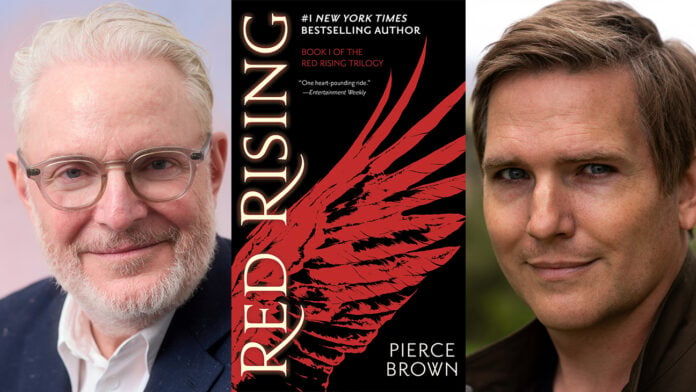
That brief exchange is all HBO has shared publicly about the eight-part documentary series the network announced Thursday morning, the same day Reasonable Doubt, Jay-Z’s debut album, turned 30. The series, described as a candid and intimate conversation years in the making, will debut on HBO this fall, with no specific premiere date attached. It is a Tetragrammaton production, executive-produced by Carter, Daniel Kaluuya, and Rubin. As Variety reported, Rubin will both direct the series and appear as Jay-Z’s primary interlocutor across all eight episodes.
Rubin’s approach is one most viewers will recognize from McCartney 3,2,1, the six-part Hulu series from 2021 that stripped the documentary format down to a chair, a guitar, and sustained conversation. No archival footage used as wallpaper. No former collaborators offering framing. Just the artist and the producer, working through the material together. That series earned Rubin a directing Emmy and McCartney a platform for reflections he had never committed to on record. The question the JAY-Z IN 8 format carries is whether what worked for McCartney, an artist whose public record was largely settled by 2021, holds for a subject whose public record contains considerably more unresolved terrain.
The two have shared studio space before, and not just in a supervisory capacity. Rubin produced “99 Problems” for The Black Album in 2003, the record Jay-Z declared at the time would be his last, before returning, as he always does, with more. That session is one of the cleaner examples of what each understands about the other’s working method: Rubin removes everything that does not belong; Jay-Z fills what remains. The conversation Rubin is directing for HBO is, in a formal sense, that same collaboration moved from the recording console to the interview chair. Rolling Stone reported that the project has been in development for several years before Thursday’s announcement.
The production team includes Leila Mattimore and David Rohde as producers alongside the three executive producers. Daniel Kaluuya’s role is the announcement’s least explained element. The Oscar-winning actor and producer, whose 59% production company has expanded significantly since Get Out and Judas and the Black Messiah, has no obvious prior professional relationship with Carter’s catalog. His crediting suggests a business arrangement rather than creative editorial involvement, though HBO’s announcement does not elaborate. Within a hip-hop industry already watching the documentary genre closely in the aftermath of 50 Cent’s docuseries on Sean Combs, Kaluuya’s name adds a different kind of weight to the project: prestige production credibility from outside the genre.
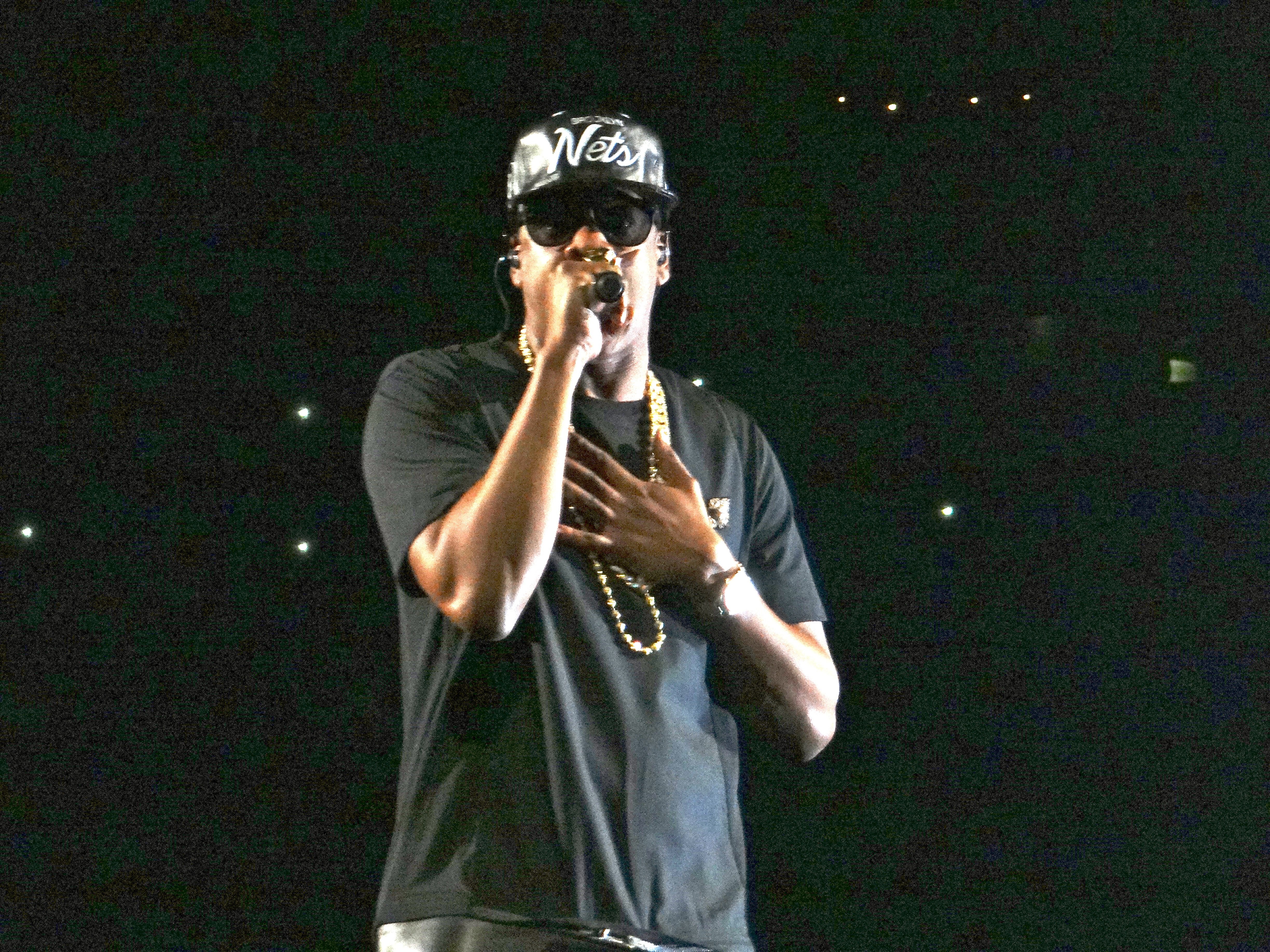
The documentary’s Thursday announcement arrives inside a year Jay-Z has deliberately framed as retrospective. Yankee Stadium will host two shows on July 10 and 11, one marking the 30th anniversary of Reasonable Doubt and one for The Blueprint’s 25th, with a third date added after the first two sold out. Free pop-up activations for the Reasonable Doubt anniversary launched Thursday morning across lower Manhattan and Brooklyn’s Dumbo neighborhood. Jay-Z returned to the stage at the Roots Picnic last month for his first live performance with the Roots in over a decade. Each of these moves points in the same direction: the 2026 Jay-Z project is an act of cataloguing, of deciding what the work means before moving toward whatever comes next. Drake’s Iceman has now occupied the Billboard 200’s top spot for three consecutive weeks, making the comparison between hip-hop’s two most commercially dominant figures of the era unavoidable. Where Drake is still competing chart-week by chart-week, Jay-Z in 2026 is choosing something else.
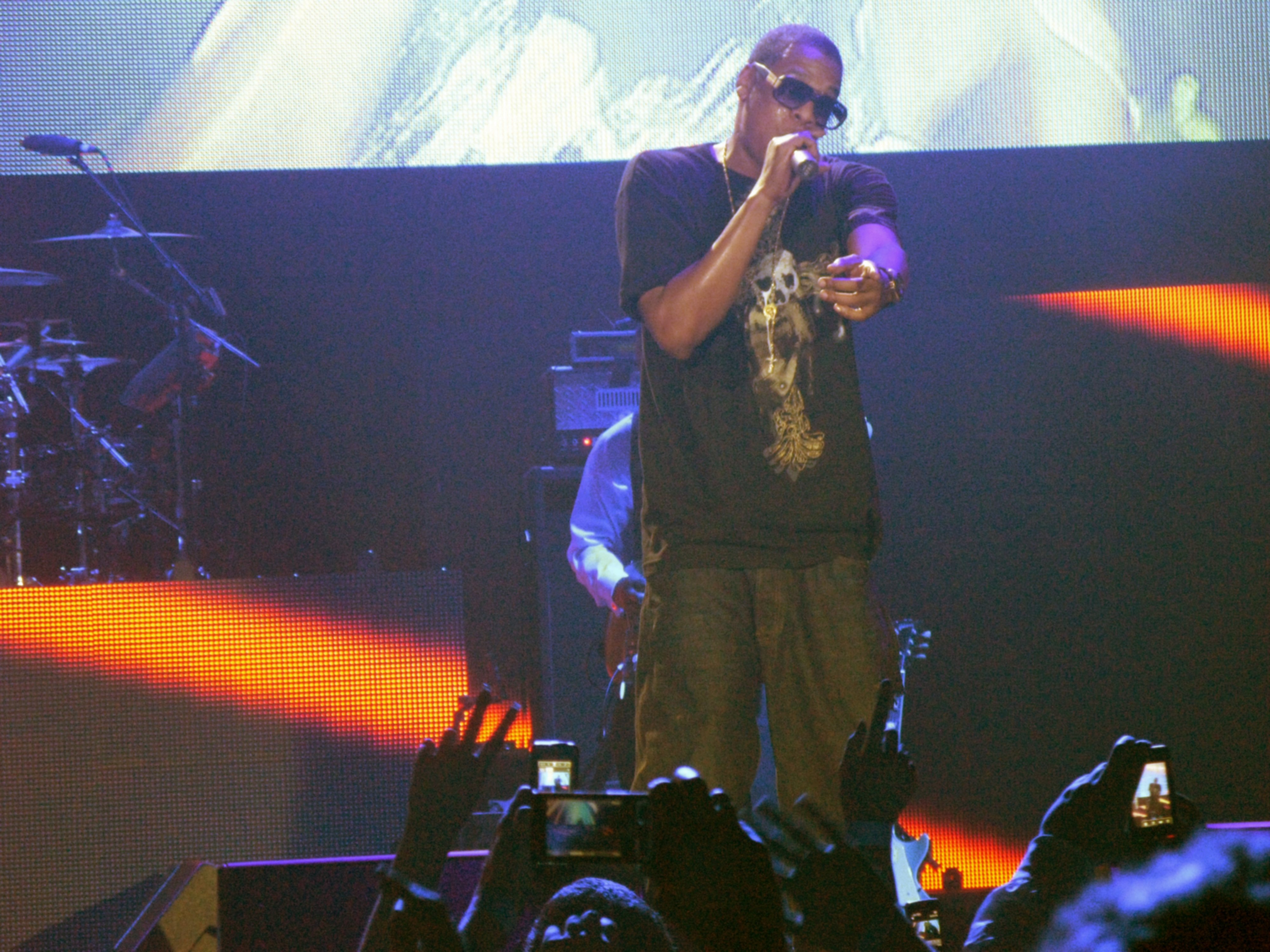
Nothing in Thursday’s announcement discloses what eight episodes will contain. The teaser is proof of intimate register between the two men rather than a content map. Rubin’s format, by design, does not preview its revelations in advance. What Jay-Z has said publicly across his career, including his marriage, his family, and the cultural controversies that have attached to his name since 4:44, has always been controlled and selective. What he has not said is a longer list. Whether JAY-Z IN 8 has room for any of that, or whether it functions as a curated archive of process and craft rather than a biographical accounting, is not a question the teaser is designed to answer.
Rubin turned Paul McCartney’s sprawl into six coherent episodes and received an Emmy for it. Jay-Z’s thirty years represent a larger archive, a more contested public narrative, and a creative record that is not finished. What HBO is acquiring from this arrangement, beyond the obvious marquee value, is a format proven capable of making an artist speak carefully and at length about work they might otherwise prefer to let stand without comment. Whether that is enough to account for the full weight of what Reasonable Doubt started, and everything that followed, is the question the series will spend eight episodes either answering or, more likely, carefully circling.