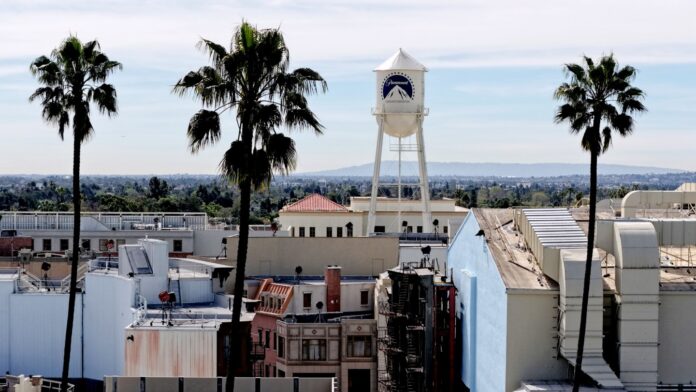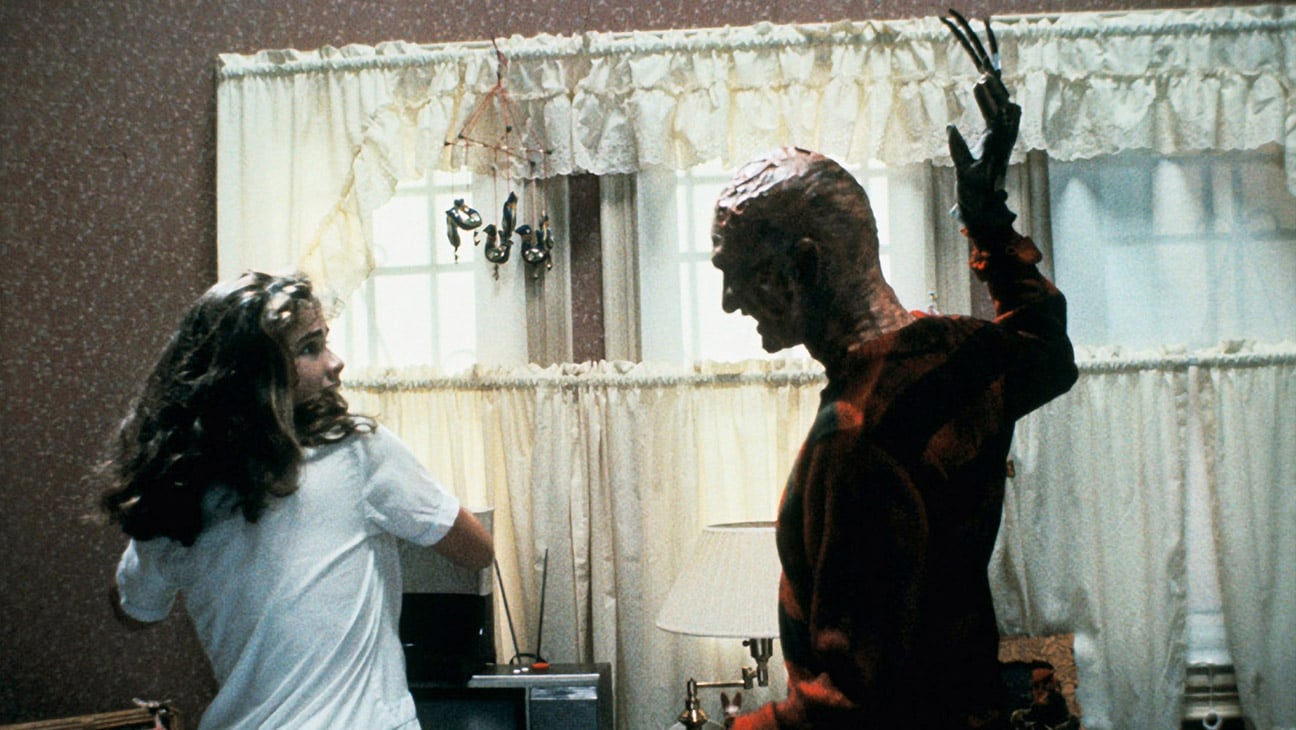

LOS ANGELES – For the first time since Wes Craven brought Freddy Krueger to New Line Cinema in 1984, U.S. rights to a new Nightmare on Elm Street feature belong to a different studio. Paramount has secured those rights through a deal with the Craven estate, with the project designated for Paramount Primal, the studio’s newly formed genre label.
The deal was struck with Iya Labunka, Craven’s widow, and Jonathan Craven, his son, who are attached as producers alongside Marc Toberoff, an entertainment attorney-producer. J.D. Lifshitz and Raphael Margules, who run Paramount Primal, are executive producers on the project. The Hollywood Reporter, which broke the deal exclusively, confirmed no writer or director has been set.
This is not a standard studio acquisition. The Craven estate did not sell the rights – it reclaimed them first. In 2019, the family exercised a provision of U.S. copyright law allowing creators or heirs to terminate licenses 35 years after a work was first published. The original Nightmare on Elm Street debuted in 1984, which made the estate eligible to claw back domestic rights beginning that year. Warner Bros. and New Line Cinema retain international distribution under separate agreements, a jurisdictional split that flows directly from how the copyright termination statute works: it applies only in the United States.
Paramount Primal is built around the premise that horror does not need franchise-level investment to perform. Lifshitz and Margules, before running the label, produced Barbarian (2022) – made for roughly $4 million and returning more than $45 million worldwide – and Friendship (2024). The label’s stated model: smartly budgeted projects in horror, action, comedy, and grounded science fiction, in partnership with a range of filmmakers. A Nightmare on Elm Street acquisition fits the template precisely. The property carries four decades of audience recognition and a character that remains one of the most recognizable in the genre.
Labunka’s statement on the deal was brief. “We look forward to bringing the world of Wes Craven’s Nightmare on Elm Street to a new and completely engaged generation of fans,” she said. The phrasing places Craven’s name at the front – a deliberate signal that the estate intends to approach this as a legacy property and not simply a licensing transaction.
The original A Nightmare on Elm Street earned $25.5 million against a production budget of $1.8 million in 1984 and launched one of that decade’s defining horror franchises. Robert Englund played Freddy Krueger through seven sequels, ending with Freddy vs. Jason in 2003. New Line attempted a remake in 2010 – casting Jackie Earle Haley and producing through Michael Bay’s Platinum Dunes – but the film received poor reviews and the franchise went dormant. It has not returned in any form since, leaving the mythology untouched for more than 15 years while the family pursued their copyright claim.
The horror genre’s commercial terrain has improved substantially since that remake. A run of franchise revivals – the Halloween trilogy at Universal and Blumhouse from 2018 to 2022, and the Scream revival cycle beginning in 2022 – demonstrated that horror audiences respond well to legacy IP when the creative execution is credible. Blumhouse’s economics showed that low-budget horror does not need to be B-movie in quality to reach mainstream audiences, and Paramount Primal’s Barbarian was an early proof of the same principle. The Nightmare brand starts with recognition advantages that most independent genre properties spend their entire first film trying to build.
For Paramount, the deal is also a hedge against institutional uncertainty. The studio’s proposed merger with Warner Bros. Discovery has required the company to exit its joint distribution venture with Universal to satisfy EU regulators, and the deal has not cleared domestic scrutiny. Intellectual property with the name recognition of Nightmare on Elm Street retains audience value regardless of which corporate entity holds the studio – it is an asset that survives ownership transitions intact.
The creative direction for the new film is entirely undefined. No writer or director is attached, and the announcement does not indicate whether the production will draw from Craven’s original 1984 screenplay, reimagine the mythology from a new angle, or attempt something between the two. Labunka and Jonathan Craven’s roles as producers give the family a position in those decisions. What the deal establishes is that Freddy Krueger has a path back to American theaters. The shape of that return has not been announced.