
LOS ANGELES — The Hollywood merger that was supposed to close months ago now has a new deadline: June 2027, at the earliest.
Paramount Skydance and Warner Bros. Discovery agreed last week to put their $111 billion combination on hold until five days after a federal antitrust trial resolves the case against them, or until the deal’s own expiration in June 2027, whichever comes first. Twelve state attorneys general, led by California’s Rob Bonta, filed suit to stop the transaction entirely, arguing it would let four companies control 86 percent of wide-release theatrical distribution and consolidate cable television licensing in ways that drive up costs for consumers and reduce options for creators.
The agreement amounts to Paramount accepting a prolonged uncertainty it had not budgeted for. A scheduled August 3 hearing on the states’ motion for a preliminary injunction was cancelled by mutual agreement, with both parties required to file a joint trial scheduling statement by July 31. The states want a trial in 2027. Paramount wants the case heard as early as fall 2026.
U.S. District Judge Araceli Martinez-Olguín had already barred the merger from closing through at least August 18 via a temporary restraining order. The standstill agreement extends the practical effect of that order by months, in exchange for scrapping the injunction hearing that Paramount would have needed to fight on short notice.
A coalition of twelve states, including Arizona, Colorado, Connecticut, Massachusetts, Minnesota, Nevada, New Jersey, New Mexico, New York, Oregon and Washington alongside California, allege violations of Section 7 of the Clayton Act. Their complaint puts the combined company’s share of wide-release theatrical distribution at 27 percent, with post-merger concentration leaving four distributors in control of roughly 90 percent of anticipated top-grossing releases. In basic cable television channel licensing, the deal would combine the second and third largest players into a single entity holding a combined 27 percent share.
Bonta said at the July 13 announcement, according to a statement from the California attorney general’s office, that the merger would “lead to higher prices, lower quality, and less content for film and television,” and has since indicated he would consider structural remedies requiring asset divestitures if Paramount engaged in settlement talks. The company has given no public signal it intends to do so.
Paramount dismissed the states’ case as a misreading of a deal that had already cleared regulatory scrutiny across 65 jurisdictions, including the European Union, China, Australia, Germany, France, Spain, Canada and South Korea. The company called the antitrust trial “the fastest and clearest way to prove that this transaction is good for competition, good for consumers, and good for creators,” arguing that dozens of competition authorities globally had already reached that conclusion.
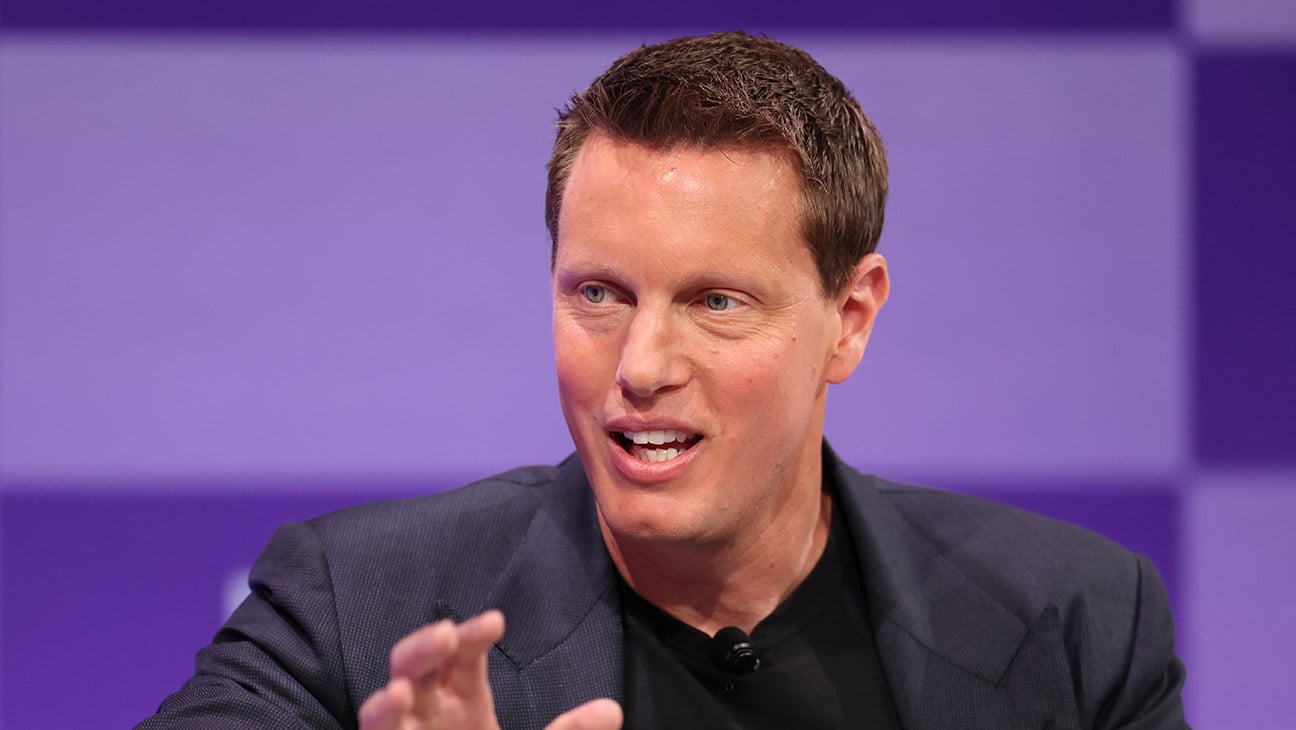
David Ellison, Skydance’s founder and Paramount’s would-be chief executive, sent a memo to staff Monday projecting the same confidence in plainer language. Telling employees the outcome was not in doubt, he wrote that “the facts and the law are on our side,” according to The Hollywood Reporter. He closed with his characteristic “Let’s go!” and thanked employees for patience, commitment and collective contributions, noting that Paramount and Warner Bros. Discovery remain separate companies operating independently until the deal closes.
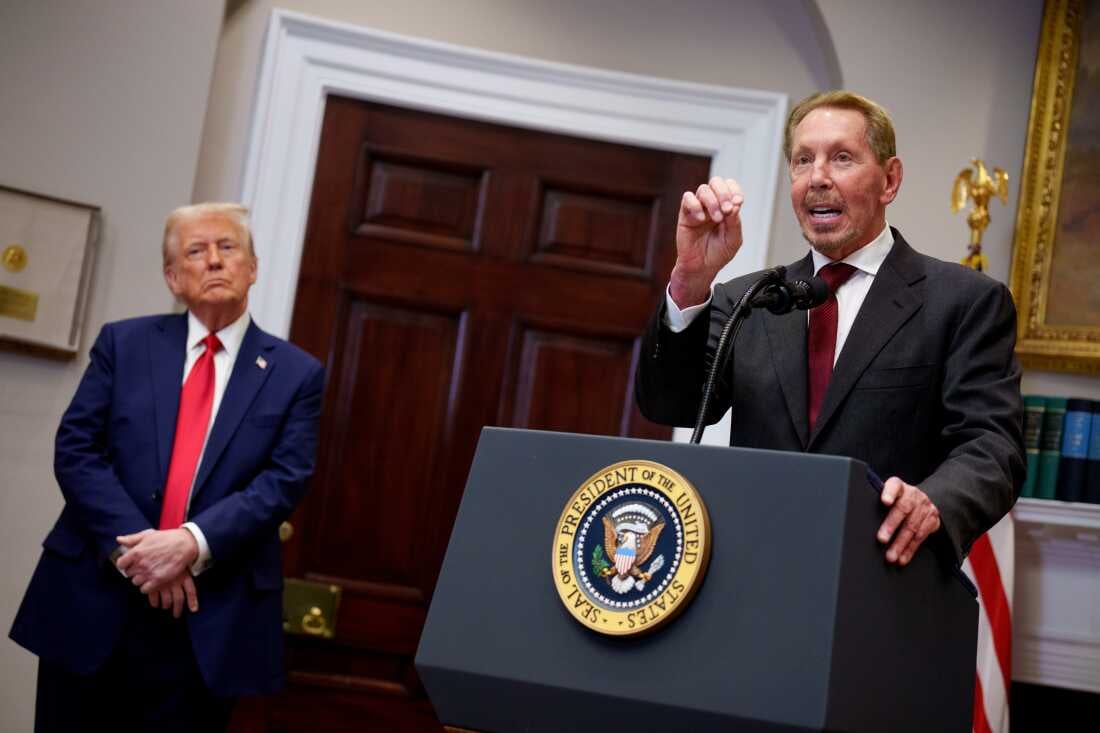
Backing Ellison’s confidence is a financial structure anchored partly by his father. Oracle co-founder Larry Ellison, an adviser to President Trump, has underpinned the deal’s investment architecture, giving Paramount Skydance the capital depth to absorb a protracted legal fight if that is where this ends up.
The financial calendar adds pressure to legal positioning. Warner Bros. Discovery shareholders are owed roughly $650 million in quarterly payments, approximately $6.9 million per day, if the merger does not close by September 30. A 2027 trial, as the state coalition is pushing for, would push closure far past that date, raising questions about what Warner Bros. Discovery’s board does in the interim.
The Writers Guild of America has filed its own opposition, arguing the combined company would lower compensation and worsen deal terms for writers across the industry. The guild’s intervention extends the front Paramount must defend beyond antitrust law into labor relations as well. Separately, the former owners of the Golden Globes filed their own antitrust lawsuit against Penske Media this week, a different dispute but another sign of the legal tensions running through Hollywood’s business right now.
What neither side has said publicly is what a settlement would look like, or whether one is possible. The trial date that both parties propose by July 31 will be the clearest signal yet of how long this deal, and the uncertainty surrounding it, still has to run.