A lawsuit filed in Los Angeles County Superior Court has thrust Hollywood icon Will Smith into the center of a sexual harassment and wrongful termination scandal that threatens to tarnish the reputation of one of entertainment’s most bankable stars. Brian King Joseph, an acclaimed electric violinist who gained national recognition after finishing third on America’s Got Talent in 2018, alleges he was groomed for sexual exploitation and then fired in retaliation after reporting a disturbing hotel room intrusion during Smith’s 2025 European tour.
The complaint, filed on Tuesday, paints a troubling picture of power dynamics in the music industry and raises serious questions about how allegations of misconduct are handled by tour management companies. Joseph’s legal team claims the violinist was terminated shortly after contacting police about an incident at a Las Vegas hotel in March 2025, where he discovered personal items, HIV medication, and a handwritten note suggesting an imminent sexual encounter left in his room by an unknown individual.
Smith’s attorney, Allen B. Grodsky of Leech Tishman law firm, has issued a categorical denial of the allegations, calling them “false, baseless, and reckless” in a statement to media outlets. The attorney pledged to use “all legal means available” to defend Smith and ensure the truth emerges. Yet the lawsuit’s detailed allegations and Joseph’s public statements have already ignited intense scrutiny of the award-winning actor’s conduct during his musical comeback tour.

The 34-year-old violinist was hired in late 2024 to perform on Smith’s “Based on a True Story: 2025 Tour,” which kicked off at Morocco’s prestigious Mawazine Festival in June and traversed 26 dates across Europe and the United Kingdom. The tour marked Smith’s ambitious return to live music performance, supporting his album of the same name. Joseph, known professionally as “The King of Violin” for his innovative fusion of classical technique with hip-hop and electronic music, appeared to be an ideal collaborator for Smith’s genre-blending musical vision.
According to the lawsuit, the professional relationship between Joseph and Smith quickly evolved into what the complaint characterizes as an inappropriately close personal connection. The filing alleges Smith told Joseph at one point during their collaboration, “You and I have such a special connection, that I don’t have with anyone else.” This statement, Joseph’s legal team argues, was part of a pattern of behavior designed to groom the violinist for sexual exploitation while creating a power imbalance that would make it difficult for Joseph to resist unwanted advances or report misconduct.
The lawsuit centers on events that unfolded at a Las Vegas hotel during a tour stop in March 2025. Joseph claims he returned to his room to discover it had been entered without his knowledge or consent. Left inside were items that the complaint describes as deeply disturbing: personal hygiene wipes, a beer bottle, a backpack, a bottle of HIV medication, hospital discharge paperwork bearing an unfamiliar name, and a handwritten note reading, “Brian, I’ll be back no later (than) 5:30, just us (drawn heart), Stone F.”

The violinist says he immediately feared the unknown individual intended to return to engage in sexual activity with him. Joseph photographed the items, contacted hotel security, requested an immediate room change, and called a local police non-emergency line to file a report. Hotel security personnel told Joseph they found no signs of forced entry and indicated that only individuals affiliated with the tour management team who had booked the room would have had access, according to the complaint.
Rather than launching an investigation into who accessed Joseph’s room and left the disturbing materials, the lawsuit alleges tour management turned the tables on the victim. Joseph claims he was accused of fabricating the entire incident and was subsequently terminated from the tour. Management told him the production was “moving in a different direction,” the complaint states, yet another violinist was hired shortly thereafter to fill his position, undermining the claim that his role had been eliminated for legitimate business reasons.
The lawsuit names both Will Smith individually and Treyball Studios Management as defendants, alleging the actor was directly involved in the decision to fire Joseph. The complaint asserts Joseph was terminated in retaliation for reporting what he believed to be a sexual assault setup, and that his firing was intended to silence him and discourage other potential victims from coming forward. Joseph’s legal team contends the termination violated California labor laws protecting employees who report workplace safety threats and sexual misconduct.
The emotional and financial toll on Joseph has been severe, according to the filing. The lawsuit claims the incident and subsequent termination caused Joseph to suffer acute emotional distress, post-traumatic stress disorder, and significant economic losses from the abrupt end to his touring income. For a musician who has publicly discussed his ongoing battle with peripheral neuropathy, a degenerative nerve condition that causes pain and numbness the stress of the allegations and lawsuit adds another layer of difficulty to an already challenging career.
Joseph broke his public silence about the matter last week, posting an Instagram video that stopped short of naming Smith but clearly referenced the legal dispute. “Earlier this year, I was hired to be a performer on a major, major tour with somebody who is huge in the industry,” Joseph said in the emotional video message. “Unfortunately, some things happened, and I can’t get into the details of exactly what that was, because it’s already a legal issue right now, but the reason why I’m speaking out about this is because getting fired or getting blamed or shamed or threatened or anything like that, simply for reporting sexual misconduct or safety threats at work, is not OK.”
The violinist’s video, captioned as an “Important PSA,” struck a nerve with his substantial social media following. Joseph, who has accumulated millions of views on YouTube for his electric violin covers of artists ranging from Adele to Kanye West, used his platform to encourage others facing similar situations to speak up. “I know that there’s a lot of other people out there who have been afraid to speak up, and I understand, and if that’s you, I see you,” he said, adding cryptically, “More updates to come soon.”
The allegations arrive at a particularly sensitive moment for Will Smith, who has spent recent years attempting to rehabilitate his public image following the infamous incident at the 2022 Academy Awards ceremony where he slapped comedian Chris Rock on stage. Smith’s subsequent apology tour and gradual return to filmmaking had appeared to restore much of his standing with fans and industry peers. The “Based on a True Story” album and tour were seen as a triumphant return to the music career that first made him famous as part of DJ Jazzy Jeff & The Fresh Prince in the late 1980s.
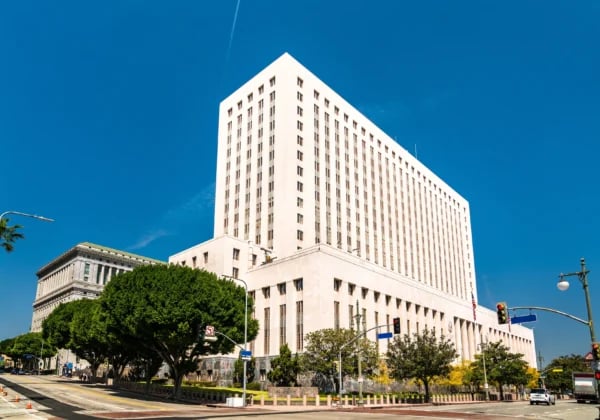
The lawsuit also raises broader questions about accountability mechanisms within the entertainment touring industry. Joseph’s complaint suggests tour management companies may prioritize protecting high-profile talent over investigating allegations made by lower-status employees. Legal experts note that California’s robust employment protection laws make it illegal to retaliate against workers who report safety concerns or sexual harassment, regardless of the celebrity status of those accused.
For Brian King Joseph, the decision to file suit represents a remarkable act of courage given the power differential between a self-taught violinist from Washington, D.C., and one of Hollywood’s most influential figures. Joseph’s journey to this point has been marked by extraordinary perseverance. After receiving a full presidential scholarship to Berklee College of Music in 2012, he was forced to withdraw following his neuropathy diagnosis. Rather than abandoning his musical dreams, he built a thriving independent career, winning MTV’s “Cover of The Month” competition and earning Simon Cowell’s praise during his America’s Got Talent run.
The lawsuit’s outcome could have significant implications for how the entertainment industry handles allegations of sexual misconduct and retaliation. If Joseph’s claims are substantiated, the case would represent another example of powerful entertainment figures allegedly using their influence to silence accusers, a pattern that has drawn increased scrutiny in the post-MeToo era. Conversely, if Smith’s legal team successfully demonstrates the allegations are unfounded, the case could highlight the challenges celebrities face in defending themselves against claims that generate immediate reputational damage regardless of their veracity.
As the legal process unfolds in Los Angeles County Superior Court, both sides appear to be preparing for a protracted battle. Smith’s attorney has signaled an aggressive defense strategy, while Joseph’s decision to speak publicly despite the pending litigation suggests confidence in the strength of his case. The discovery process may reveal additional details about the Las Vegas hotel incident, the nature of Smith and Joseph’s professional relationship, and the circumstances surrounding the violinist’s termination.
The case also illuminates the precarious position of touring musicians, who often find themselves far from home, dependent on tour management for accommodations and logistics, and vulnerable to exploitation by those who control their employment. Joseph’s allegations suggest that even accomplished musicians with national television exposure can find themselves powerless when confronting potential misconduct by A-list collaborators and their management teams.
For now, the entertainment world watches closely as one of its biggest stars faces allegations that threaten both his carefully reconstructed public image and his ongoing musical revival. The lawsuit represents not just a personal crisis for Will Smith, but a test of whether the entertainment industry has truly reformed its handling of sexual misconduct allegations in the years since the MeToo movement forced a cultural reckoning. Brian King Joseph’s willingness to speak out, despite the risks to his own career, may determine whether other musicians find the courage to report similar experiences, or remain silent for fear of professional retaliation.