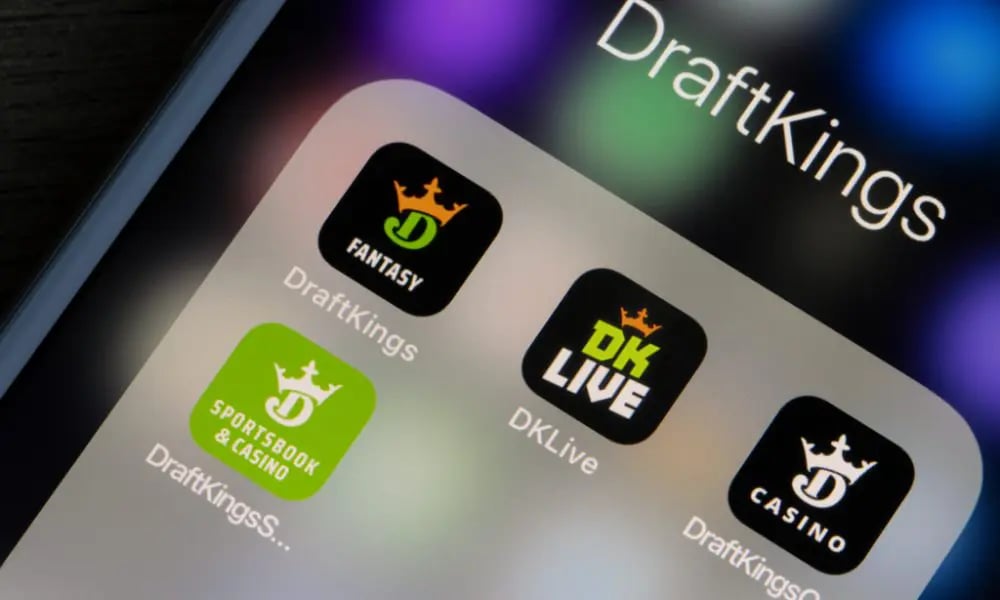

DraftKings is making its most aggressive move yet to consolidate power in the rapidly evolving digital gambling industry, unveiling plans for a sweeping “super app” designed to unify sports betting, online casino gaming, lottery services, and prediction markets into a single platform. The strategy signals a fundamental shift not only in how users engage with online wagering but also in how companies compete in a fragmented and increasingly contested US market.
The Boston-based company’s new platform will combine its sportsbook, iGaming operations, lottery services, and prediction markets into one ecosystem, allowing users to operate through a single account and wallet. This “one wallet” approach is designed to reduce friction and increase engagement across verticals, enabling seamless movement between betting, gaming, and trading experiences.
The ambition reflects a broader shift in digital platform strategy, borrowing from Asian super app models while adapting to the unique regulatory constraints of the US. For DraftKings, the goal is not merely convenience but dominance through integration, capturing user attention across multiple forms of wagering and entertainment.
This expansion comes as the company deepens its push into DraftKings casino platform offerings, positioning itself at the center of an increasingly competitive digital gambling ecosystem.
At the core of the strategy is prediction markets, a fast-growing segment that allows users to trade contracts based on the outcomes of real-world events. These platforms have gained rapid traction in recent years, blurring the line between financial trading and gambling and attracting users with broader accessibility.
That rise, however, has triggered mounting competition and political backlash in Washington. Lawmakers have introduced bipartisan legislation aimed at banning sports-related contracts, arguing that such markets resemble unregulated gambling and pose risks of insider trading.
The proposed crackdown directly targets prediction market platforms such as Kalshi and Polymarket, which have emerged as disruptive challengers to traditional sportsbooks. These platforms have introduced anti-insider trading rules in response to scrutiny, but concerns persist over market integrity and regulatory loopholes.
The debate has exposed deep tensions within the US regulatory system. Prediction markets operate under federal oversight, while sportsbooks are regulated at the state level, creating a fragmented framework that allows new entrants to bypass traditional restrictions.
This fragmentation is already visible across states, where state-by-state licensing regimes continue to complicate the rollout of unified platforms and highlight the uneven pace of legalization.
Despite the uncertainty, financial markets have reacted positively to potential regulatory tightening. Shares of DraftKings and other betting companies surged following reports that lawmakers may restrict prediction markets, easing competitive threats and reinforcing investor confidence.
Still, the industry remains in flux. Critics warn that restricting prediction markets could push activity offshore, reducing transparency and oversight, while supporters argue that tighter rules are necessary to protect consumers and ensure fair competition.
At the same time, mainstream adoption of prediction platforms continues to accelerate. :contentReference[oaicite:4]{index=4} Major League Baseball recently signed a multi-year deal with Polymarket, signaling growing acceptance of event-based trading within professional sports.
Yet the expansion has not been without controversy. Lawmakers and consumer advocates have raised concerns about addiction, market manipulation, and the broader societal impact of gambling-like systems embedded within financial markets. Some have even compared the rise of prediction platforms to the early days of Big Tobacco, calling for stricter advertising and regulatory controls.
DraftKings’ super app strategy appears designed to navigate this volatile landscape by positioning the company across multiple regulatory categories. By integrating prediction markets alongside traditional betting products, it can adapt to shifting rules while maintaining diversified revenue streams.
The approach also reflects a deeper technological shift. The company is leveraging artificial intelligence to optimize user engagement, personalize offerings, and streamline operations, enabling more efficient scaling across its platform.
Executives estimate that the combined opportunity across sportsbook, casino, lottery, and prediction markets could reach tens of billions of dollars annually over the next decade, underscoring the scale of the company’s ambitions.
Competition, however, is intensifying. Rival platforms and operators are entering what analysts describe as a “competitive phase,” marked by aggressive marketing campaigns and rapid innovation. This dynamic is evident across the industry, from traditional operators to emerging crypto-based betting ecosystems, as highlighted in prediction markets coverage.
Legal challenges also continue to mount. Ongoing disputes over trademarks, licensing, and regulatory authority underscore the fragile balance between innovation and compliance in the US gambling sector.
Ultimately, DraftKings is betting that integration will win. The super app represents more than a product, it is a strategic attempt to redefine how users interact with digital wagering ecosystems.
If successful, the model could accelerate consolidation across the industry, forcing competitors to adopt similar strategies or risk falling behind. It could also reshape regulatory debates, as lawmakers grapple with the convergence of gambling, finance, and technology.
For now, the outcome remains uncertain. But one thing is clear: as the platform evolves, the shift could redefine how users engage with digital wagering ecosystems and reshape global betting trends.