HARARE – When the ferry Mbuya Nehanda slipped beneath the surface of Lake Kariba on Monday evening, it took with it the sister and at least fifteen relatives of a Zimbabwean member of parliament, whose name officials have declined to release. They were among the 44 people confirmed dead by Tuesday morning, a number officials warned was likely to rise.
The vessel capsized shortly after departing the Binga district on Zimbabwe’s southeastern shore, overcrowded by roughly double its certified passenger limit, according to Zimbabwe’s Civil Protection Unit. The lake, one of the largest reservoirs by volume in the world and among the most treacherous bodies of water in southern Africa, offers no mercy to a vessel riding low; its surface, prone to sudden squalls whipped up by surrounding hills, claimed the Mbuya Nehanda before rescuers could reach her.
Witnesses recorded video footage in the minutes before the ferry left the dock. In the clips, passengers standing chest-to-shoulder on the upper deck can be seen speaking directly to camera, calling on the captain to turn back. The vessel had not yet left the shallows when the recordings were made. It continued on regardless.
Exactly 95 people were aboard a ferry built to carry fewer than 50, by preliminary estimates from the Civil Protection Unit. Rescue crews pulled 77 survivors from the water before nightfall, with military divers reaching the hull of the submerged vessel by Tuesday morning in an effort to confirm whether any passengers remained trapped inside. At least 27 people were unaccounted for as of Tuesday, though officials said the full missing-persons count had not yet been established.
The captain of the Mbuya Nehanda was among the dead.
President Emmerson Mnangagwa declared a state of disaster for the Binga North constituency, directing the Civil Protection Unit to coordinate search-and-rescue operations. “This is a moment of profound national mourning,” Mnangagwa said in a statement Tuesday. He called for an immediate investigation into how the vessel came to be carrying more than twice its certified passenger load before departure.
That inquiry faces a fundamental problem: the captain is dead. No official has identified who at the Binga port authority, if one is operating at full function, certified the ferry’s departure. District officials had not responded to requests for comment as of Tuesday afternoon.
The lake itself is poorly suited to casual passenger transit. Stretching approximately 280 kilometres along the Zimbabwe-Zambia border, Lake Kariba was formed by the flooding of the Zambezi valley when the Kariba Dam was completed in 1958, according to the Zambezi River Authority, the bilateral body that manages the dam’s operations. Its waters are inhabited by hippopotamuses and Nile crocodiles, which complicated the recovery operation even as military divers descended to the hull on Tuesday. Fishermen who operate on the lake told reporters in Binga that they had flagged the regularity of overloaded ferries to district officials over the past two years, without result.

Zimbabwe has recorded boat capsizings on the lake at irregular intervals for years, nearly all connected to overloading. In the communities around Binga, where interior roads become impassable during the rainy season, lake ferries are the only reliable route for tens of thousands of residents. The vessels operate with minimal official oversight, their passenger manifests, when kept at all, rarely checked against capacity certificates that often predate the ferry’s current condition.
The footage of passengers pleading with the crew is likely to become the centre of any criminal proceedings. Across the region, ferry operators have repeatedly argued that commercial pressure drove their decisions, that passengers demanded they sail despite warnings. The video from the Mbuya Nehanda inverts that claim entirely: the passengers were begging to stop.
The Lake Kariba disaster echoed maritime tragedies that have accumulated across the developing world this year. Earlier in 2026, more than 500 Rohingya were feared dead after two overcrowded boats vanished off Myanmar’s coast, adding to a toll of over 300 Rohingya killed at sea in 2026 alone. In each case, the passengers had no safer transit option available: no regulated service, no capacity enforcement, no coast guard presence on the water.
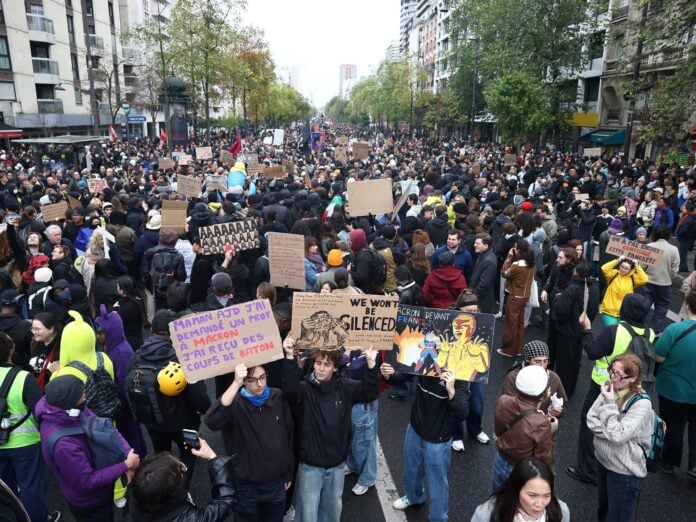
The deaths on Lake Kariba come at a difficult moment for Mnangagwa’s government. Zimbabwe witnessed mass street protests last month over proposed constitutional amendments, with demonstrators filling Harare to demand democratic checks on executive power. The ferry disaster introduces a separate front of public anger, focused not on political rights but on the state’s failure to protect citizens using the country’s own inland water routes.
The pattern of catastrophic regulatory failure is not unique to any single country. When Venezuela was struck by twin earthquakes in June, the death toll was shaped as much by years of lax building codes and deferred maintenance as by the seismic event itself. In each case the regulatory failure preceded the disaster by years; the hazard simply made it visible.
Mnangagwa has promised a full accounting. Who authorized the Mbuya Nehanda’s departure from Binga with nearly twice its certified passenger load, who counted the passengers at the dock, and whether any official will face criminal charges remain unanswered. The divers working through the depths of Lake Kariba on Tuesday did not yet know how many people remained inside the hull.