
The promise was intoxicating. A weekly injection, a shrinking waistline, and the illusion—carefully marketed, widely consumed—that science had finally cracked obesity. Drugs like Ozempic and Wegovy surged into global consciousness, fueling a pharmaceutical gold rush and a cultural obsession with rapid weight loss.
But beneath the glossy before-and-after narratives lies a more complicated—and now scientifically validated—truth: these drugs do not work for everyone. And increasingly, the reason appears to be written in DNA.
A sweeping new study published in Nature has detonated a quiet assumption underpinning the GLP-1 boom—that these drugs are broadly effective across populations. Instead, the research exposes a stark biological divide, revealing that genetic variation can significantly influence both weight-loss outcomes and the likelihood of debilitating side effects.
This is not a marginal footnote. It is a fundamental recalibration of how modern medicine understands obesity treatment.
The genetic fault line
The study, led by researchers at the 23andMe Research Institute, analyzed genetic data from tens of thousands of individuals taking GLP-1 receptor agonists—drugs designed to mimic gut hormones that regulate appetite, digestion, and insulin response.
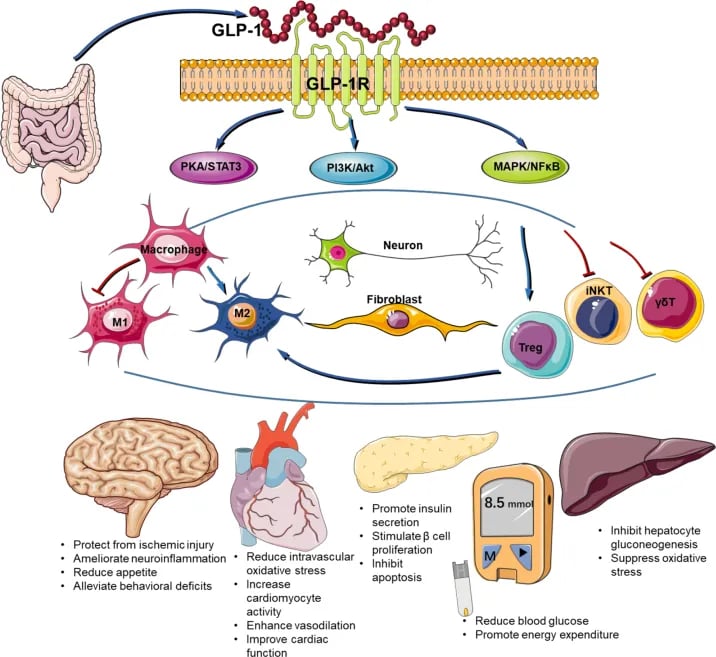
Two genes—GLP1R and GIPR—emerged as critical players. Variants within these genes appear to determine how effectively a person responds to the drugs. Some individuals with specific genetic profiles lost significantly more weight. Others saw minimal change. And some paid a steep physiological price.
Patients carrying certain variants were up to 15 times more likely to experience severe side effects such as vomiting when using newer dual-action drugs like tirzepatide.
The implication is blunt: the blockbuster drugs reshaping the obesity market are, in practice, biologically selective.
The myth of universal efficacy
For years, clinical trials and marketing campaigns have emphasized dramatic weight loss—often exceeding 15 to 20 percent of body weight in controlled settings.
But real-world data tells a more uneven story.
Roughly 10 to 15 percent of users are classified as “non-responders,” meaning they fail to lose even 5 percent of their body weight. These are not statistical outliers; they represent millions of people globally.
The cultural obsession with weight-loss drugs like Ozempic has only amplified expectations, often detached from biological reality.
The new genetic findings offer a partial explanation for this variability. Individuals carrying certain GLP1R variants, for instance, may lose modestly more weight—on the order of a few additional pounds—while others experience negligible benefits.
Yet even here, the science resists oversimplification. genetic variation can significantly influence outcomes, but it is far from the only factor.
Experts caution that the genetic effect, while real, is not dominant. Factors such as dosage, duration, sex, and lifestyle still exert greater influence.
Precision medicine, or pharmaceutical illusion?
The emerging concept is “precision obesity”—a tailored approach in which treatments are matched to a patient’s genetic profile.
In theory, this aligns with broader genetic breakthroughs in medicine that are reshaping how diseases are treated.
In practice, it exposes the limitations of the current model.
Today, patients are often prescribed GLP-1 drugs through a process of trial and error. Some experience dramatic transformations. Others endure nausea, vomiting, and financial strain with little to show for it.
The new research suggests that this inefficiency is not merely logistical—it is biological.
The side-effect economy
If weight loss is the headline, side effects are the subtext—and for many patients, the dealbreaker.
GLP-1 drugs are notorious for gastrointestinal complications, including nausea, vomiting, and, in some cases, more serious conditions such as pancreatitis.
This matters not only for patient comfort but for adherence. Many users discontinue treatment because the side effects are intolerable. And once they stop, the weight often returns—sometimes quickly and dramatically.
Evidence shows that patients regain a significant portion of lost weight within months of discontinuing these drugs, underscoring their dependence on continuous use.
A billion-dollar blind spot
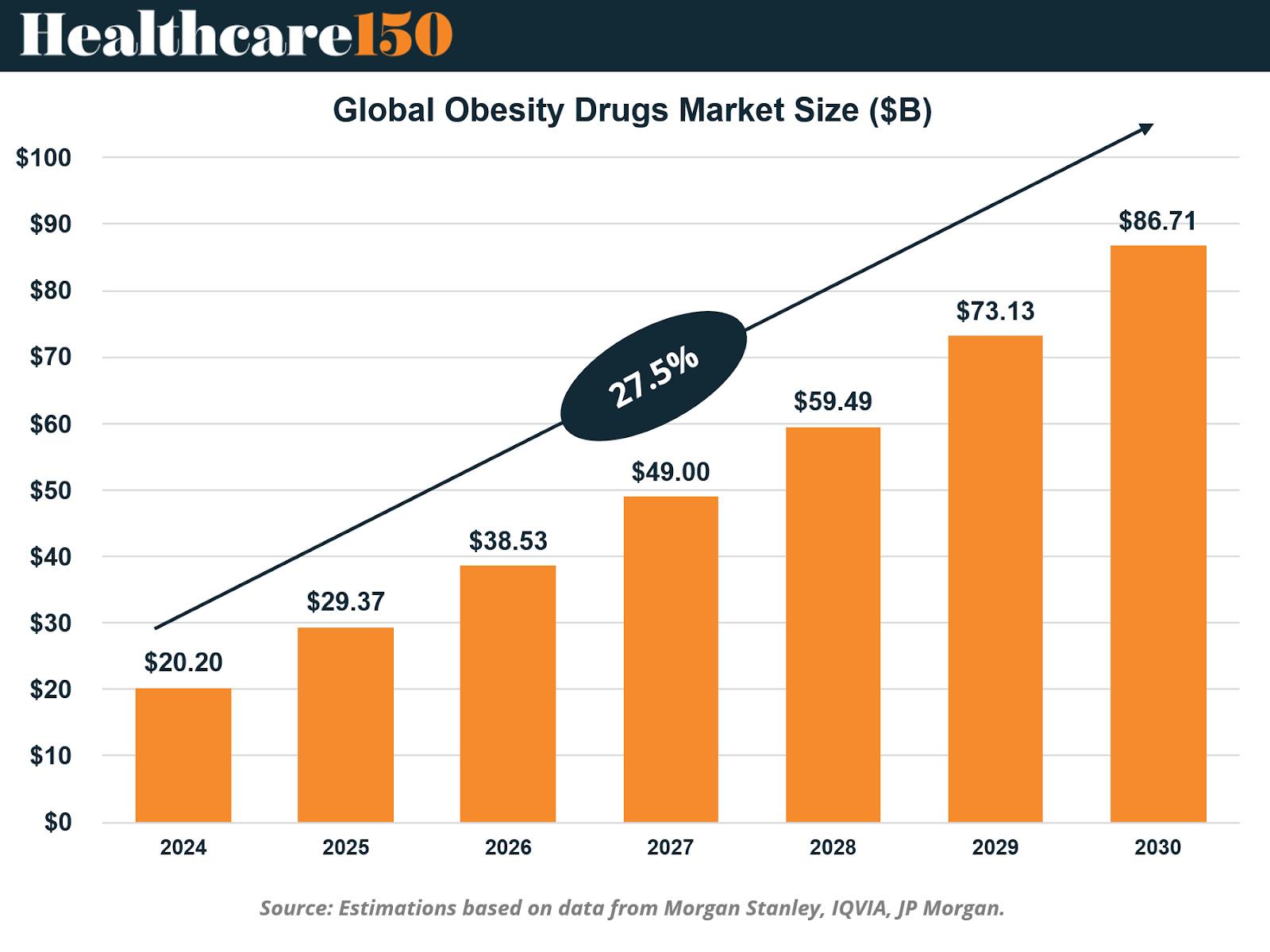
The commercial success of GLP-1 drugs has been staggering, raising deeper questions about pharmaceutical pricing and access in a rapidly expanding market.
Yet the industry’s narrative has largely sidestepped variability.
The assumption—implicit but pervasive—is that these drugs are broadly applicable, scalable, and predictable. The new genetic evidence challenges that assumption at its core.
Beyond genetics: the complexity problem
Even as genetics takes center stage, it does not offer a complete explanation.
Obesity is a multifactorial condition shaped by behavior, environment, metabolism, and social determinants. Drugs that target a single hormonal pathway operate within that broader system.
Research shows that factors such as dosage, duration, sex, and lifestyle still exert greater influence on outcomes than genetics alone.
The future: stratified, not universal
What emerges from this research is not a rejection of GLP-1 drugs, but a redefinition of their role.
They are not universal solutions. They are targeted interventions—highly effective for some, marginal for others, and risky for a subset.
The end of the miracle narrative
The rise of GLP-1 drugs has been framed as a medical breakthrough—but the new genetic evidence reveals a far more fragmented reality.
It forces a more honest conversation about who these drugs work for—and who they leave behind.
Related Posts