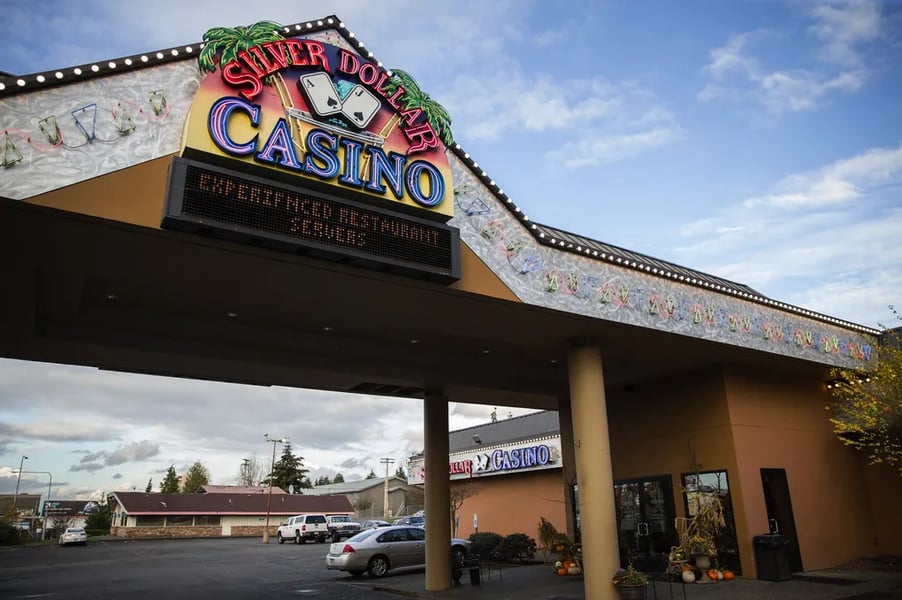

SEATAC — Maverick Gaming, a casino and cardroom operator with 27 properties across three Western states, is permanently closing its Silver Dollar SeaTac Casino near Seattle-Tacoma International Airport and laying off 65 employees, according to a Worker Adjustment and Retraining Notification (WARN) filed this week.
The closure, effective June 30, marks the latest retreat for a company that has been shedding assets since filed for Chapter 11 bankruptcy protection in July 2025. The 65 affected employees include table game dealers, servers, line cooks, cashiers and security staff, according to the filings.
“Maverick Gaming is closing the Silver Dollar SeaTac Casino and laying off about 65 employees there,” the Puget Sound Business Journal reported, citing the company’s notices to Washington state.
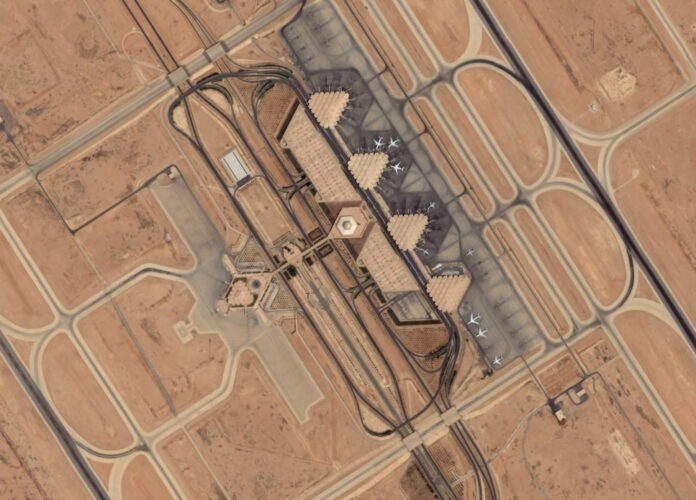
The casino, located at 19222 International Boulevard just minutes from the airport, had previously been scheduled to close in December 2025. That timeline was delayed as the company worked through its bankruptcy proceedings and sought a buyer for the property. With no purchaser found, the shutdown is now moving forward, and no sale is recorded in King County property records, according to The Seattle Times.
The Silver Dollar SeaTac closure is the fifth location Maverick has shuttered since its bankruptcy filing. Shortly after seeking court protection, the company announced the immediate closure of four Washington cardrooms: Dragon Tiger Casino in Mountlake Terrace, Palace Casino in Lakewood, Silver Dollar Casino in Renton and Roman Casino in Seattle. Those closures were attributed in part to a decision by the Washington State Gambling Commission that the company said put its cardrooms at a competitive disadvantage against tribal casinos.
Maverick Gaming filed for Chapter 11 in the US Bankruptcy Court for the Southern District of Texas on July 14, 2025, under its corporate name RunItOneTime LLC. The company listed assets and liabilities between $100 million and $500 million and reported owing $305 million on a secured term loan. The filing followed a June 2025 decision by S&P Global Ratings to withdraw all of its ratings on the company, including its CCC issuer credit rating, citing insufficient information to maintain coverage and a negative outlook.
In a statement at the time of the filing, Jeff Seery, chief restructuring officer of Maverick Gaming, said the company intended to keep all casinos open during restructuring. “We are hopeful this process will allow us to right-size our underlying business operations and preserve value for the benefit of all stakeholders,” Seery said. That position has since shifted as asset sales and closures have proceeded.
The company suffered from a weaker local economy as layoffs in the technology industry affected its customer base, according to a June 2024 report by S&P Global Ratings. At the same time, rising commercial rents and operating costs squeezed the company from both sides, while bankruptcy court filings indicated that the company also struggled to bounce back from the pandemic and survive in a crowded market.
The closure comes amid broader turbulence for regional casino operators. Tribal casinos in Washington, which operate under different regulatory frameworks and offer a wider range of games, have long been a competitive force. The Tulalip Tribes, among several Washington tribes with thriving casinos, have expanded their operations in stark contrast to the recent struggles of some local and national gambling business operators.
Nationwide, the picture is mixed. Traditional brick-and-mortar casino gaming produced its highest annual revenue ever last year, rising 2.3 percent from the previous year to US$50.94 billion, according to the American Gaming Association. Yet regional operators face persistent headwinds: state regulations are tightening in 28 states, with crackdowns on sweepstakes and social casinos, while California has moved to ban blackjack-style games in cardrooms. Las Vegas Strip gaming revenue fell 11 percent in January driven by a collapse in baccarat hold, and analysts have noted signs of weakness even in markets that had appeared resilient.
Maverick Gaming has been selling assets through the bankruptcy process. A bankruptcy judge approved a $28 million sale of Washington state cardroom assets in January, and the company has been pursuing broader restructuring or sale processes with its secured lenders. Some Maverick assets were auctioned during the Chapter 11 case, and an entity tied to founder Eric Persson emerged as a successful bidder for a subset of the company’s cardrooms. Any new buyer for the SeaTac site would need approval from the state gambling commission and the bankruptcy court, but no buyer has materialized.
The company was founded by Eric Persson, a high-stakes poker player who built the operation through acquisitions before the pandemic. At its peak, Maverick Gaming owned four Northern Nevada casinos in Elko and Wendover, 17 cardrooms in Washington and three casinos in Colorado, with a combined 2,500 slot machines, 320 table games, 1,200 hotel rooms and 30 restaurants.
Maverick continues to operate a portfolio of roughly two dozen properties across Nevada, Washington and Colorado, including its remaining Washington cardrooms. The restructuring case remains active in the bankruptcy court.