
In the shadow of President Donald Trump’s return to the White House, a stark economic reckoning unfolded across America’s industrial heartland and beyond. Corporate bankruptcies surged to a 15-year high in 2025, with 717 large filings from January through November, rivaling the darkest days following the Great Recession. The culprit, according to S&P Global Market Intelligence and a sweeping Washington Post analysis, is a toxic cocktail of persistent inflation, sky-high interest rates, and the president’s aggressive tariff regime, which has hammered import-dependent businesses with costs not seen in decades.
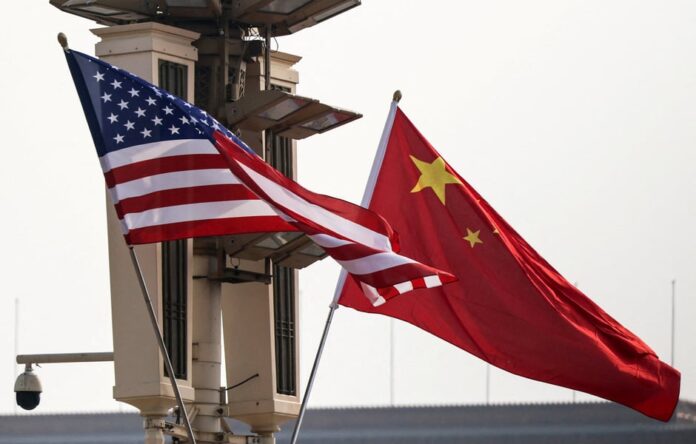
The blitz began in earnest on Inauguration Day. Executive orders slapped 25 percent tariffs on all goods from Mexico and Canada, followed swiftly by 60 percent levies on Chinese imports. Steel, aluminum, semiconductors, and consumer electronics, no sector escaped. By summer, duties expanded to automobiles and rare earth minerals critical for electric vehicles and defense systems. Administration officials hailed it as a masterstroke to repatriate manufacturing. Yet beneath the triumphant rhetoric, cracks were already forming.
Debt Dynamics Fuel the Fire
At the heart of the crisis lies a mountain of corporate debt accumulated during years of cheap borrowing. When the Federal Reserve began hiking rates in 2022 to combat post-pandemic inflation, refinancings became prohibitively expensive. Companies that loaded up on low-interest loans now faced maturities at rates double or triple what they paid before. “It’s like walking off a cliff,” said one restructuring expert, as firms grappled with interest payments devouring cash flows.
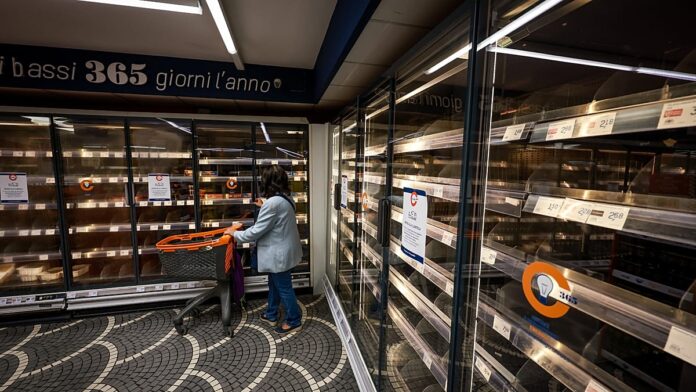
Inflation, stubbornly above target at 7.2 percent by midsummer, eroded profit margins further. Oranges from Mexico jumped 40 percent. Canadian lumber drove new home prices up 18 percent year-over-year. Even Walmart aisles bore “tariff surcharge” stickers on everything from toys to televisions. In Michigan’s Flint and Saginaw, food pantries reported a 35 percent uptick in demand. “Tariffs were supposed to make us rich again,” said Maria Gonzalez, a single mother clutching a cart of rationed staples. “Now I can’t afford milk for my kids.”
The Federal Reserve, under pressure from a president who repeatedly threatened to fire its chair, held interest rates steady at punishing levels. Economists at the Brookings Institution warned of stagflation, stagnant growth paired with runaway prices, a specter not seen since the 1970s. CFO Brew noted second-half filings spiked as seasonal demands collided with economic headwinds, while zombie debt from the pandemic era came due across every sector.
A Tsunami of Filings
The numbers paint a grim picture. S&P data shows bankruptcies up 14 percent year-over-year, with mega-cases involving $1 billion or more in liabilities jumping 72 percent to 31 filings. Business filings overall rose 11.5 percent per US Courts data, with July alone hitting the highest monthly total in five years, coinciding with tariff escalations on Mexican and Canadian imports.
Notable casualties include semiconductor giant Wolfspeed, solar installer Sunnova Energy, robot vacuum maker iRobot facing Chinese dominance post-tariff shifts, and job sites CareerBuilder and Monster. General Motors idled three plants in Ontario. Intel furloughed 15,000 amid rare earth supply crunches, with Taiwan Semiconductor’s US expansion stalled as 90 percent of rare earths are sourced from China. Apple warned of iPhone price hikes. Economists at NPR and a Reuters analysis confirm tariffs acted as the accelerant, turning manageable strains into existential threats.
Factories in Freefall
The dream of a manufacturing renaissance crumbled under the weight of retaliation. The tariff regime, reshaping global trade since January 2025, imposed levies as high as 100 percent on goods from America’s largest trading partners, an escalation not seen since the Smoot-Hawley Act of 1930.
In Ohio’s Mahoning Valley, once-derelict steel mills briefly hummed under first-term protections. This time, they ground to a halt. “Tariffs on our equipment imports killed us,” said Tom Reilly, president of a Youngstown fabricator. “We’re paying 80 percent more for cranes from Germany.” The Labor Department recorded 250,000 manufacturing jobs lost since January. Automakers faced 35 percent tariffs on Mexican parts, with suppliers filing Chapter 11 en masse as costs ballooned. The exemption rush exposed the policy’s flaws, with over 10,000 applications languishing in Commerce Department limbo.
Sectors in Freefall
- Industrials and Manufacturing: 98 filings, worst since 2010. Tariffs on steel (50% hikes) crushed fabricators; Wolfspeed’s $6B debt collapse symbolizes chip wars’ fallout.
- Consumer Discretionary: 80 cases, including iRobot’s pivot to Chinese rivals post-tariffs. Apparel and toys importers saw margins evaporate.
- Real Estate: High rates plus tariff-driven construction costs led to 65 filings; commercial vacancies hit 20 percent.
- Healthcare: 52 bankruptcies as Medicare reimbursements lagged inflation, compounded by labor shortages and drug price controls.
- Energy: Sunnova’s solar implosion amid panel tariffs from Southeast Asia; transition pressures triggered further insolvencies.
Global Backlash Builds
The world did not stand idle. China countered with 50 percent tariffs on US soybeans and Boeing aircraft, idling factories in Iowa and Washington state. Mexico nationalized border plants, rerouting auto parts to Brazil. Canada imposed duties on Florida oranges and Wisconsin cheese, hitting red-state exporters hardest. The European Union mirrored US duties on American whiskey and motorcycles, hammering Harley-Davidson. India and Brazil formed a “Tariff Victims Bloc,” pooling resources to bypass US markets. Japan pumped $110 billion into stimulus after Trump tariffs crushed its economy.
At the WTO, 47 complaints were filed against the US, more than against all others combined. “Weaponized tariffs” became diplomatic shorthand from Brasília to Beijing.
Trump’s Trade Wars: Protectionism’s Perilous Price
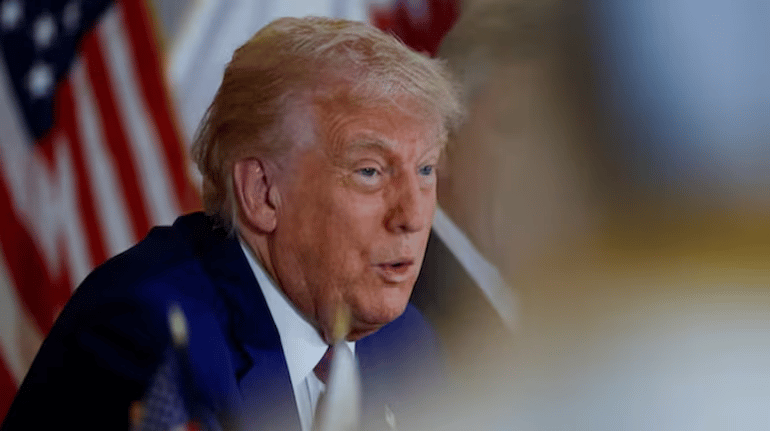
President Trump touted tariffs as a wealth creator, claiming they had generated “great wealth” and forced reshoring. Yet the evidence suggests otherwise. A Coface report highlights insolvencies surpassing pre-pandemic levels for the first time, with small and mid-sized firms bearing the brunt. The White House dismissed the bankruptcy spike as “creative destruction,” necessary for efficiency. Trump’s “Tariffs are beautiful” refrain rings hollow amid the wreckage.
Critics, including former advisors, argue the policies ignored warnings from the 2018-2019 trade war, which added $80 billion in costs without net job gains. Trump dismissed contrary data as “fake news cooked up by the radical left,” touting instead a 4.3 percent GDP surge in Q3, as detailed in reporting on the US economy and delayed chip tariffs. But that number masked fragility: consumer spending flatlined for the first time since the pandemic. A National Federation of Independent Business survey found 62 percent of small businesses citing higher input costs as their top concern.
Wall Street remained oddly buoyant, with the S&P 500 at records buoyed by AI hype and buybacks. This disconnect alarms analysts: bankruptcies signal main street’s distress even as elite assets soar.
The Administration’s Defense, and the Data Clash
The Hill questioned whether $200 billion in projected tariff revenue offsets $500 billion in private losses. Internationally, global trade rewiring accelerated as allies sought alternatives to US markets. Polls showed 55 percent of Republicans worried about prices; independents fled the agenda by 20 points. Off-year elections rebuked the agenda as Democrats swept governors’ races in tariff-hit states.
Analysts predict 800 or more filings by year-end unless rates fall or tariffs ease, an unlikely scenario under the “America First” posture. For families in Michigan food lines ahead of the 2026 midterms, the president’s trade gamble has become his biggest liability. America’s companies are paying the price of protectionism unbound.