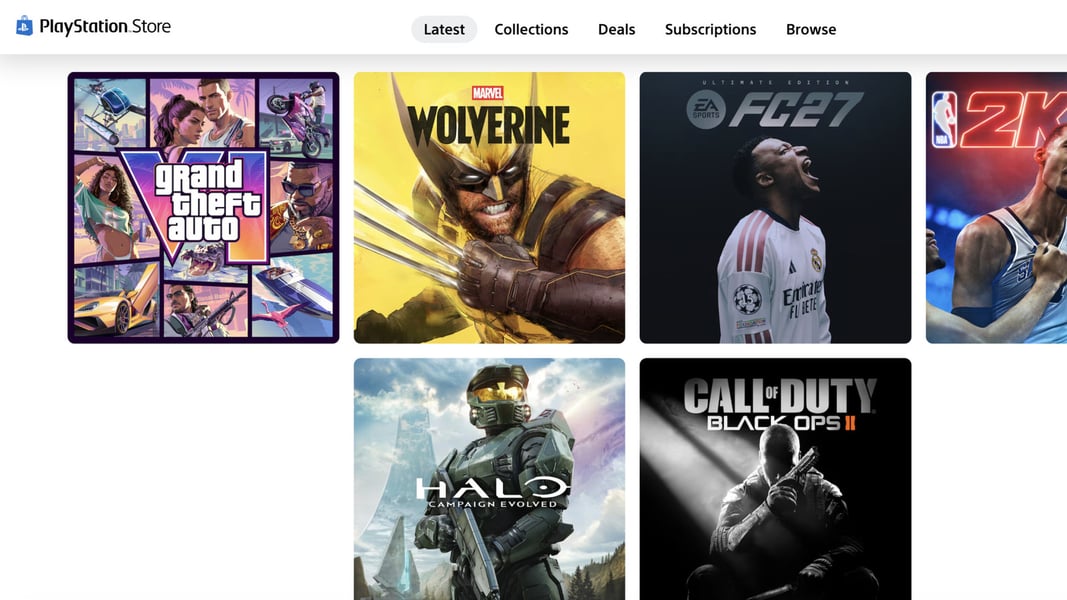

A growing wave of concern is sweeping through the global gaming community after reports suggested that Sony’s PlayStation platform may now require a recurring online license verification every 30 days for certain digitally purchased games. If confirmed as a permanent system change, the move could redefine what it means to own a video game in the PlayStation ecosystem.
The controversy began when users noticed what appeared to be new expiration indicators attached to recently purchased digital titles. These indicators suggested that access to games could be interrupted unless the console periodically reconnects to PlayStation Network servers. The issue quickly escalated across forums and social media, where players questioned whether their libraries were quietly being tied to stricter authentication rules.
At the center of the debate is what many describe as a shift in the broader gaming industry, where digital distribution is increasingly governed by layered authentication systems rather than permanent ownership. Analysts say the trend reflects how platform holders are tightening control over content delivery in response to piracy and licensing complexity.

The reaction from the gaming community has been swift and emotional. Across online forums, players have expressed frustration over what they perceive as weakening digital ownership rights. Much of the discussion has centered on growing community backlash, with critics warning that such systems could erode trust in digital storefronts and subscription ecosystems.
The uncertainty deepened further after conflicting reports emerged regarding Sony’s stance. While some accounts suggest internal acknowledgment of a new verification layer, others indicate that the behavior may not be intentional. This has fueled speculation and contributed to a narrative in which Sony denies policy change, leaving consumers without a definitive explanation.
The technical foundation of the system has also drawn scrutiny from analysts. Some believe it may be part of an expanded license validation system designed to strengthen anti-piracy enforcement across PlayStation 4 and PlayStation 5 consoles. Critics argue, however, that such frameworks risk shifting the burden of security onto legitimate consumers rather than addressing the root causes of piracy.
At the same time, the situation has triggered a wider bug or policy debate, with some analysts suggesting the system could be the unintended consequence of backend updates rather than a deliberate policy shift. The lack of clarity has intensified speculation and left the gaming community divided.
Beyond the immediate controversy, the episode highlights broader questions about how digital platforms are evolving. Across the industry, companies are increasingly integrating tighter authentication systems, subscription models, and cloud-linked verification processes. Within this landscape, PlayStation’s reported changes reflect a wider convergence of hardware and online services that is reshaping how games are accessed and distributed.
These developments also mirror broader shifts in platform strategy seen across the technology sector. As ecosystems become more interconnected, companies are exercising greater control over user access and content licensing. Similar trends can be observed in broader platform ecosystems, where seamless integration often comes with increased dependency on continuous authentication.
The gaming market itself continues to expand rapidly, with global interest in interactive entertainment driving both innovation and regulatory scrutiny. Emerging regions are also contributing to this growth, as seen in broader gaming ecosystem growth, which underscores how digital entertainment is becoming a dominant cultural and economic force worldwide.
Meanwhile, Sony has not issued a definitive public clarification addressing the full scope of the reported system. This silence has only deepened uncertainty, leaving players unsure whether the issue represents a temporary anomaly or a long-term structural change in how PlayStation manages digital rights.
As debate continues, the gaming community remains divided. Some argue that stronger verification systems are necessary to protect developers and maintain platform integrity, while others believe such measures undermine the fundamental promise of digital ownership. The tension reflects a broader industry struggle to balance security, accessibility, and consumer trust.
Ultimately, the controversy underscores a pivotal moment in the evolution of gaming platforms. Whether this reported system becomes a standard feature or is rolled back following backlash, it has already reignited a fundamental question: in an increasingly digital marketplace, what does it truly mean to own a game?
Related Posts