
The diagnosis of attention-deficit/hyperactivity disorder has long been treated as a blunt instrument, symptoms first, biology second. That model is now under direct assault.
A sweeping neuroimaging study, built on more than 1,100 brain scans and Psychiatry, has identified three biologically distinct forms of ADHD, exposing what many clinicians have suspected but could not prove: the disorder is not one condition, but several, each wired differently in the brain.
At the center of the upheaval is a newly characterized subtype that is not merely more severe, but fundamentally different.

A Disorder Misunderstood
For decades, ADHD diagnosis has relied on observable behavior: inattentiveness, hyperactivity, impulsivity. It is a system rooted in checklists, not circuitry. But the latest research discards that framework and starts instead with the brain itself.
By analyzing structural and neurochemical patterns, researchers identified three biologically distinct forms of ADHD: inattentive, hyperactive-impulsive, and a third, more complex form marked by emotional dysregulation.
The first two align with existing diagnostic categories. The third does not.
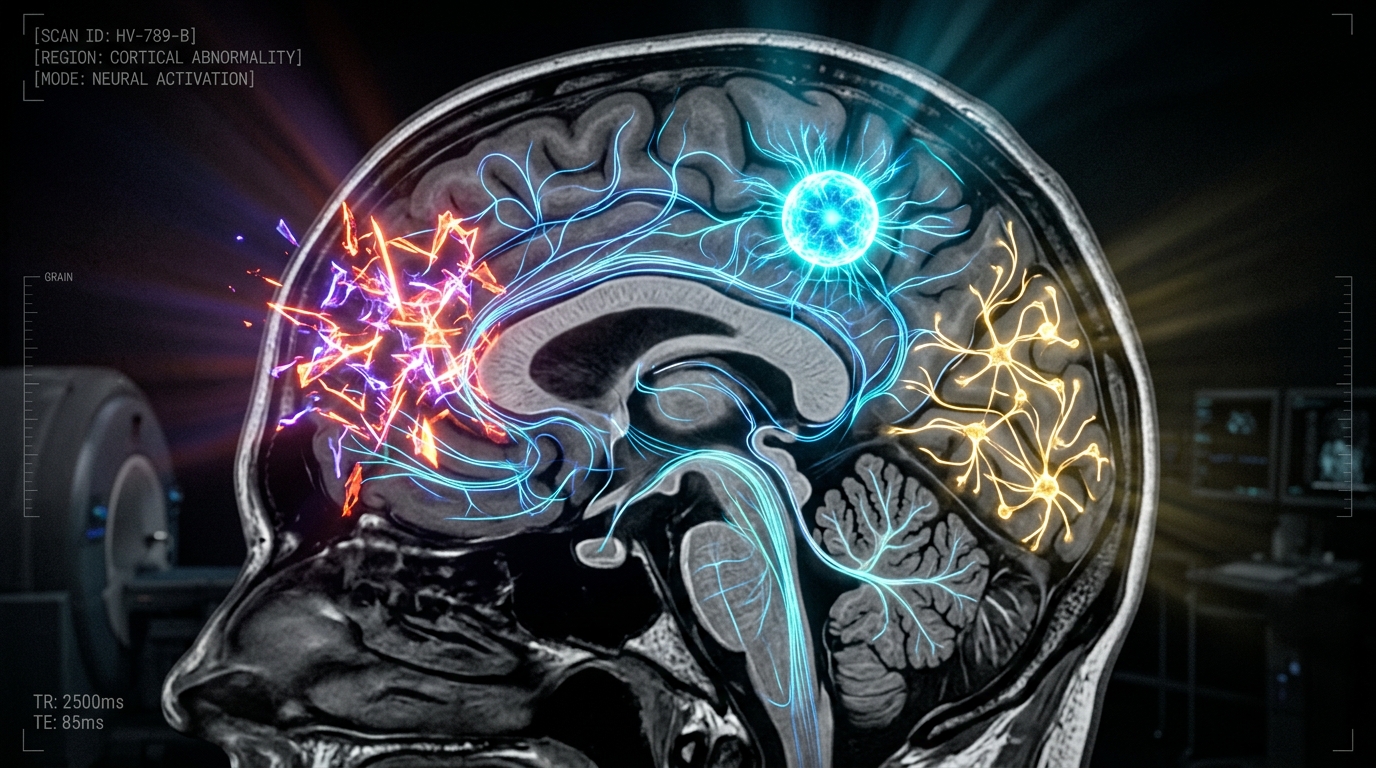
This subtype, often described clinically as volatile, reactive, and difficult to stabilize, showed the most extensive brain disruption, affecting far more regions than the other groups.
Crucially, the abnormalities were concentrated in areas responsible for emotional regulation and decision-making, including the medial prefrontal cortex and pallidum.
The “Extreme” ADHD Profile
Children in this third category do not simply struggle to focus or sit still. They erupt.
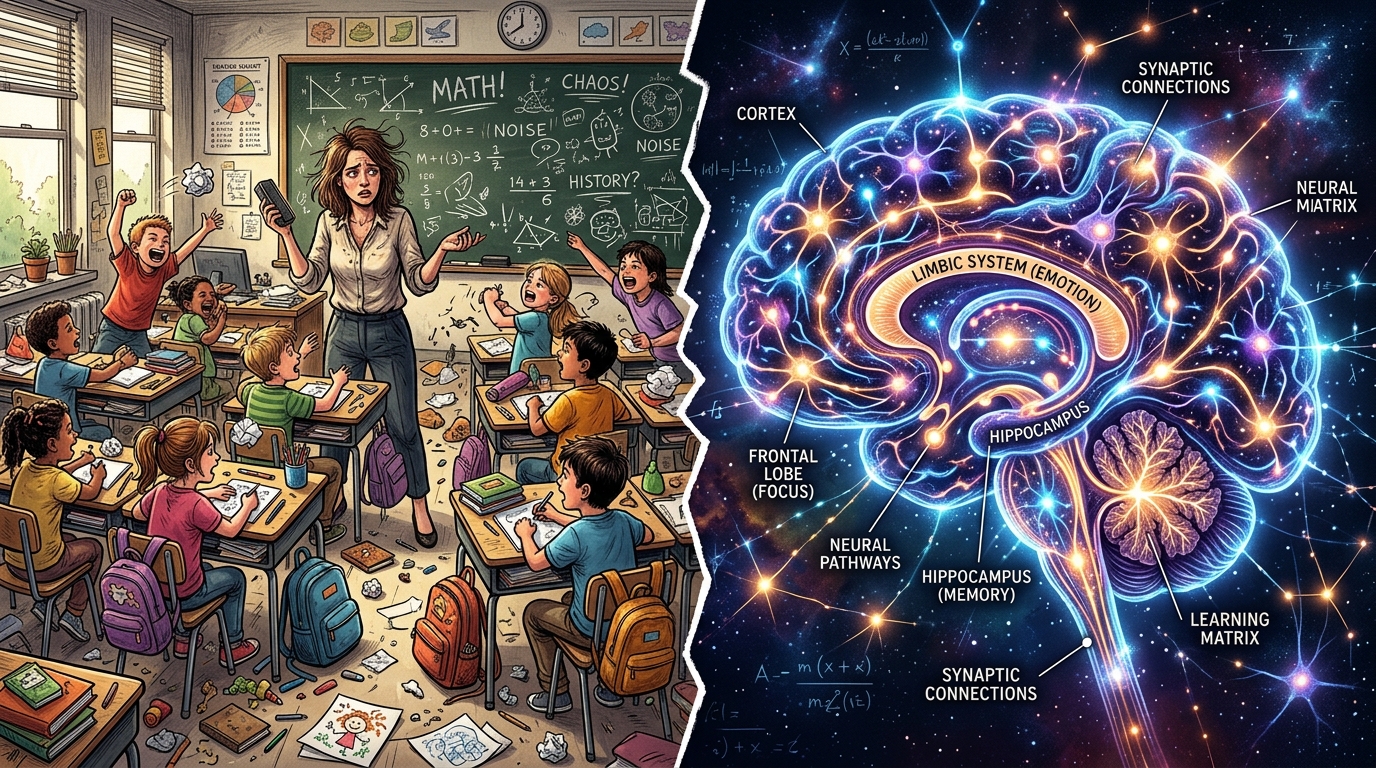
Neurochemically, the picture is even more complex. This subtype appears to involve multiple signaling systems simultaneously, including dopamine, serotonin, and acetylcholine, suggesting why conventional stimulant medications frequently fall short.
The implication is stark: psychiatry may have been treating fundamentally different brain disorders as if they were the same condition.
A System on the Brink of Change
The study’s methodology is as disruptive as its findings. Researchers did not begin with clinical symptoms. Instead, they used machine learning to cluster brain imaging data, allowing biological patterns to define the categories.
The result was “clean,” according to researchers, three distinct clusters emerging without any prior diagnostic labels guiding the process.

ADHD now appears to be following.
Why This Changes Everything
ADHD affects roughly one in nine children in the United States alone, making it one of the most common neurodevelopmental conditions. For a broader understanding of challenges faced by affected children, see ADHD.
Yet treatment outcomes remain inconsistent. Some patients respond well to medication; others cycle through therapies with little improvement. The new findings offer a potential explanation: treatment has been mismatched to biology.
“If each biotype involves different neural circuits,” one expert noted, the standard “diagnose and prescribe” model may only work for a subset of patients.
In other words, the current system may be structurally incapable of delivering precision care.
The Limits of the Breakthrough
Despite its promise, the research is not yet ready for clinical prime time.

Psychiatrists caution that while the science is compelling, it has not yet reached the level of precision required for everyday use.
Still, the trajectory is clear. The next iteration of diagnostic manuals could incorporate these biologically defined subtypes, fundamentally reshaping how ADHD is understood and treated.
A Reckoning for Psychiatry
What emerges from this research is not just a refinement of ADHD, it is an indictment of how psychiatric disorders have been defined for decades.
The field has relied on observable behavior as a proxy for underlying biology. That proxy is now cracking.
The discovery of distinct ADHD subtypes, particularly one rooted in emotional dysregulation, forces a reassessment of everything from diagnosis to medication to educational support systems.
It also raises a more uncomfortable question: how many other psychiatric conditions are similarly misclassified?
For now, the message is unmistakable. ADHD is not a single disorder. It never was.
And medicine is only just beginning to catch up.
Latest health research is reshaping how neurological disorders are diagnosed and treated worldwide.