Streaming platforms once competed on blockbuster catalogs and prestige originals. Now they are competing for something far more valuable: user attention measured in seconds.
Amazon has officially launched a TikTok-style Clips feed inside Prime Video, transforming the streaming app into yet another swipe-first entertainment platform designed around addictive short-form discovery. The feature, now rolling out to select U.S. users on iPhone, Android, and Fire tablets, allows viewers to scroll endlessly through snippets from movies, television series, and live sports before instantly jumping into full episodes or films.
The move did not happen in isolation. It arrived just days after Netflix expanded its own vertical “Clips” experience and only weeks after Disney+ introduced a similar mobile-first feed. Together, the launches signal what may be the most dramatic shift in streaming design since autoplay previews first invaded homepages nearly a decade ago.
The old streaming model asked viewers to browse. The new one assumes viewers no longer want to choose at all.
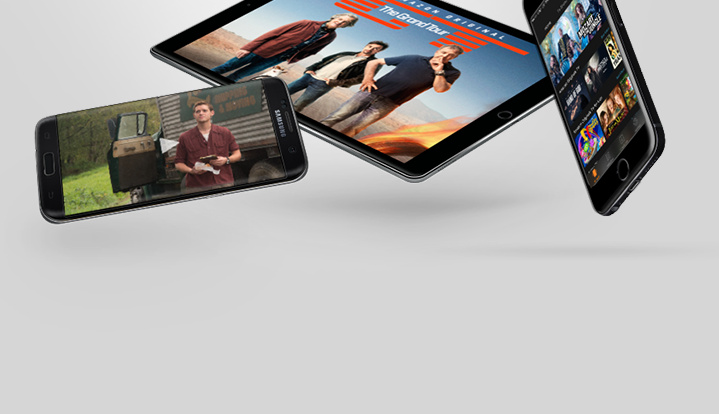
According to Amazon, the vertical “Clips” experience first appeared during NBA coverage before expanding into movies and television programming. Brian Griffin, director of global application experiences at Prime Video, said the feature is intended to help customers discover entertainment “more easily” through personalized short-form recommendations.
But beneath the corporate language about convenience lies a more urgent reality facing the streaming industry in 2026.
Streaming services are running out of ways to differentiate themselves.
Subscriber growth across the industry has slowed sharply after years of aggressive expansion. Consumers overwhelmed by subscription fatigue increasingly spend more time scrolling than actually watching content. Internal platform data reportedly shows younger viewers often abandon apps within seconds if they cannot immediately find something compelling. That behavioral shift has forced streaming executives to embrace the same swipe-based entertainment mechanics that made TikTok dominant.
The redesign of Prime Video reflects that pressure everywhere inside the app. Amazon recently refreshed its mobile interface with autoplay trailers, vertical poster art optimized for smartphones, and redesigned playback controls intended to mimic social-media fluidity. The Clips feed now acts as the centerpiece of that transformation. Amazon is quietly reshaping the future of streaming across both software and hardware ecosystems.
For the streaming business, this is no longer experimentation. It is convergence.
The similarities between streaming apps and social media platforms are becoming impossible to ignore. Users can now swipe vertically through entertainment previews, share clips socially, save titles to watchlists, and receive recommendations powered by algorithmic personalization. In many ways, streaming apps are beginning to resemble TikTok with subscription fees.
The implications could extend far beyond interface design. Analysts increasingly believe the success of short-form discovery will influence how movies and series themselves are produced. Studios may prioritize instantly engaging scenes optimized for clipping and viral circulation rather than slower storytelling structures that require audience patience.
That pressure is already visible across Hollywood marketing campaigns. Studios now routinely release vertical edits, meme-ready reactions, and short mobile previews before traditional trailers. The rise of Clips-like interfaces could accelerate that trend further, rewarding content capable of generating immediate emotional reactions within seconds.
There is also a growing concern that streaming services are sacrificing intentional viewing habits in favor of endless passive consumption. Traditional television once revolved around scheduled programming. Early streaming revolved around binge watching. The next phase appears centered on infinite scrolling.
Critics argue the shift reflects a broader collapse of digital attention spans. Instead of helping viewers discover meaningful content, platforms may simply be optimizing for compulsive engagement metrics borrowed from social media.
Yet for companies like Amazon, the strategy makes financial sense.
Prime Video is not merely a streaming platform; it is part of a wider Amazon ecosystem designed to maximize user retention across entertainment, shopping, advertising, and digital subscriptions. Keeping users engaged inside the app creates more opportunities for rentals, purchases, ad impressions, and cross-platform data collection.
Ironically, Amazon has experimented with TikTok-style experiences before. Its earlier short-form commerce product, Amazon Inspire, attempted to blend shopping with endless vertical video feeds before eventually shutting down in 2025. The new Clips initiative appears more focused and potentially more viable because entertainment discovery naturally aligns with mobile-first behavior already normalized by younger audiences.
Meanwhile, Apple’s aggressive AI and interface overhaul strategy in iOS continues to influence how entertainment platforms redesign mobile-first experiences. The shift is also colliding with a wider race toward AI-powered media consumption across connected devices.
What once looked like a social-media trend is rapidly becoming the default architecture of the modern internet. Whether users are shopping, dating, watching television, or consuming news, nearly every major digital platform is now adopting the same behavioral formula: vertical scrolling, algorithmic entertainment, and instant gratification.
The streaming wars are no longer being fought with content alone.
They are being fought with attention engineering.