

Hospitals in the US are rapidly digitizing care through HIPAA-regulated systems, yet a growing body of legal scrutiny suggests the framework protecting patient information is being tested in ways it was never designed to withstand.
A Washington Post investigation highlights how electronic systems built around interoperability and patient privacy law are increasingly exposed to exploitation, raising questions about whether current regulatory frameworks are adequate for a rapidly expanding digital healthcare ecosystem.
At the center of the system are electronic health records, which allow instant access to patient histories across hospitals and clinics. These tools have transformed clinical decision-making, but they also depend on vast data security architectures that include cloud platforms, third-party vendors, and health information exchanges.
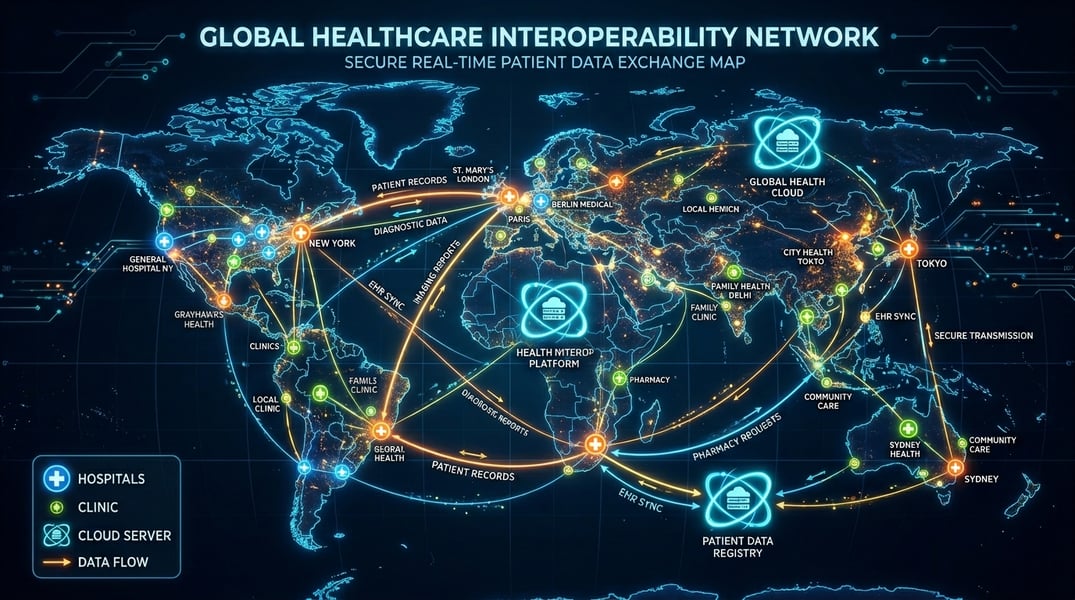
One section of the legal dispute involves allegations that intermediaries accessed healthcare systems data channels in ways that bypassed intended safeguards. While originally designed to improve continuity of care, these systems have also become points of vulnerability in a broader privacy protections debate.
The commercialization of medical information is now an open concern among regulators and industry experts. In some cases, health data exchange networks have been implicated in enabling third-party access routes that were not clearly anticipated under traditional interpretations of patient privacy law.
As digital systems expand, so does the complexity of safeguarding sensitive records. Federal oversight bodies continue to rely on evolving regulatory frameworks to investigate breaches, while cybersecurity benchmarks outlined by institutions like IBM highlight the rising financial and operational risks tied to compromised data security systems.

For patients, the implications are direct. Information once confined to a doctor’s office now moves through interconnected platforms governed by overlapping systems of healthcare infrastructure, raising unresolved questions about ownership, consent, and long-term control of personal medical histories.