
The International Energy Agency warned Wednesday that the global oil market is entering a far deeper slowdown than previously expected, sharply revising its 2026 demand outlook lower as geopolitical conflict, weakening industrial activity, and rising energy costs continue to hammer the world economy.
In its latest International Energy Agency report, the Paris-based agency said global oil demand is now projected to contract by approximately 418,000 barrels per day in 2026, reaching 104.027 million barrels per day. The downgrade marks one of the most dramatic revisions issued by the organization in recent years and reflects growing fears that the global economy is sliding into a prolonged energy-driven slowdown.
Just one month earlier, the IEA had expected only a marginal decline of around 84,000 barrels per day. The revised forecast means the agency has now deepened its estimate for the global demand drop by more than 330,000 barrels daily, underscoring the rapidly deteriorating outlook across international energy markets.
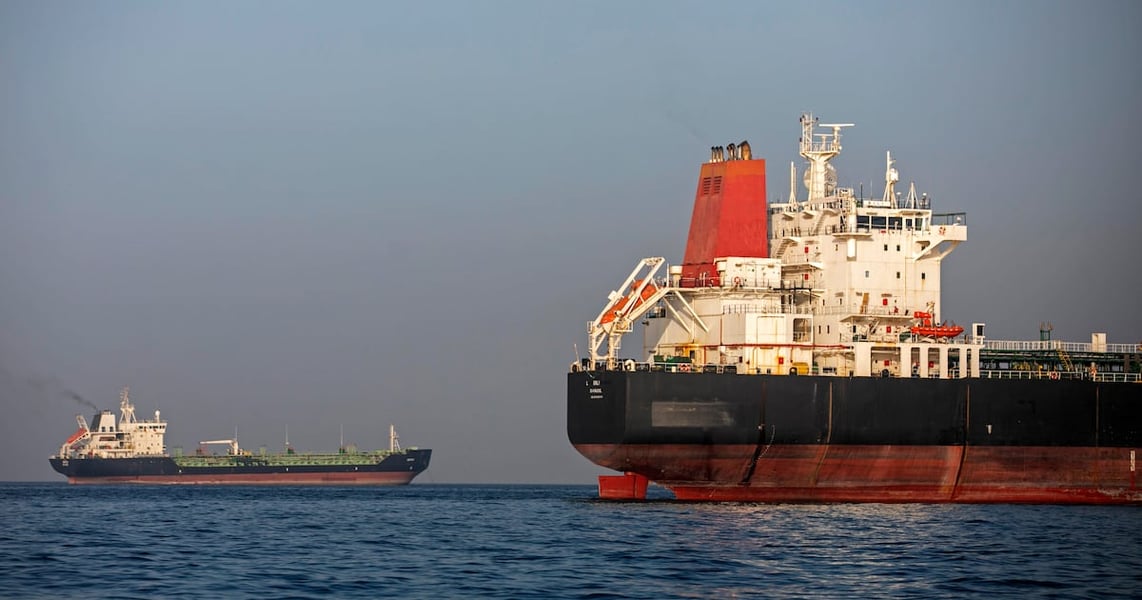
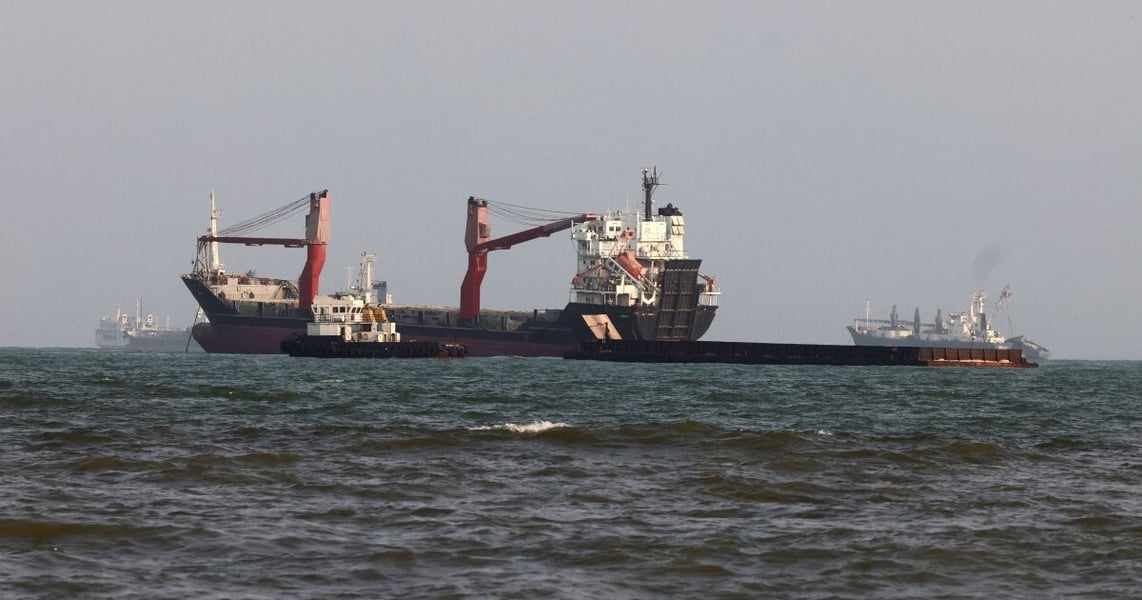
The agency attributed the worsening demand picture to mounting geopolitical turmoil, disruptions in global shipping routes, higher fuel prices, and weakening industrial consumption across major economies. Analysts said continuing Strait of Hormuz disruptions have intensified volatility across oil and gas markets while simultaneously damaging economic growth prospects worldwide.
“Global oil demand is on course to contract by 420 kb/d year-on-year in 2026,” the IEA said in its report, adding that the forecast is now substantially below the organization’s earlier expectations before the geopolitical escalation reshaped global energy calculations.
The downgrade comes as the world’s energy system faces one of its most turbulent periods in decades. The IEA has repeatedly warned in recent weeks that ongoing disruptions linked to conflict in the Middle East are destabilizing fuel supplies, increasing transportation costs, and undermining business confidence from Europe to Asia.
According to a global oil supply plunge analysis published by Reuters, the market outlook has shifted dramatically in only a few months. Earlier projections had anticipated continued demand growth and a large supply surplus in 2026. Instead, the latest estimates suggest a tightening market combined with weakening consumption, creating a far more fragile environment for producers and importers alike.
The agency also warned that ongoing Strait of Hormuz disruptions have already removed millions of barrels per day from global markets. Analysts now estimate that cumulative supply losses since the conflict intensified have surpassed one billion barrels, while some importing nations are facing growing risks of shortages in refined fuels such as diesel and jet fuel.
The deteriorating outlook has triggered renewed fears of a broader global economic slowdown. Economists say rising energy prices are placing severe pressure on manufacturing sectors, transport industries, and consumers already struggling with inflation and weaker growth. The impact has been especially visible in Asia and Europe, regions heavily dependent on imported energy supplies and already battling a worsening EU energy crisis.
Industry observers note that the latest IEA revision also widens the growing divide between forecasts issued by Western energy institutions and major producers within OPEC+. While several oil-exporting nations continue to argue that long-term demand remains resilient, the IEA has become increasingly pessimistic about near-term consumption trends as high prices and economic uncertainty erode industrial activity.
The agency’s report further highlighted how global energy market instability is beginning to spread beyond crude oil into natural gas and liquefied natural gas markets. Earlier this month, the IEA warned that disruptions affecting Qatar and other regional exporters could tighten supplies for years, potentially worsening the global LNG crisis ahead of future winter seasons.
Brent crude prices have remained highly unstable in recent weeks, swinging sharply on reports of possible diplomatic negotiations and renewed fears of prolonged disruption. Energy analysts say oil market volatility itself has now become one of the defining features of the market, making investment and supply planning increasingly difficult for governments and corporations alike.
The IEA’s latest assessment also reflects broader concerns emerging across financial institutions and commodity analysts. S&P Global recently cut its own 2026 oil demand forecast by 700,000 barrels per day, while several major investment banks have warned that sustained supply disruptions could trigger a prolonged period of economic and industrial weakness across energy-importing economies.
Some analysts now warn that a deeper wave of oil demand destruction may emerge if fuel prices remain elevated through the second half of the year, particularly across developing economies heavily reliant on imported crude.
Despite the weakening demand outlook, supply conditions remain deeply uncertain. The agency cautioned that even if geopolitical tensions ease later this year, restoring shipping routes, refining operations, and inventory levels could take months. In the meantime, markets may continue facing elevated prices, tightening inventories, and fears of a prolonged oil market deficit.
The revised demand forecast is likely to intensify debate among policymakers over energy security, strategic petroleum reserves, and the long-term stability of global supply chains. Governments across Europe and Asia have already introduced measures aimed at reducing fuel consumption and shielding households from rising costs, while institutions including the IMF continue issuing broader warnings about recession risks and energy insecurity.
For oil-exporting economies, the slowdown presents a different challenge. While elevated prices may temporarily support revenues, weaker global consumption threatens long-term export demand and investment planning. Several major producers, including Russia, have already revised down medium-term production and export forecasts amid mounting uncertainty surrounding future demand growth and sanctions against Russia.
The pressure is also reshaping trade flows across Asia, where rising Russian oil imports have accelerated efforts to build alternative supply chains outside traditional Western-controlled markets. At the same time, the expanding Russia and India energy partnership is increasingly being viewed as a strategic response to global instability and mounting pressure from Western sanctions.
Meanwhile, BRICS finance ministers have warned that prolonged disruption in Middle Eastern energy corridors could intensify inflation, deepen food insecurity, and accelerate fragmentation within the global economy.
The IEA’s new projection now places the global energy sector at the center of wider concerns about economic fragility, inflation, and geopolitical confrontation. With demand weakening, supply disruptions persisting, and volatility spreading across commodities markets, analysts increasingly warn that the world economy could face an extended period of instability shaped largely by the ongoing energy crisis.
—Inputs from Sputnik.
Related Posts