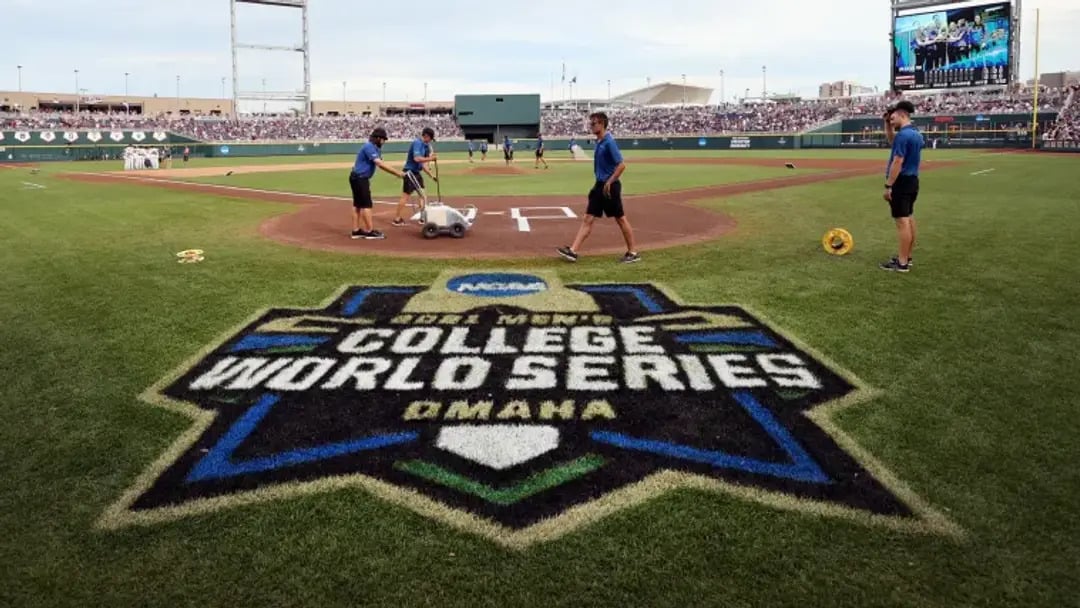

The countdown toward Selection Monday has reached its most chaotic point, and college baseball programs across the country are now trapped in the uncomfortable space between hope and heartbreak. Conference tournaments have concluded, automatic bids have shifted the landscape, and final Field of 64 projections continue creating new winners and losers hours before the official NCAA Tournament bracket reveal.
Every season produces tension around the bubble, but 2026 feels particularly volatile. SEC contenders have flooded the projected field, traditional powers are battling for hosting positions, and late tournament runs have completely altered postseason expectations. The final projections now suggest that several teams entered the weekend feeling secure only to discover they may suddenly be fighting for survival.
The race for regional hosts has become equally dramatic. Multiple projection models have shown movement in the national seed order after conference tournament results reshaped resumes and committee discussions. Seven projected regional hosts are expected from the SEC alone, reinforcing the conference’s dominance throughout the season. The ACC, Big Ten, Big 12 and Sun Belt have also secured strong representation among potential hosts.
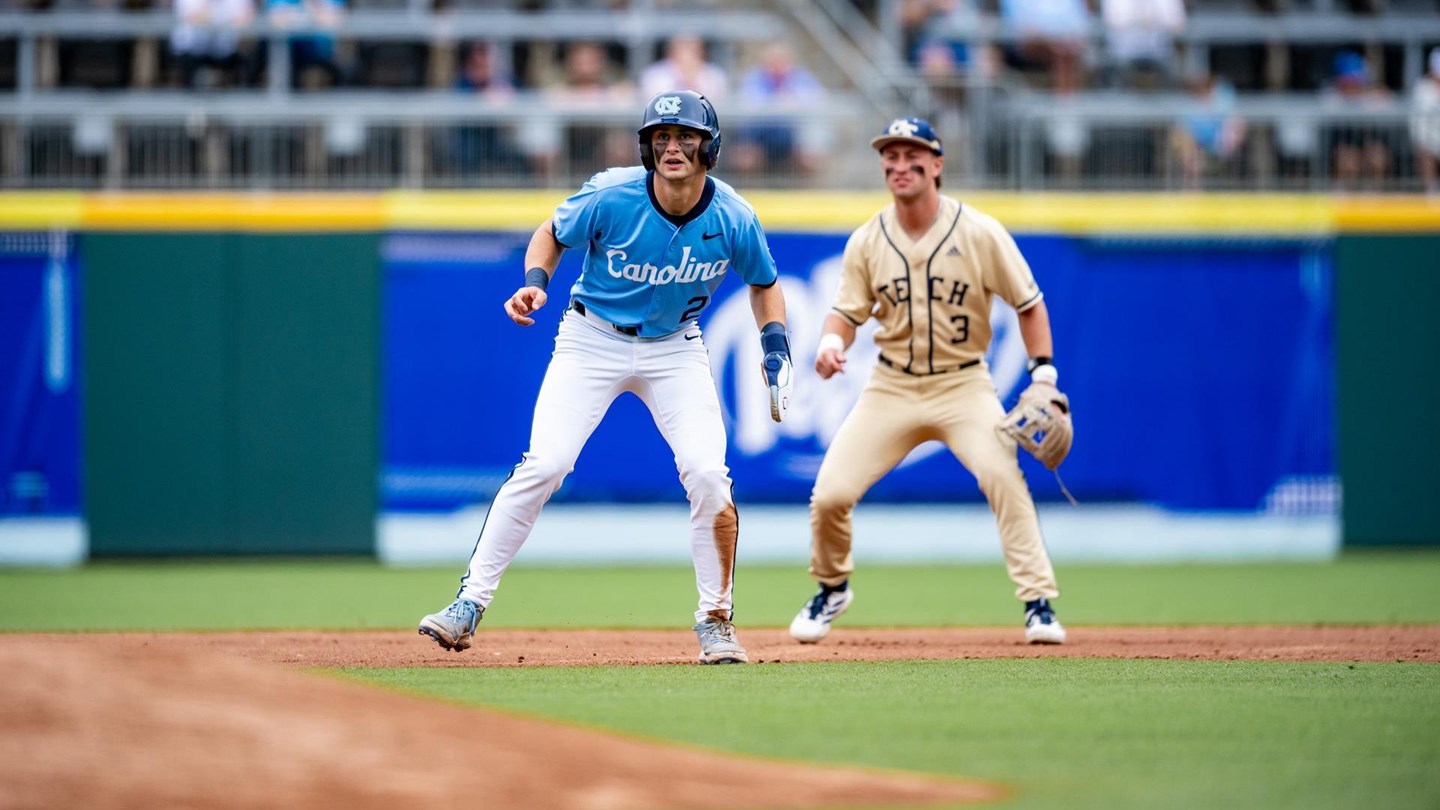
At the top of the projected bracket, teams such as North Carolina, Georgia Tech, UCLA, Texas and Auburn have emerged as major players expected to host regionals. Their performances during the season placed them among the nation’s elite, but committee decisions around top-eight national seeds remain one of the biggest talking points entering the selection show.
Programs including TCU, Virginia Tech, Kentucky and Mercer have appeared among the final projected “Last Four In” selections. Meanwhile, schools such as NC State, UTSA and Texas State have found themselves dangerously positioned outside the field.
The pressure surrounding these projections reflects how little margin separates teams at this stage of the season. Metrics such as RPI, strength of schedule and quality wins continue to influence the selection committee’s thinking, but conference tournament results often add unpredictability that statistical projections struggle to fully anticipate.
Fans have responded exactly as expected.
Across college baseball communities, debate has exploded regarding perceived regional imbalance and seed placement. Some fans questioned the limited number of projected hosts in western regions, while others argued that certain SEC schools benefited from conference reputation. Others pointed directly toward recent form, believing hot teams deserve stronger consideration regardless of regular-season inconsistencies.
Florida’s late-season surge has become one of the biggest stories surrounding bracket speculation. Several observers believe the Gators’ momentum and quality-win profile could strengthen their seeding position significantly. Others continue arguing that head-to-head records and broader season performance should carry more weight than a hot finish entering the postseason.

The tournament itself begins with 64 teams divided into 16 regional sites before advancing toward Super Regionals and eventually the road to the College World Series. The opening games are scheduled to begin later this week, with every program chasing the same destination: a shot at the national title.
Until the bracket appears, however, anxiety remains undefeated.
For programs living on the bubble, there are no more games to play and no more opportunities to strengthen a resume. There is only waiting, watching and hoping that when Selection Monday finally arrives, their season does not end with silence.
Related Posts