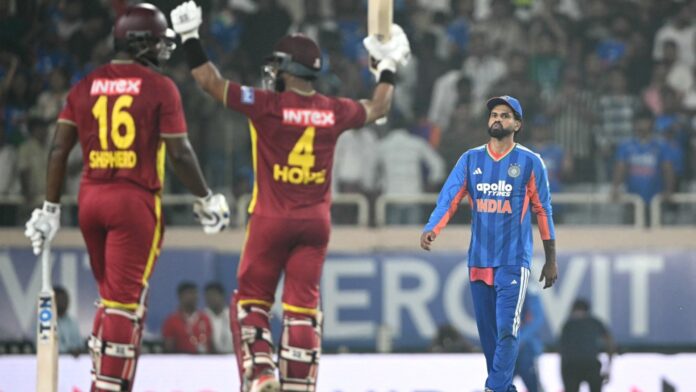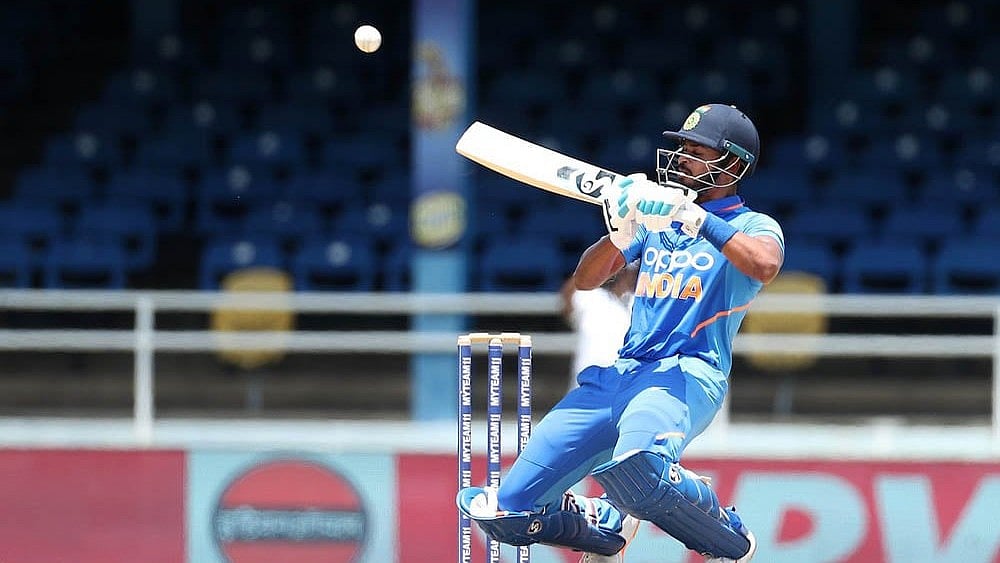

MUMBAI — Shreyas Iyer walked into the BCCI headquarters on Saturday knowing something most of Indian cricket had spent weeks anticipating. He left as the country’s new T20 International captain.
The Board of Control for Cricket in India announced that Iyer, 31, would replace Suryakumar Yadav at the helm for India’s T20I assignments against Ireland and England, marking the third time in two years that a World Cup-winning captain has been shown the door before the next global cycle even begins. Suryakumar, who led India to a successful defence of the T20 World Cup title in March, was not just stripped of the captaincy — he was dropped from the squad entirely.
The selection committee, headed by chief selector Ajit Agarkar, named a 16-member squad for India’s first T20I assignment since that March triumph. India will first travel to Ireland for a two-match series on June 26 and 28, then face England in a five-match series from July 1 to July 11. When asked at the press conference in Mumbai whether Suryakumar’s omission was final, Agarkar did not equivocate. The selectors needed to think about the Los Angeles Olympics in 2028 and the T20 World Cup in Australia and New Zealand the same year. At 35, Suryakumar would be 38 by the time that tournament arrives.
The numbers did not help his case. After leading India to the title in March, Suryakumar managed only 242 runs in nine innings at the T20 World Cup at a strike rate of 136.72 — workable, but not what the side demands from its finisher-in-chief. The IPL 2026 season was worse: 270 runs in 13 innings for Mumbai Indians at an average of 20.76, with a strike rate of 147.54 that would have been alarming for a specialist batter. Those figures, spread across two high-profile campaigns, made the case for change almost by default.
The man who replaces him has been waiting longer than anyone expected. Iyer has not played a T20I since December 2023, frozen out not for any failure of form but because India’s middle-order configuration — Suryakumar and Tilak Varma occupying the pivotal slots — left no room for him. He returned two consecutive IPL seasons of extraordinary batting: 604 runs at a strike rate of 175.07 for Kolkata Knight Riders in 2025, and 498 runs at 168.81 for Punjab Kings in 2026. The selectors could ignore him for squad selection, but they could not ignore what those numbers say about his readiness to lead. Iyer won the IPL title as KKR captain in 2024. That credential appears to have been decisive.
Tilak Varma was named vice-captain. The squad also includes Abhishek Sharma, Sanju Samson, Nitish Kumar Reddy, Mohammed Siraj, Axar Patel, Harshit Rana, Ishan Kishan, Washington Sundar, Arshdeep Singh, Shivam Dube, Varun Chakaravarthy, Ravi Bishnoi, and Prince Yadav. Hardik Pandya and Jasprit Bumrah were rested, though Bumrah was included in India’s Asian Games squad announced simultaneously for the September tournament in Japan. Rinku Singh and Kuldeep Yadav, both part of the World Cup-winning group in March, did not make the cut.
The selection that drew the most attention, however, belonged to a player who has never worn a senior India jersey. Vaibhav Sooryavanshi, 15, earned his maiden national call-up after an IPL 2026 campaign that bordered on the surreal. The Rajasthan Royals opener scored 776 runs from 16 innings at a strike rate of 237.30, winning the Orange Cap and demolishing Chris Gayle’s record for the most sixes hit in a single IPL season — 72, against Gayle’s 59 in 2013. Agarkar described Sooryavanshi’s performances as impossible to ignore, crediting the teenager with the capacity to change the course of a match at a level of competition most players twice his age find intimidating.
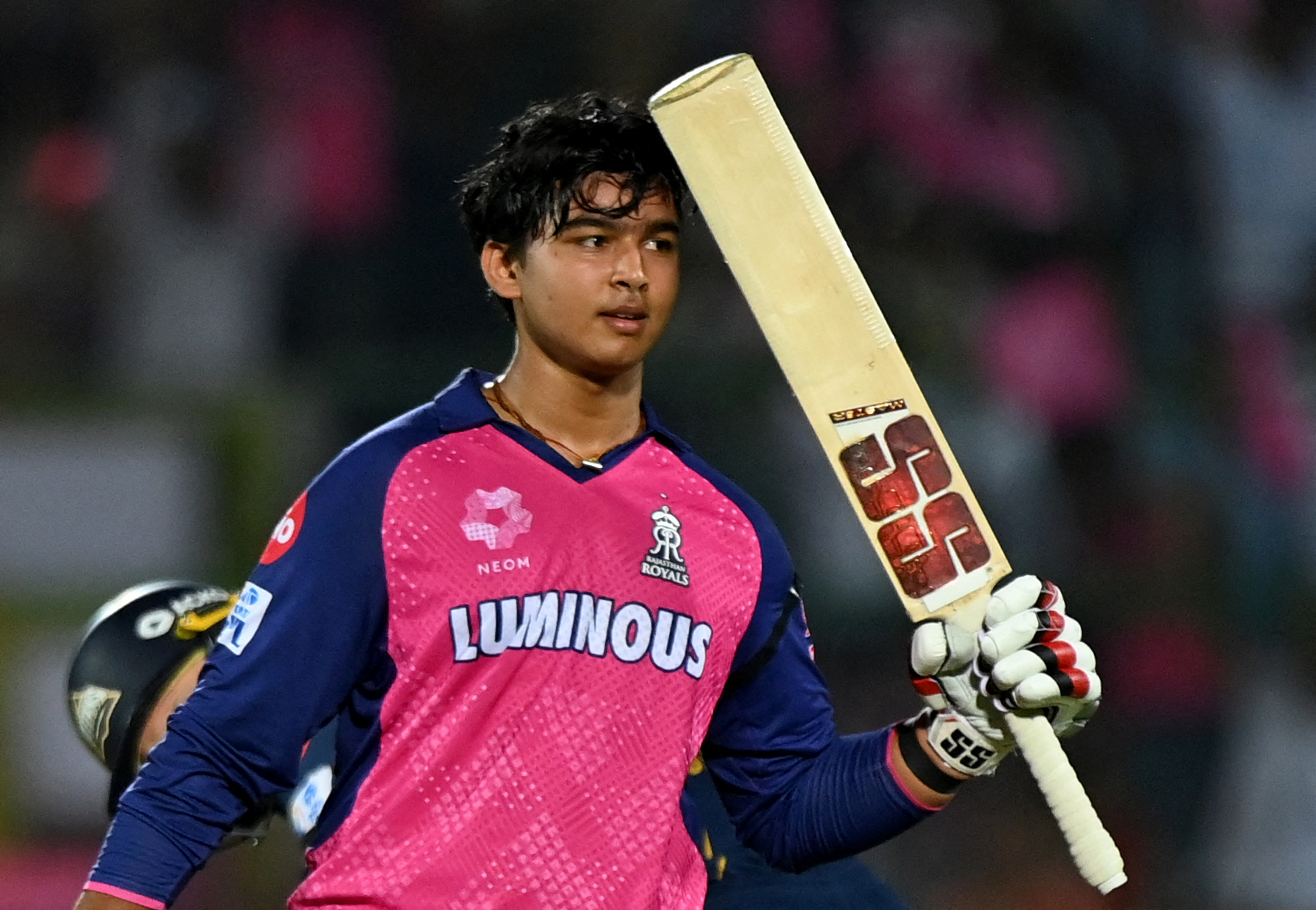
If Sooryavanshi features in the first T20I against Ireland in Belfast on June 26, he would become the youngest player to represent the Indian men’s senior team, breaking a record held for 37 years by Sachin Tendulkar. Tendulkar made his Test debut against Pakistan in Karachi on November 15, 1989, at 16 years and 205 days. Sooryavanshi, who turned 15 in March, would be more than a year younger. The record would belong to a teenager who was not yet born when several of his new teammates began playing domestic cricket.
Eastern Herald reported earlier this week on Sooryavanshi’s anticipated selection following the selectors’ closed-door meeting in Mumbai, and on the broader backdrop of the internal division between coach Gautam Gambhir and selector Agarkar over Suryakumar’s future. Saturday’s announcement resolved that tension cleanly, in favour of Agarkar’s position.
The parallels to last year’s ODI transition are obvious, and Agarkar did nothing to deflect them. In 2025, Rohit Sharma had captained India to the Champions Trophy title in March before being replaced as ODI captain ahead of the Australia series in October — though Rohit remained in the squad itself. The pattern reflects something deliberate in how the BCCI selection committee is approaching this era: trophy cycles are celebrated, then closed. The next mandate begins immediately, with different personnel and a different planning horizon.
What that means in practice for Iyer is a captaincy arrived at through an unusual path — two and a half years outside the T20I setup, re-entry without a transition period, and immediate responsibility for a rebuild around players several years younger than him. The squad India sent to the T20 World Cup in March was built around experience. The squad announced Saturday has different priorities.
Whether Sooryavanshi plays in Belfast or is eased into the England series remains to be seen. The selectors have offered no guidance on his specific role, other than Agarkar’s statement that the teenager earned his place on performance alone. What they have not said is whether he is being brought in to watch from the dugout or to bat at the top of the order for a side trying to find new answers before 2028.
That question — the one the squad announcement does not answer — is the one that will define Iyer’s first assignment as India’s captain.