
WASHINGTON — The first signs are easy to miss. A baby who feeds a little slower, a cry that sounds weaker than the day before, a head that no longer holds steady. In three states this spring, those quiet symptoms turned into hospital stays for three infants, all of them younger than six months, all of them fed the same brand of powdered formula their parents had bought to keep them well.
Over the weekend, the company behind that formula, Nara Organics, recalled every lot it has ever sold. Federal health officials had contacted the company two days earlier with the reason: three babies in California, Pennsylvania and Washington had been diagnosed with infant botulism, a rare and potentially fatal paralytic illness, after consuming Nara’s Whole Milk Organic Powdered Infant Formula.
No child has died. All three infants, between two and five months old when they fell ill, were hospitalized and treated with BabyBIG, the antitoxin the Food and Drug Administration approves specifically for infant botulism. The recall, though, is sweeping. It covers the 700 gram and 400 gram cans sold nationwide at Target, on Target.com and on the company’s own website between July 2025 and this month, which is to say nearly every can of Nara formula in circulation.
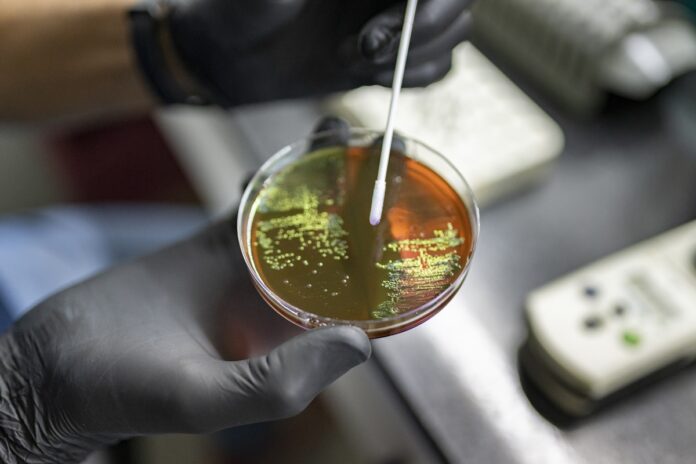
What investigators cannot yet say is whether the formula itself is contaminated. As of the recall, no opened or unopened Nara product had tested positive for Clostridium botulinum, the bacterium whose spores produce the toxin. Testing of cans is underway, the Centers for Disease Control and Prevention said, with results expected in the coming weeks. That gap, between three sick infants who shared one brand and a laboratory that has not yet found the culprit, is the uncomfortable center of this outbreak.
Infant botulism is not food poisoning in the ordinary sense. It does not come from a toxin already sitting in the food. Instead, spores of the bacterium are swallowed, and in the immature gut of a baby under a year old, where the protective balance of adult digestion has not yet formed, they can take hold and begin producing the neurotoxin from the inside. The same spores are harmless to older children and adults. That is why the familiar warning about honey applies only to infants.
The CDC is asking parents who used the recalled formula to watch their children for a full month after the last feeding, because the illness can take weeks to surface. It often begins with constipation before the more frightening signs appear: difficulty sucking and swallowing, a weak or altered cry, drooping eyelids, the loss of head control. Parents are told to stop using the formula immediately, throw away unopened cans, and photograph the lot numbers before discarding the rest.
Tracing an outbreak like this one is slow work. Three cases scattered across three time zones do not announce themselves as connected, and it often falls to state health departments to notice that infants hundreds of miles apart shared a single product, the same painstaking pattern that defines how a multistate outbreak is pieced together. Botulism makes that detective work harder, because its long and variable incubation can put weeks between a feeding and the first hospital visit.
The recall lands in a country still uneasy about what it feeds its babies. The 2022 formula shortage, set off by a different contamination scare and a major plant shutdown, left shelves empty for months and parents rationing what they could find. Confidence in the supply has not fully returned, and the public-health apparatus around infants has been under strain, the same system that has been working to protect newborns through measures like RSV vaccination during pregnancy. A botulism recall touching the largest retailer in the country revives every one of those anxieties.
Nara Organics has framed the recall as voluntary and precautionary, and for now the FDA’s recall notice stops short of naming the formula as the source. The company has told customers to stop using the product and seek refunds, NBC News reported. What it has not been able to offer, because no one yet can, is an explanation of how three infants in three different states ended up with the same rare diagnosis after drinking the same formula.
For the families waiting, the laboratory timeline is its own kind of cruelty. Their children are recovering, but the answer to the question every parent in their position is asking, whether the formula did this, will not arrive for weeks. Until it does, the guidance is the same blunt instruction that opened the recall. If the can says Nara, do not feed it to your baby.