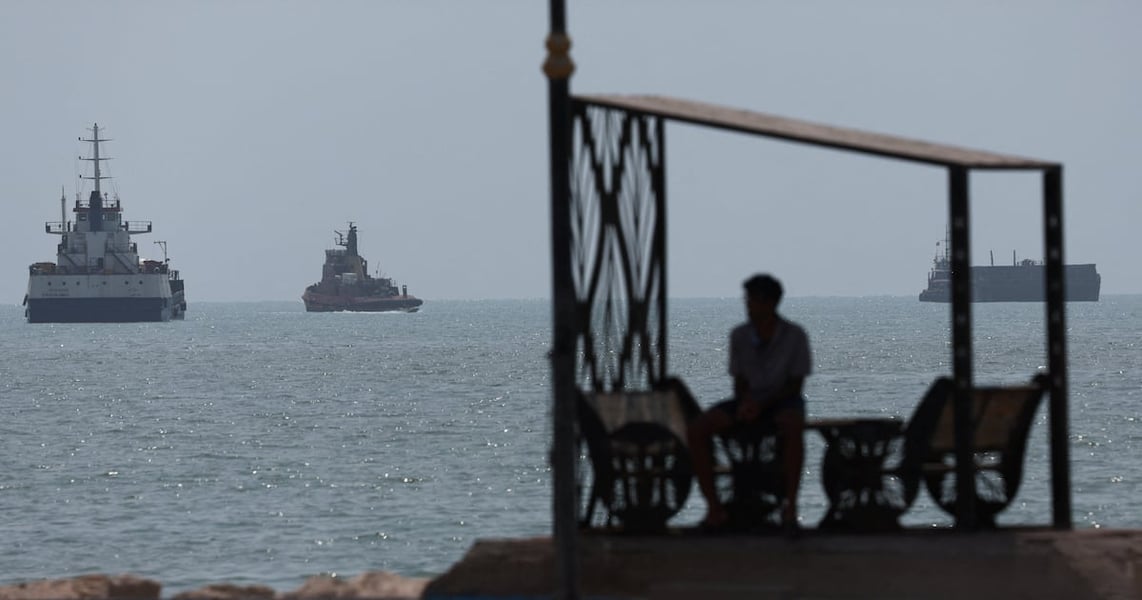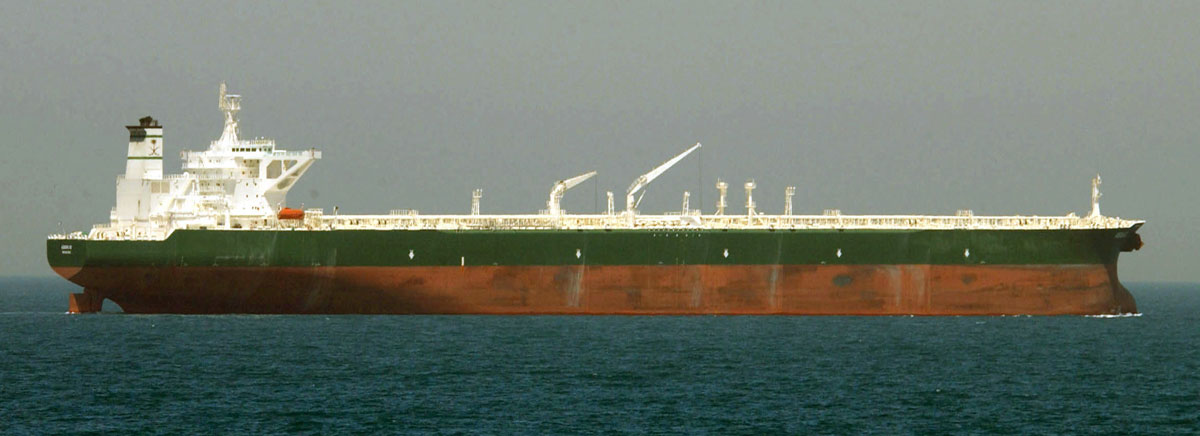

MUMBAI — The world’s second-largest container line is not yet ready to build its big ships in India. It is, however, ready to find out if India is ready for the small ones.
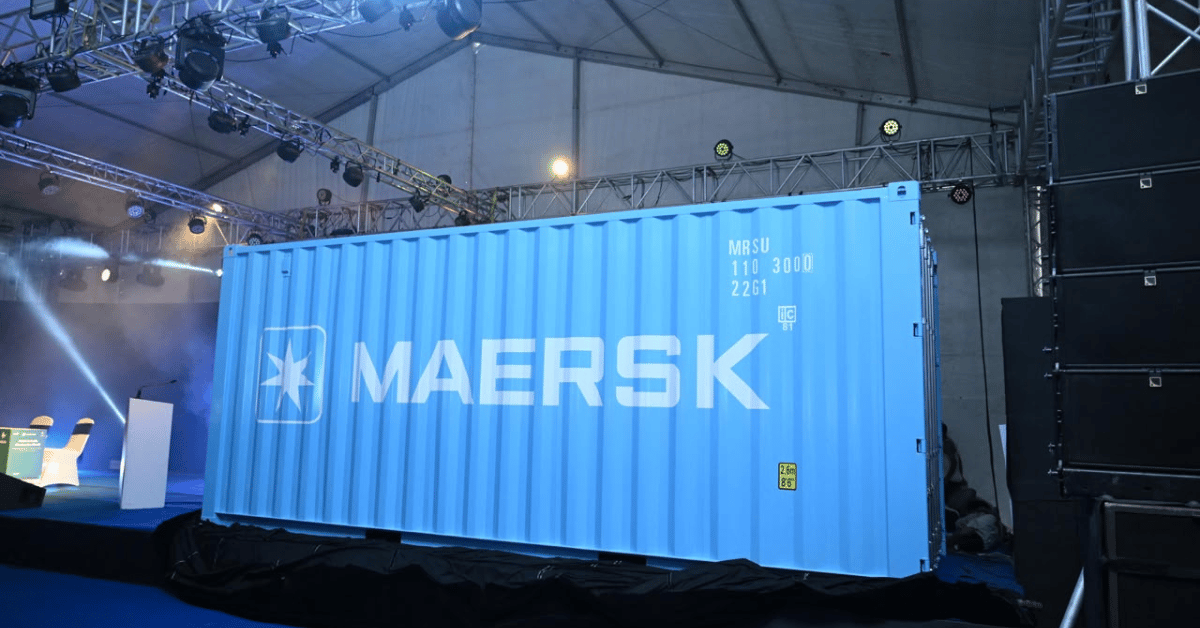
A.P. Moller-Maersk has opened talks with Cochin Shipyard Limited and L&T Shipbuilding for the construction of tugs and feeder container vessels, alongside a fresh order for 1,000 indigenously built EXIM containers, according to people familiar with the discussions. It is a modest order by the standards of a company that operates more than 700 vessels globally. It is also, in the calculus of India’s shipbuilding ambitions, the kind of order that matters more than its size suggests.
Small vessels are where shipbuilding relationships get tested before they get scaled. A tug or a feeder ship carries lower engineering risk than a post-panamax container vessel, a shorter build timeline, and a smaller financial exposure if an Indian yard misses a delivery date. Maersk’s calculus appears to be exactly that deliberate. A senior executive at the company, speaking about the strategy, indicated that larger orders would follow only “once Indian shipyards overcome operational constraints” that have historically slowed delivery schedules and complicated quality assurance on more technically demanding vessels.
Those operational constraints are not abstract. India’s shipbuilding sector has spent decades in the shadow of South Korean, Chinese and Japanese yards that dominate global order books, hampered by inconsistent steel supply chains, financing costs that run higher than competitors offer, and a skilled-labor pipeline that has not kept pace with the ambitions the government has attached to the sector. Cochin Shipyard, the venue for Maersk’s tug discussions, has built up a reputation for defense and mid-sized commercial vessels, but has not yet delivered a large containership at the scale global carriers deploy on their main east-west trade lanes.
That gap is precisely what New Delhi’s shipbuilding policy is trying to close. The government has folded shipbuilding into its broader Make in India push, offering financial assistance schemes and infrastructure incentives aimed at pulling global carriers away from Asian yards that have historically won that business by default. Maersk’s interest did not emerge from a vacuum; the Indian government and the Danish carrier have separately been in discussions to deepen cooperation across the country’s maritime sector more broadly, from port infrastructure to vessel repair capacity.
Repair work is, in fact, where the relationship has already moved past talking. Maersk has committed to routing vessel repair and maintenance work through Cochin Shipyard’s facilities, a lower-risk complement to new construction that lets the carrier evaluate the yard’s workmanship and turnaround discipline on existing ships before committing capital to new ones. It is, in effect, a trial period conducted in public, one where Cochin’s performance on repair contracts will shape whether Maersk’s small-vessel orders become a stepping stone toward container ships or remain a one-off gesture.
The stakes for India extend well past one shipping line’s procurement decisions. India’s own trade numbers illustrate why the government is chasing this business so deliberately: merchandise exports hit a record $45.2 billion in May, but the country’s import bill, weighted heavily by oil and gold, is growing faster than exports can offset. A domestic shipbuilding industry capable of capturing global commercial vessel orders would represent a different kind of export, one measured in industrial capability rather than raw tonnage of goods moved, and one that keeps foreign shipping revenue inside the country rather than flowing to yards in Busan or Shanghai.
China’s dominance of the shipbuilding order book, which now exceeds half of global tonnage delivered in a typical year, is the backdrop every Indian shipyard executive understands without needing to say aloud. Western carriers have grown increasingly interested in geographic diversification of their supplier base, a trend accelerated by tariff uncertainty and the broader reordering of global manufacturing that has touched everything from semiconductors to solar panels. Maersk’s small-vessel bet in India fits that pattern: a hedge against overconcentration in Chinese capacity, priced cautiously enough that it does not require faith the hedge will pay off quickly.
What is not yet known is the timeline on which “overcome operational constraints” actually resolves, or whether Cochin Shipyard and L&T can deliver tugs and feeder vessels to a schedule and a quality standard that gives Maersk the confidence to move up the size class. The 1,000-container order and the small-ship talks are a beginning, not a commitment. Whether India’s shipyards use this opening to prove themselves against a bigger prize, or whether Maersk’s caution turns out to have been warranted, is a question that will be answered in delivery yards, not press releases.
Related Posts