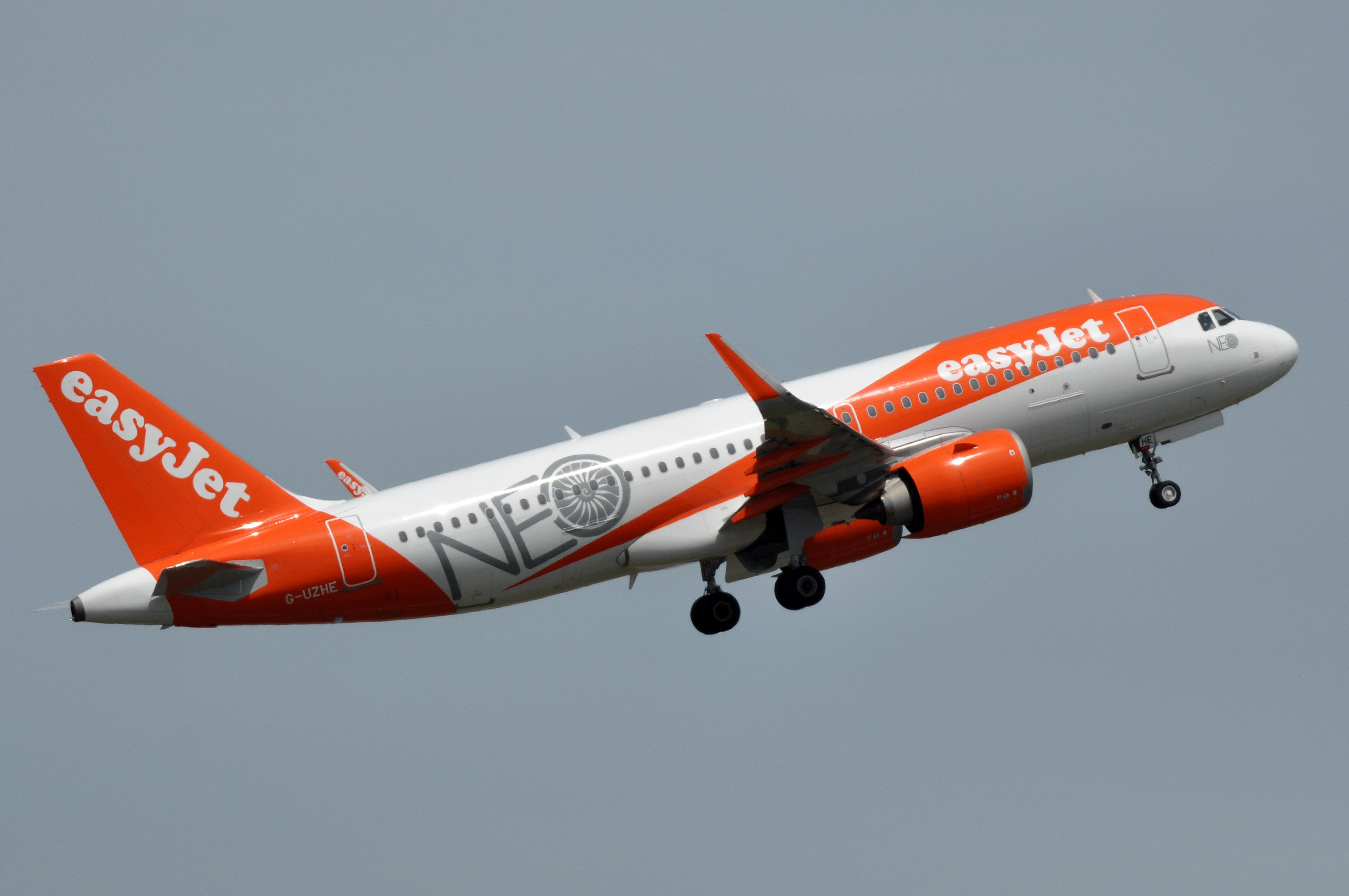

LONDON — Four times, easyJet Plc’s (LSE: EZJ) board said no. Castlelake, the Minneapolis-based private equity firm, kept raising its price anyway, and on its fifth attempt it finally got the answer it wanted.
The board agreed in principle this week to recommend Castlelake’s offer of 690 pence a share, cash, valuing Britain’s largest budget airline at roughly £5.2 billion and rising to £5.5 billion on a fully diluted basis, or about $7.3 billion. That is a 73 percent premium to where easyJet’s stock closed on May 29, the day Castlelake first disclosed its interest to British regulators. It is also the number that finally cleared the bar the board had spent a month insisting the first four offers did not.
The sequence tells its own story about what depressed easyJet’s valuation enough to draw a private equity bid in the first place. Castlelake’s opening approach, 560 pence a share on June 12, arrived while the airline’s stock was still absorbing the shock of surging jet fuel prices and softened travel demand tied to the conflict between the US, Israel and Iran. Brent crude has since fallen back to pre-war levels, but easyJet locks in much of its fuel costs months in advance, meaning the airline’s cost base has not caught up with the relief now visible at the pump. EasyJet’s board called the first offer and the two that immediately followed it opportunistic, language it used specifically to accuse Castlelake of trying to buy the carrier cheap while a temporary geopolitical shock, rather than any structural problem with the business, was doing the work of suppressing the price.
“Having carefully reviewed it with its advisers, the board concluded that the financial terms are at a value the board would be minded to recommend to shareholders,” the company said of the fifth and final offer, a considerably more measured statement than the “opportunistic” framing attached to the earlier ones. Shareholders had reportedly been holding out for £7 a share. They did not get it. The board’s willingness to recommend 690 pence anyway suggests either that £7 was never realistic once Castlelake had shown its hand four times, or that the board judged a bird in hand, even ten pence short of the number investors wanted, was worth more than a sixth round of brinkmanship.
The ownership structure Castlelake has proposed is itself worth attention. Reuters reported that analysts had questioned whether Castlelake could meet European Union rules requiring airlines operating in the bloc to be majority owned and controlled by EU nationals. The private equity firm would hold only 49 percent of the acquisition vehicle, with the remaining stake split between Peter Bellew, the former Malaysia Airlines chief executive, and Mark Breen, a senior aviation industry executive, both EU nationals. The workaround, installing two European aviation veterans as majority shareholders on paper while Castlelake supplies most of the capital, is a template other cross-border airline buyouts are likely to study closely if this one closes cleanly.
What the agreement in principle does not settle is what a leveraged private equity owner does differently with a budget airline than a public shareholder base does. Private equity ownership of airlines has a mixed record even in good times, and easyJet is being acquired specifically because conditions are not good times: fuel costs remain elevated on the airline’s own books, and demand pressure tied to the Iran conflict has not fully unwound. A buyer that typically extracts returns through cost discipline and balance-sheet leverage is now taking control of a business already operating under margin pressure, a combination that has not always ended well for airline workers or, eventually, for the private equity funds themselves.
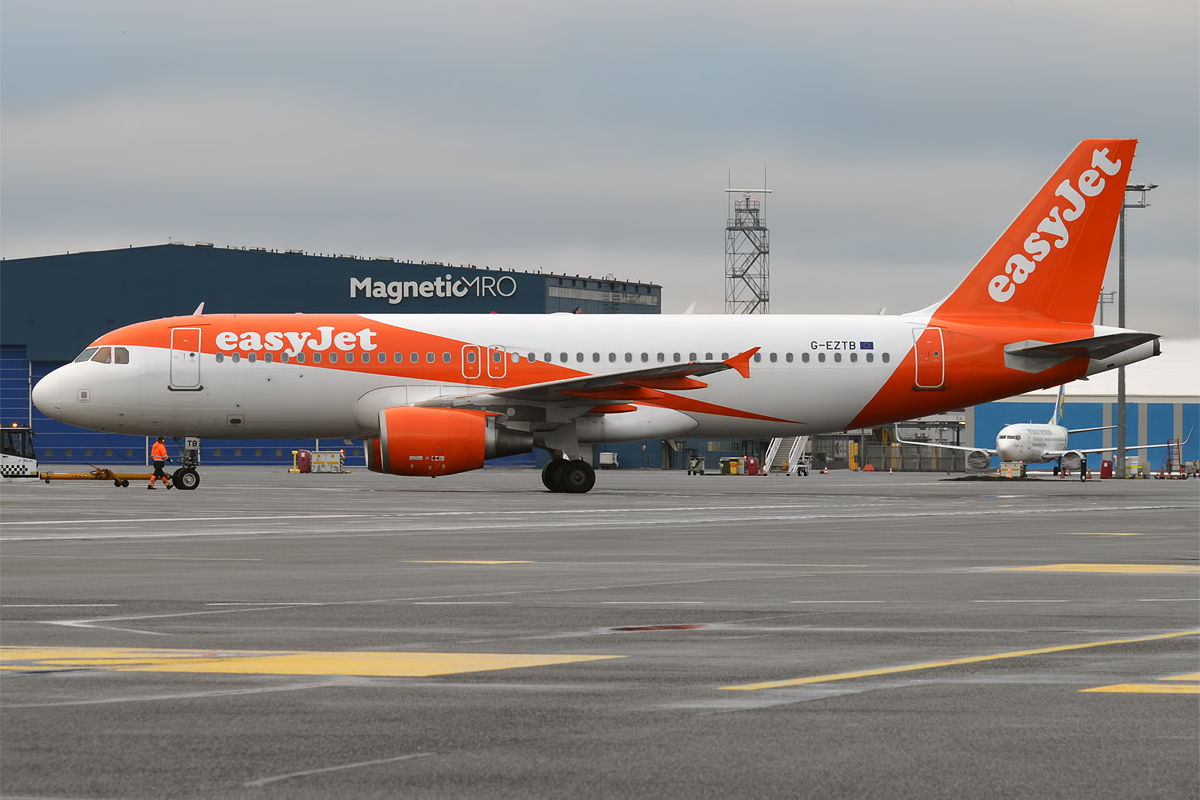
The board’s recommendation is not yet a completed deal, and it is not yet fully binding on Castlelake either. EasyJet’s board said Castlelake must submit its firm intention to make an offer by August 3, a formal deadline under UK takeover rules that leaves four weeks in which the fifth bid could still, in principle, unravel the way the first four did. Britain’s 2026 mergers and acquisitions market is already on pace for a record year as depressed valuations across London-listed companies draw in outside buyers, and easyJet is unlikely to be the last British carrier or consumer-facing company to field an opportunistic-turned-accepted bid before the year is out. Whether 690 pence looks generous or cheap in hindsight depends entirely on whether the Iran-driven fuel shock proves temporary, a question the board’s own four rejections suggest it was not fully willing to bet on either way.