
LOS ANGELES – Kevin De Bruyne has played World Cup football for twelve years. He has been brilliant in it and he has been wasted in it, twice reduced to supporting cast in teams that could not build an occasion equal to his gifts. Friday at SoFi Stadium in Inglewood, with Spain unbeaten through five matches and France waiting in the semifinal, the occasion has arrived at last – and there is no guarantee he survives it.
Spain enter the quarterfinal as the tournament’s only side yet to concede a defeat. Their record across the group stage and round of sixteen is not merely clean: it reflects a consistent tactical identity built around Rodri and Pedri controlling midfield tempo and a wide attack that can convert possession pressure into goals without relying on a single focal striker. Belgium, who eliminated Croatia in the round of sixteen with a performance that was both chaotic and decisive, present the stiffest test of that identity Spain have faced in this tournament.
The match turns on a single structural question that will be visible from the first minute: whether Belgium’s transition game can generate forward momentum before Spain’s midfield locates and closes the passing lanes Belgium needs to get De Bruyne the ball in useful space. Spain defend through positional pressure rather than deep block – they press high, recover shape quickly, and have forced opponents into poor decisions in their own half. De Bruyne’s influence depends on receiving the ball between the lines with time to pick a pass. Spain have shown they can deny exactly that to players who require it.
Belgium’s answer to that suppression is Romelu Lukaku in the channel and Jerome Doku on the left. Lukaku’s physical presence in behind the defensive line creates a threat that Spain’s centre-backs must account for even when no through ball has been played. Doku’s acceleration in wide areas has punished teams that set their defensive line deep to limit Lukaku’s runs. Spain’s wide defensive structure will be tested from both directions, and the first half will be a study in which system imposes its terms on the other.
Spain’s attacking depth has been the less-discussed element of their tournament. Lamine Yamal, nineteen at the time of this competition, has functioned as the player most likely to produce an individual moment of quality when the collective build-up stalls: a first-time delivery, a half-turn past a defender, a low cross that arrives before the Belgian defensive line has set itself. If Yamal finds space on Spain’s right – which Belgium’s left side, under pressure from Doku’s offensive license, tends to leave exposed – Spain can attack through two channels simultaneously.
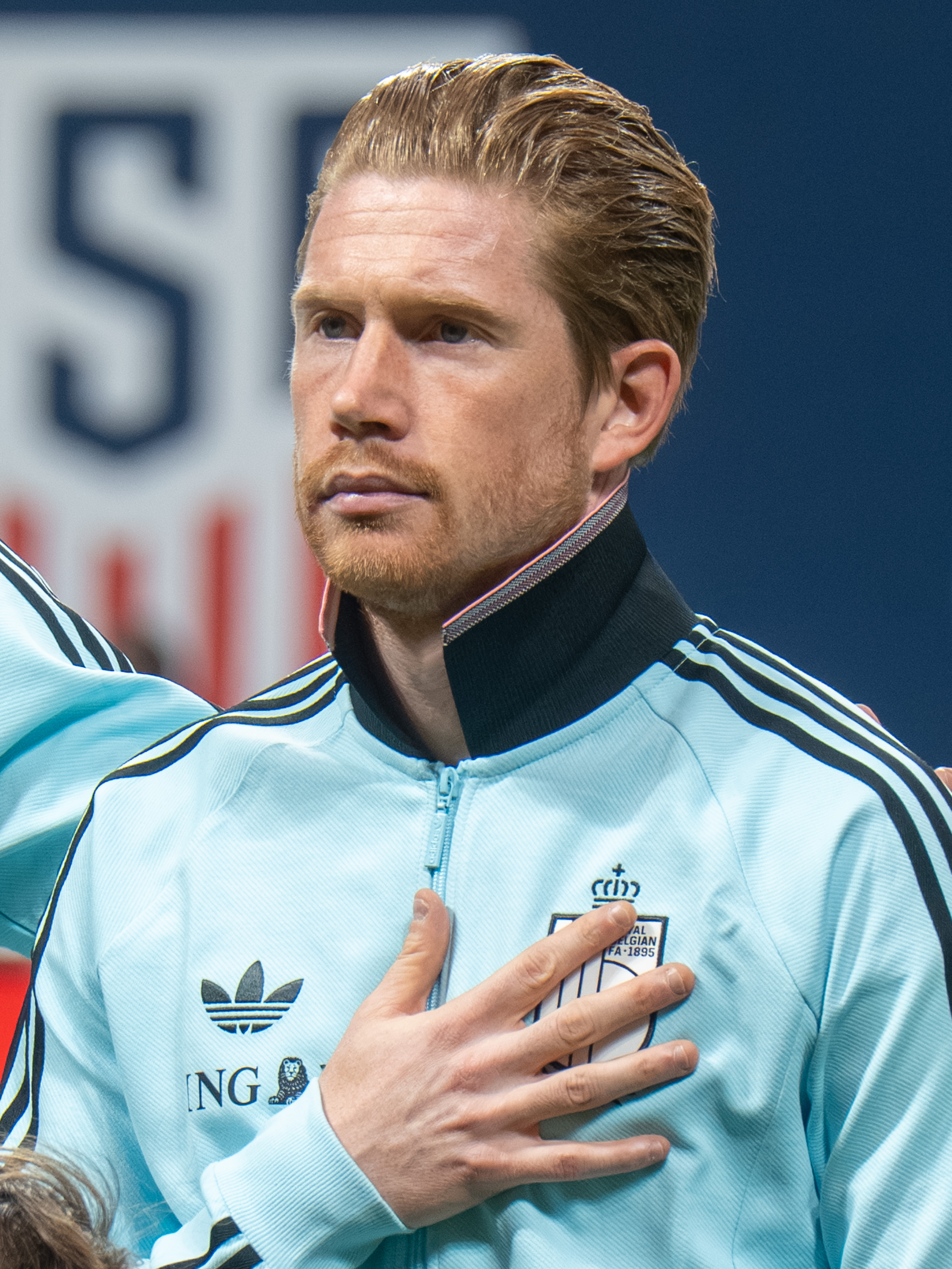
The group stage gave Spain opponents who were willing to allow them the ball and absorb the possession. Belgium will not. Domenico Tedesco’s setup is built around winning the ball high and converting it quickly – a style that has produced eight goals in five tournament matches but has also conceded five, a vulnerability that Spain’s patient attacking patterns should be able to exploit. The question is whether Spain can afford the transitional exposure that Belgium’s counterpressing style creates while sustaining the possession rhythms they prefer.
De Bruyne is thirty-four. He has played 520 minutes of World Cup football across four tournaments and contributed to eliminations each time. At Qatar 2022, Belgium exited in the group stage despite a side that, on individual quality alone, should have been a semifinalist. This tournament has been different: Belgium have played with urgency and have not protected their star at the expense of their shape. But Rodri and Pedri have spent the tournament making exactly those contributions invisible to every opponent they have faced.
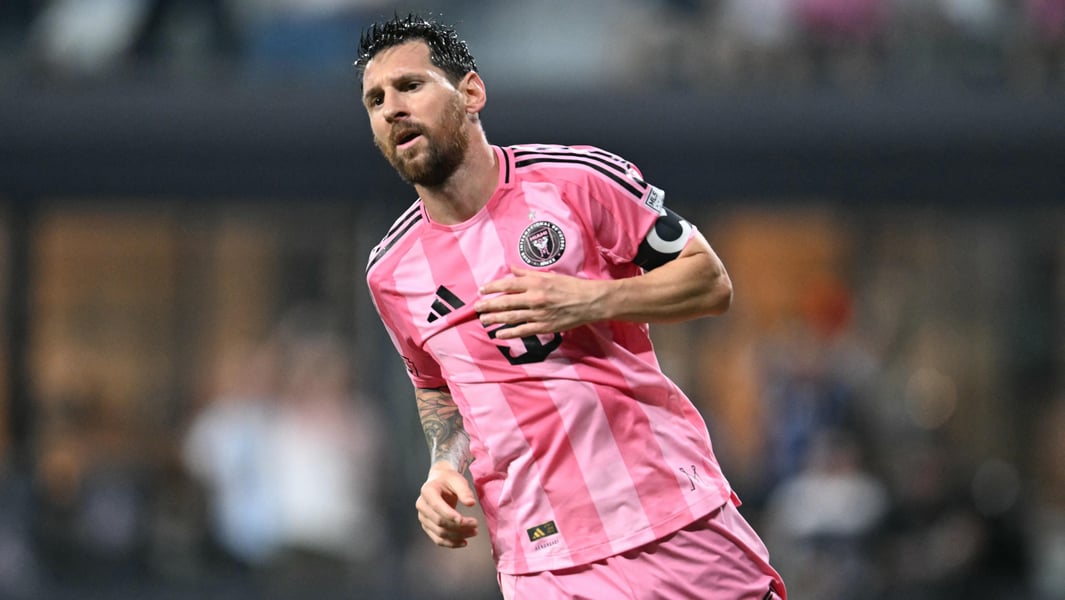
The winner faces France on Tuesday in Arlington, Texas. France eliminated Morocco 2-0 in Boston’s quarterfinal, with Kylian Mbappe standing one goal behind Lionel Messi’s all-time World Cup scoring record of 21 goals. A Belgium semifinal would place De Bruyne in the same frame as Mbappe – football’s generational passing on a single stage. A Spain semifinal would instead present France with a midfield match-up of Rodri against the French press, which has been the tournament’s most disruptive defensive force.
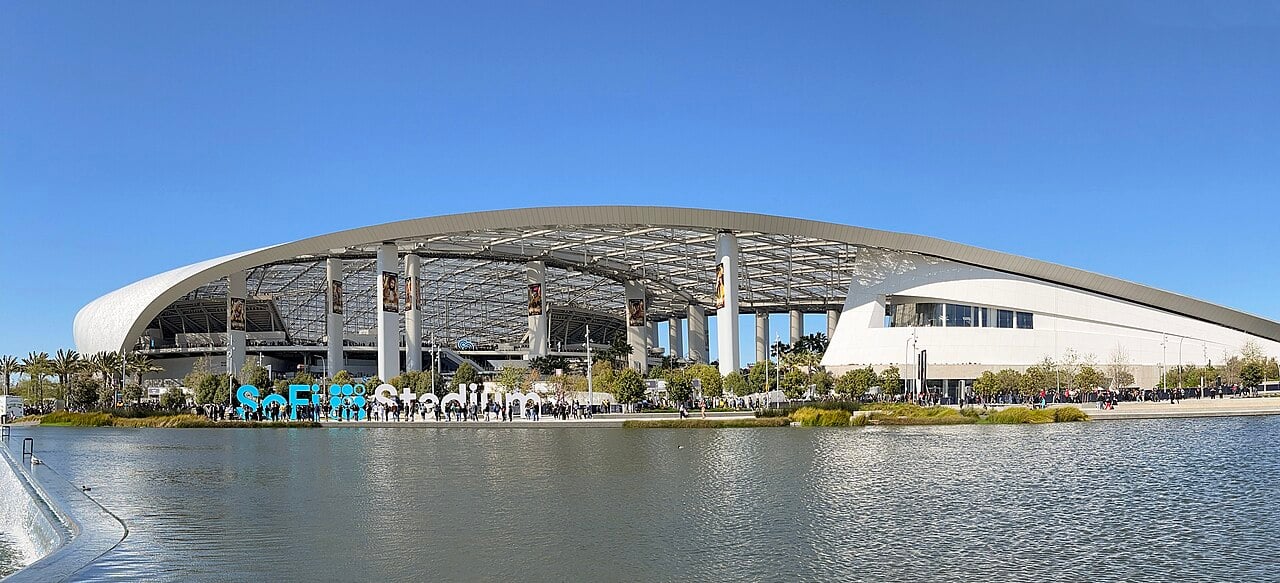
Kickoff is at 6 p.m. local time in Inglewood. The Rose Bowl and Dodger Stadium have hosted tournament matches earlier in the competition; SoFi Stadium, built in 2020 and seating 70,000, is the largest and most modern of the Los Angeles venues, and Friday’s quarterfinal is the largest match it has hosted. The pitch condition and the afternoon heat in inland Southern California are the logistical variables both teams have acknowledged in training sessions this week.
What SoFi will not settle is the question of which of these two football traditions – Spain’s possession architecture or Belgium’s individual brilliance – better suits a knockout tournament played in American heat. That answer comes only after ninety minutes, and possibly after thirty more. It is a question that, once asked at this scale, De Bruyne may not get another chance to answer.