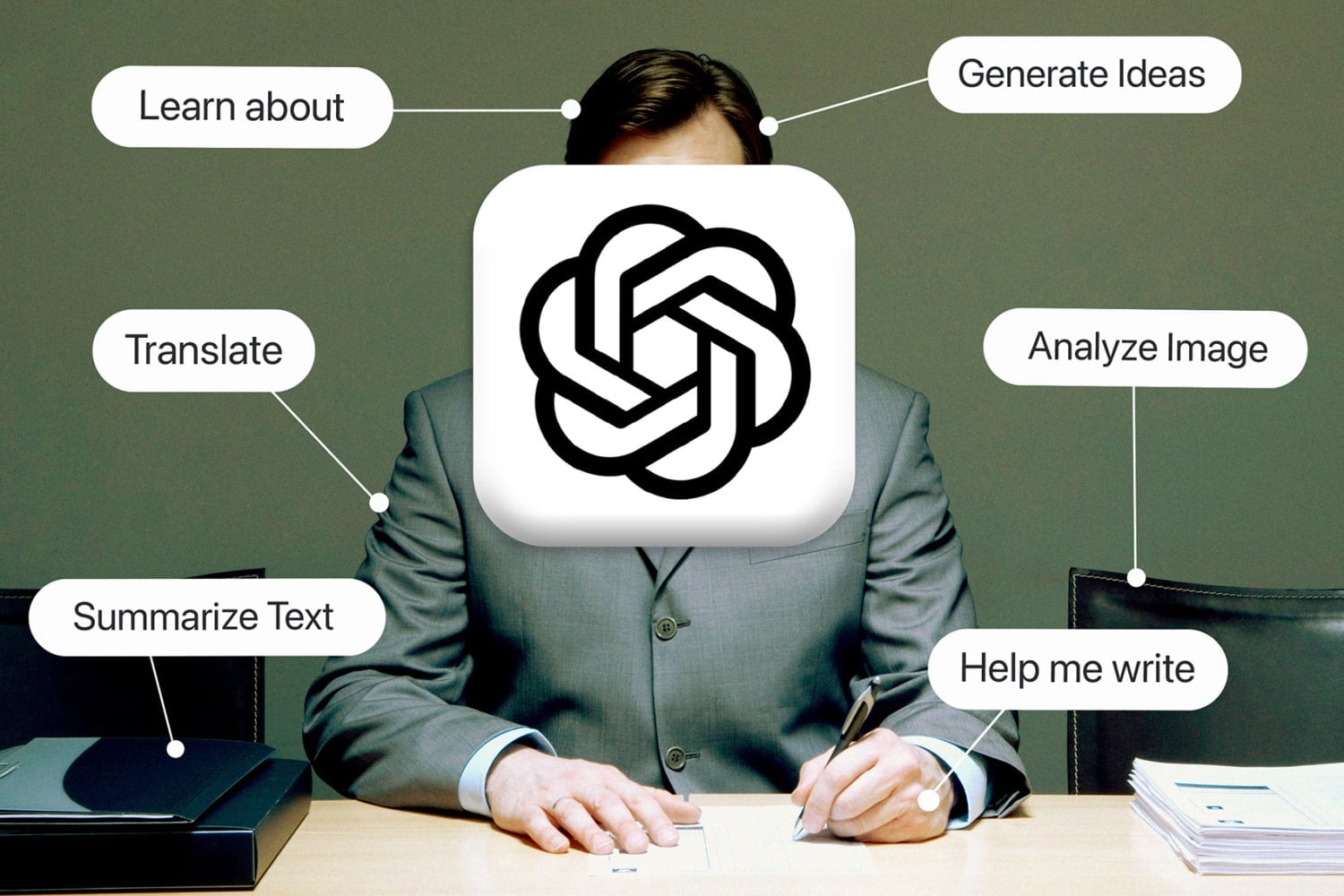

SAN FRANCISCO – The parent who signed up for ChatGPT to write a cover letter has quietly become OpenAI’s most valuable distribution channel. They have been installing it on their teenagers’ phones, recommending it at school fundraisers, and, according to new survey data, driving the platform’s fastest demographic shift since its 2022 launch.
OpenAI posted a job listing this week for a product manager focused on families, caregivers, and older adults, a role that would not have existed, or been necessary, two years ago. The listing describes the hire as responsible for “defining product strategy for non-standard demographics,” a phrase that effectively acknowledges the company built something for one user and is now serving another.
The numbers explain the urgency. Users aged 35 and older accounted for 31 percent of ChatGPT’s global base in the second quarter of 2026, up from 26 percent during the same quarter in 2025, according to Creative Strategies, a consumer technology research firm. Users between 18 and 24 fell from 34 percent to 29 percent over the same period. ChatGPT did not lose younger users in absolute terms; the platform continues to grow. In relative terms, though, the middle-aged parent overtook the college student.
The pattern surprised even researchers tracking it. Ben Bajarin, CEO of Creative Strategies, called parents “the real product missionaries” of ChatGPT’s expansion, citing survey data showing that 24 percent of US smartphone-owning parents reported using ChatGPT in the second quarter, nearly double the 16 percent recorded a year earlier. They were not just using it themselves. “They’re setting up ChatGPT for their teenagers because they believe it helps academically,” Bajarin said.
The same data surfaced a pointed detail: 27 percent of parents believed their children used generative AI weekly. The actual figure, measured separately, was 38 percent.
That gap has drawn attention from organizations focused on online child safety. Stephen Balkam, CEO of the Family Online Safety Institute, has tracked OpenAI’s gradual rollout of family-facing features, including parental controls for teen accounts and a feature called Trusted Contact that allows a designated adult to receive alerts when the AI detects signs of self-harm in a conversation. “It’s a meaningful step,” Balkam said. “But the real test will be whether parents actually know these tools exist.”
OpenAI is not the only platform reckoning with where its products end up inside homes. Meta’s removal of its AI image generator following consent concerns earlier this month illustrated how quickly reputational exposure can emerge when platforms underestimate how far their tools travel within families. Debates over AI-cloned celebrity voices being licensed without oversight frameworks have sharpened the same questions about who is actually using AI products and whether the companies building them anticipated that reach.
The sharper competitive challenge, beyond safety, is market share. Among US smartphone-owning parents, Google’s Gemini leads at 32 percent adoption, compared with ChatGPT’s 24 percent, according to Creative Strategies. Anthropic’s Claude sits at 4 percent; Microsoft’s Copilot at 2 percent.
The gap likely reflects distribution rather than deliberate choice. Google has embedded Gemini across Android devices, Workspace tools, and the Pixel hardware line in ways that reduce the need for intentional adoption. Parents using Gmail or Google Docs encounter Gemini without actively seeking it. ChatGPT requires a separate download and account. The Creative Strategies data suggests that where parents did make that deliberate move, they chose ChatGPT at a meaningful rate. Whether that choice translates into lasting loyalty as Google deepens its integrations remains an open question.
As TechCrunch reported, OpenAI has not specified when the family PM role will be filled or what products might follow. The job description’s mention of caregivers and older adults alongside parents points at a broader push into “non-standard demographics” rather than a narrowly child-focused product line. It is not clear whether that translates into dedicated apps, reworked defaults, or new safety layers within ChatGPT itself.
What the demographic data makes plain is that ChatGPT’s fastest-growing users arrived without being recruited. The platform they found was built for someone else. OpenAI is now trying to retrofit design intent onto a pattern of use that got ahead of the product.