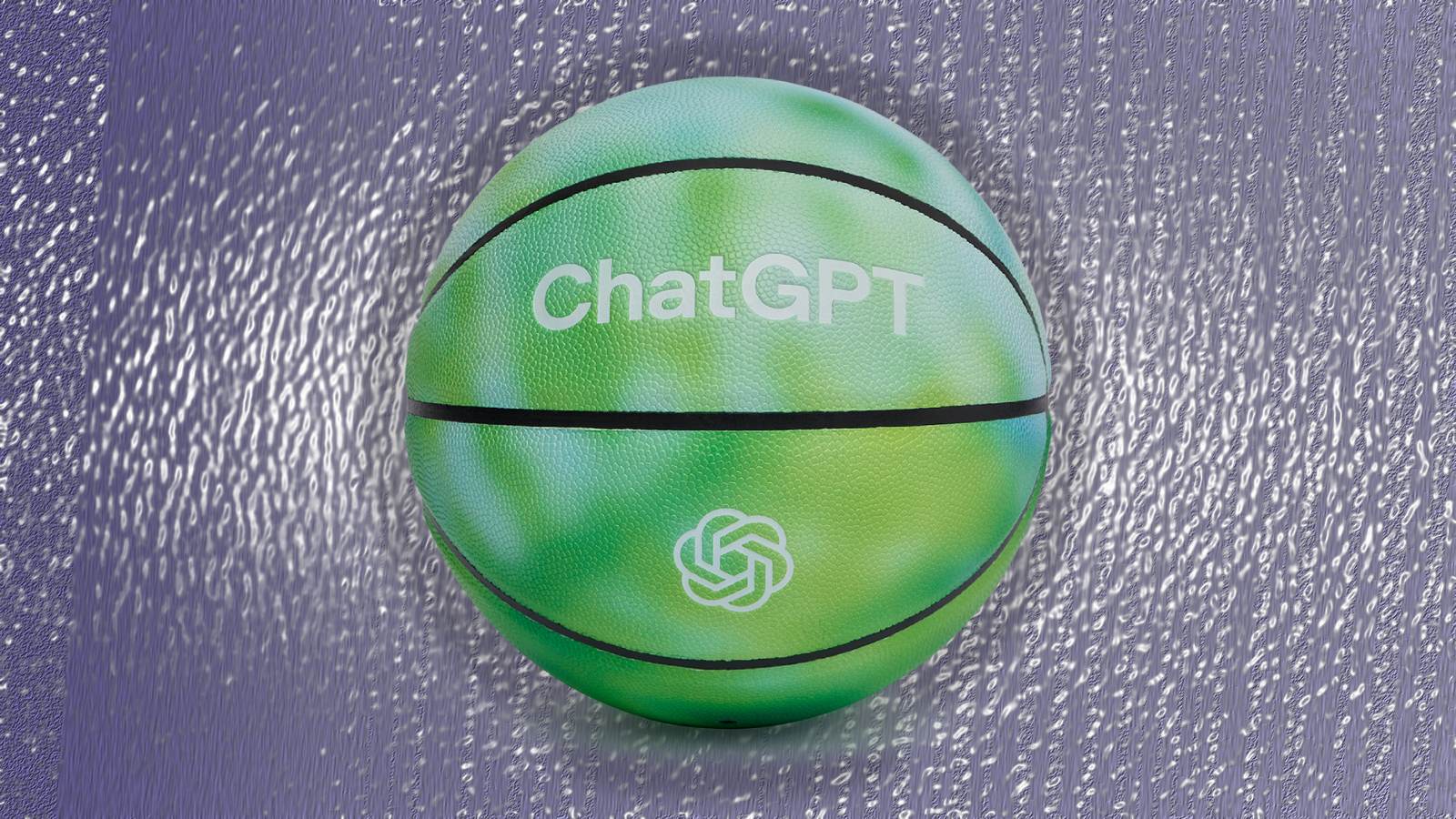

SAN FRANCISCO – Someone at OpenAI decided the company needed a basketball. It costs $70, is made of 100% rubber, and is described in the campaign materials as “a physical reminder that creativity doesn’t just live on our screens.” The ball is orange. The logo is ChatGPT. This is a product you can buy right now, and it is not a joke.
The basketball is part of OpenAI’s “Pause. Play. Prompt.” merchandise launch, released Wednesday alongside a $230 mini keyboard the company calls a “command center for agentic work” and a $175 quarter-zip sweatshirt that has the word “research” printed in cursive. The collection is styled like gear for a tech company that has decided its tools belong on a lifestyle shelf next to branded water bottles and overpriced hoodies.
The campaign’s stated message is that ChatGPT users should step away from their devices, move their bodies, and then return to prompting. OpenAI wants you to believe that a $70 rubber ball is the bridge between a gym session and a conversation with a language model. The copy leans on phrases like “days in academia” for a collar design and physical reminders of creativity. It reads like a technology company attempting to write like a lifestyle brand that has not quite gotten there yet.
What the merchandise launch is actually communicating is not difficult to read. OpenAI is not a research laboratory anymore, in any meaningful commercial sense. It has 300 million weekly active users, a multi-billion dollar enterprise business, and enough brand recognition that it can put a logo on a basketball and charge $70 for it. The basketball is not the product. The signal is: OpenAI now believes it has sufficient cultural weight to extend its brand into physical objects, the same move Apple made decades ago with water bottles and branded tote bags, long before the iPhone existed.
That comparison is flattering to OpenAI in one direction and instructive in another. Apple spent twenty years as a premium computing brand before its merchandise became aspirational objects. The company’s ecosystem was so embedded in daily life that a tote bag with a bitten apple on it actually communicated something. OpenAI launched ChatGPT in November 2022. The basketball arrives approximately three and a half years later. What the brand currently communicates to people outside the technology industry is a more open question.
The competitive context makes the move more legible. Google does not sell branded basketballs. Anthropic does not have a quarter-zip line. Microsoft has not launched a Copilot campaign encouraging outdoor play. OpenAI is doing something its major competitors have not attempted, which is to build a consumer identity distinct from any specific product or interface. As AI-powered creative tools become commoditized across the industry, brand loyalty and cultural identity may become the differentiators that matter. A basketball is a crude early bet on that idea.
There is an obvious tension in the campaign’s framing. OpenAI’s revenue depends entirely on people spending more time interacting with screens, specifically with its models. The carbon footprint of the GPU infrastructure required to run ChatGPT is not small. The company telling its users to “pause” and go play basketball exists in some friction with the business model that requires those same users to stay logged in. The campaign does not address this. It is possible no one at OpenAI noticed, or possible someone noticed and decided it was fine.
The $230 keyboard entry in the merchandise line is the most coherent product in context. Keyboard customization culture is well-established in the technology-adjacent enthusiast market. A premium keyboard can credibly function as a desk artifact that communicates affiliation in the way that premium audio gear or mechanical keyboards already do. Whether the ChatGPT brand adds meaningful value to a $230 keyboard over a comparable mechanical keyboard without the branding is what a consumer will have to decide. The basketball does not have this ambiguity: a basketball is a basketball.
None of this is disconnected from OpenAI’s broader positioning. The company has been navigating a transformation from a nonprofit research institution into a for-profit entity, a process that involves defining what the OpenAI brand means commercially. As OpenAI’s growing ambitions have stretched toward sovereign wealth fund proposals and trillion-dollar infrastructure investments, the company has also been building the consumer-facing side of its identity. The basketball is, in that context, a brand artifact in the most literal sense: something physical that helps define what the company thinks it is.
What OpenAI has not provided is any metric for success. There are no stated sales targets, no disclosed production run, no mechanism for evaluating whether the campaign moves any needle that matters to OpenAI’s actual business. The company’s revenue comes from subscriptions and enterprise API contracts, not rubber balls. The merchandise may sell briskly to the segment of ChatGPT users who already have a drawer full of tech conference lanyards, or it may sit in a warehouse. OpenAI has not said, and TechCrunch’s reporting on the launch does not indicate it intends to.
The basketball costs $70. A ChatGPT Plus subscription costs $20 a month. The target audience for the ball is presumably already subscribed. Whether a consumer who pays for a ChatGPT subscription also wants to carry a branded basketball to a public court is the question the “Pause. Play. Prompt.” campaign answers only in the affirmative, without yet knowing if anyone agrees.