
WASHINGTON – Boeing (BA) will resume issuing its own airworthiness certificates for every 737 MAX and 787 Dreamliner rolling off its production lines starting Monday, July 20, the Federal Aviation Administration announced Friday, handing back an authority the government stripped from the planemaker after two catastrophic crashes killed 346 people more than seven years ago.
The FAA’s decision marks the most complete restoration yet of Boeing’s regulatory standing. Eight months of side-by-side inspections, alternating weekly between Boeing’s own quality teams and agency examiners, produced no meaningful difference in findings. The FAA said that data was sufficient to return the responsibility. A production cap on 737 MAX monthly output, imposed separately in early 2024, remains in place.
FAA Administrator Bryan Bedford framed the announcement with characteristic caution. “Safety drives everything we do, and this step forward is only possible because we are confident it can be done safely,” he said, adding that inspectors would direct resources toward earlier identification of potential manufacturing risks. Bedford said the agency would also continue assessing Boeing’s Safety Management System, the internal reporting framework the company was required to build as part of earlier consent agreements. What neither Bedford nor the FAA’s official announcement addressed was whether the alternating-week trial uncovered inconsistencies before the pattern stabilized – a gap the agency has not moved to close.
Boeing’s right to sign off on 737 MAX airworthiness certificates was revoked in the days following the Ethiopian Airlines crash of March 2019, the second MAX disaster in five months. Together with the Lion Air accident of October 2018, the two crashes killed 346 people and triggered a global grounding of the jet lasting nearly two years. Investigators confirmed that a flight-control system called MCAS, designed to correct the aircraft’s aerodynamic handling at high angles of attack, had activated erroneously in both flights – and that Boeing had not adequately disclosed its existence to pilots or regulators before the jets entered service.
The 787 Dreamliner followed a different path to restriction. The FAA ended Boeing’s authority to self-certify Dreamliners in 2022, after documenting recurring production defects in the carbon-fiber fuselage sections assembled at the company’s South Carolina facility. Those defects involved gaps between mated sections of the aircraft body, meaning that some jets had been delivered to airlines without meeting their approved design specifications. Boeing later acknowledged that inspection procedures had failed to catch the problems for years.
In September 2025, the FAA approved a partial restoration: Boeing and agency inspectors would alternate each week issuing airworthiness certificates for new 737 MAX and 787 jets. The arrangement functioned as a live calibration test, with both sides conducting final production checks on the same aircraft types. Over eight months, the FAA reviewed the findings from each party. The results were, in the agency’s framing, comparable. Friday’s announcement converts that probationary arrangement into full Boeing authority effective Monday.
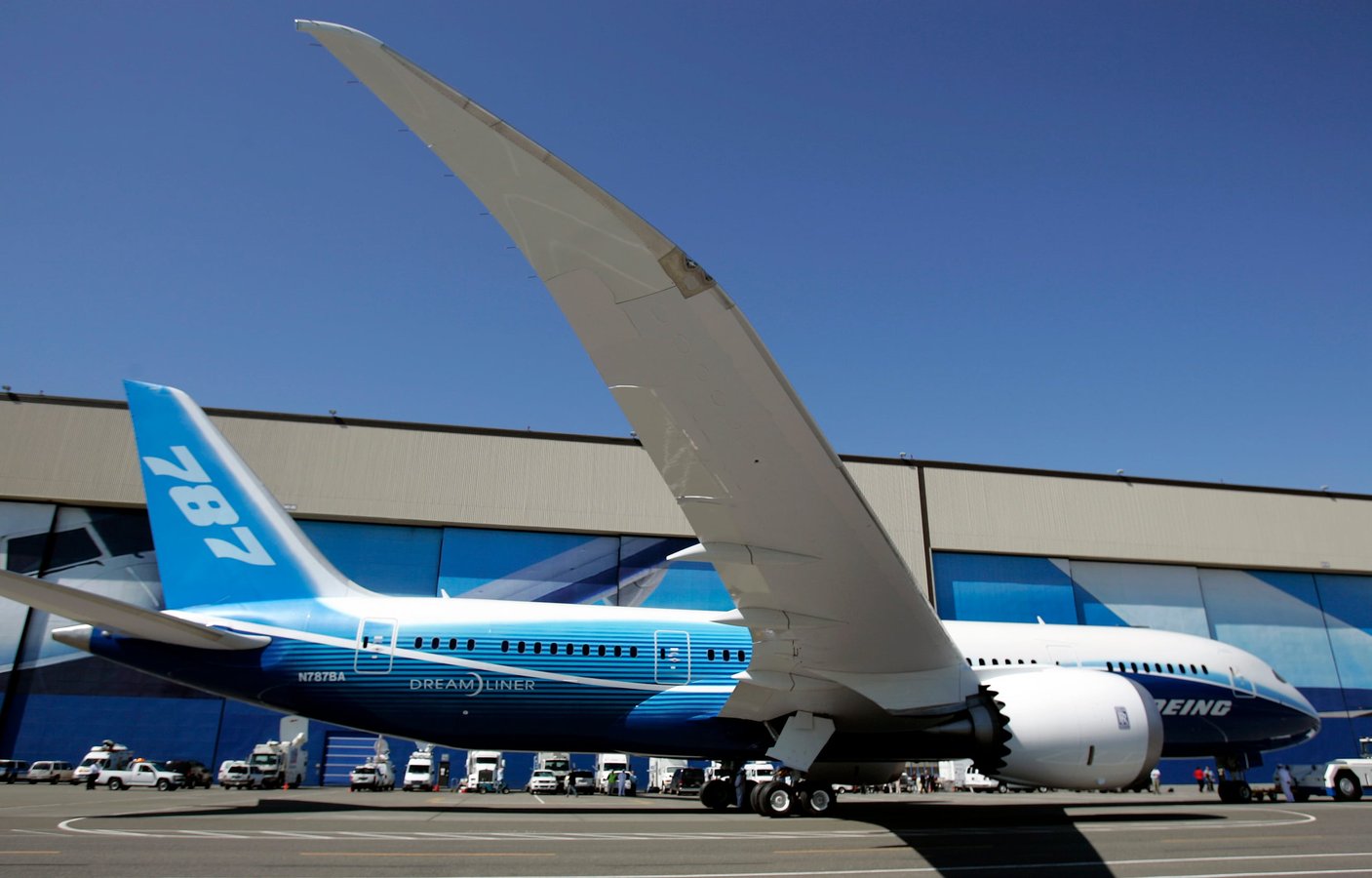
Boeing delivered 314 commercial jets in the first half of 2026, a 12 percent increase over the same period in 2025 and the highest half-year total the company has posted since 2018. The improvement reflects a gradual unwinding of production disruptions that cascaded after the 737 MAX grounding. Airlines including United, American, and Ryanair have hundreds of jets on backorder, with persistent delays having forced some carriers into costly leasing arrangements while awaiting aircraft contracted years earlier. CNBC, which first reported the FAA’s decision, noted that Boeing’s share price held steady after the announcement.
Restored authority does not mean reduced scrutiny. The FAA said it will continue regular inspections and audits of Boeing’s production system, including what it described as “critical assembly activities” and “production quality trends.” The agency is tracking Boeing’s Safety Management System and will closely observe whether the quality parity seen during the alternating-week arrangement holds once Boeing performs the checks alone. The FAA’s monitoring will remain, by implication, substantially more intensive than the pre-2019 baseline.
Regulatory confidence and cultural change are not the same thing, and the gap between them has never been fully closed at Boeing. Congressional investigations spanning 2020 to 2024 produced a consistent portrait of a company in which engineering concerns were systematically underweighted against schedule pressure. Quality inspectors described being pressured to clear aircraft despite reservations. The death of 737 MAX whistleblower Joshua Dean in May 2024 – at 45, from a sudden, fast-spreading illness – underscored the human stakes of the company’s unresolved accountability questions, which the FAA’s latest decision does not address.
Boeing has, in public statements, pledged renewed commitment to its Safety Management System and to protecting workers who raise concerns through internal channels. The company’s financial position provides its own incentive: Boeing posted significant free cash flow losses through 2024 and 2025 as the production slowdown constrained deliveries. A sustained ramp in output, enabled in part by the restored certification authority, would represent a meaningful inflection point for a balance sheet that has absorbed years of remediation costs.
What the FAA’s decision cannot answer is whether the production-quality consistency seen over eight months of shared inspections will hold once Boeing no longer performs alongside federal examiners each week. The agency is betting that its monitoring architecture and Boeing’s revised management systems are now structurally sound. The next manufacturing failure, if one arrives, will test that assumption directly.