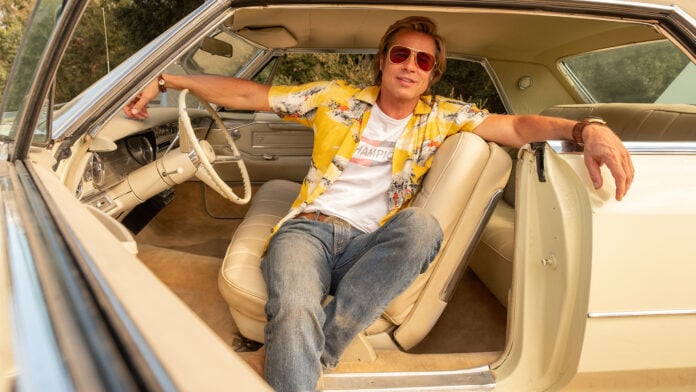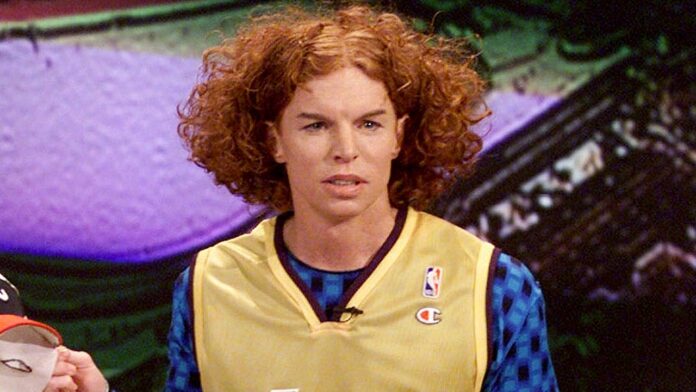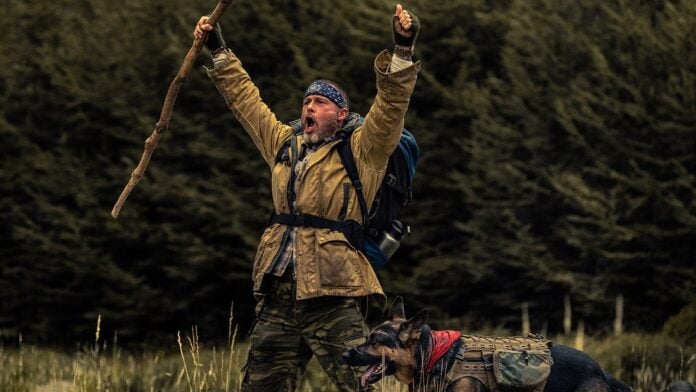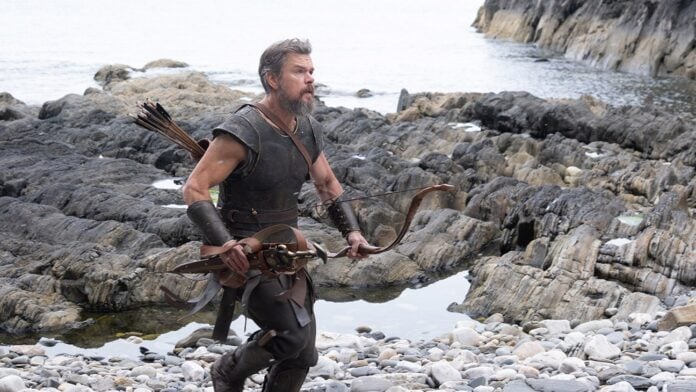

LOS ANGELES – The premise of 72 Hours had the outline of something worth watching: a 40-year-old marketing executive, responsible and risk-averse by training, gets pulled into three days of Miami chaos alongside a group of Gen Z companions with no interest in accommodating his sense of propriety. That gap between the man who measures consequence and the men who haven’t encountered it yet is the space where a sharp comedy lives.
What Tim Story’s film delivers instead is a polished, lively, frequently amusing exercise in squandered potential. 72 Hours, which begins streaming on Netflix on Friday, works in bursts – Kevin Hart is committed enough that individual scenes land – but the script’s appetite for farcical escalation repeatedly takes precedence over the cultural observation that the setup promises.
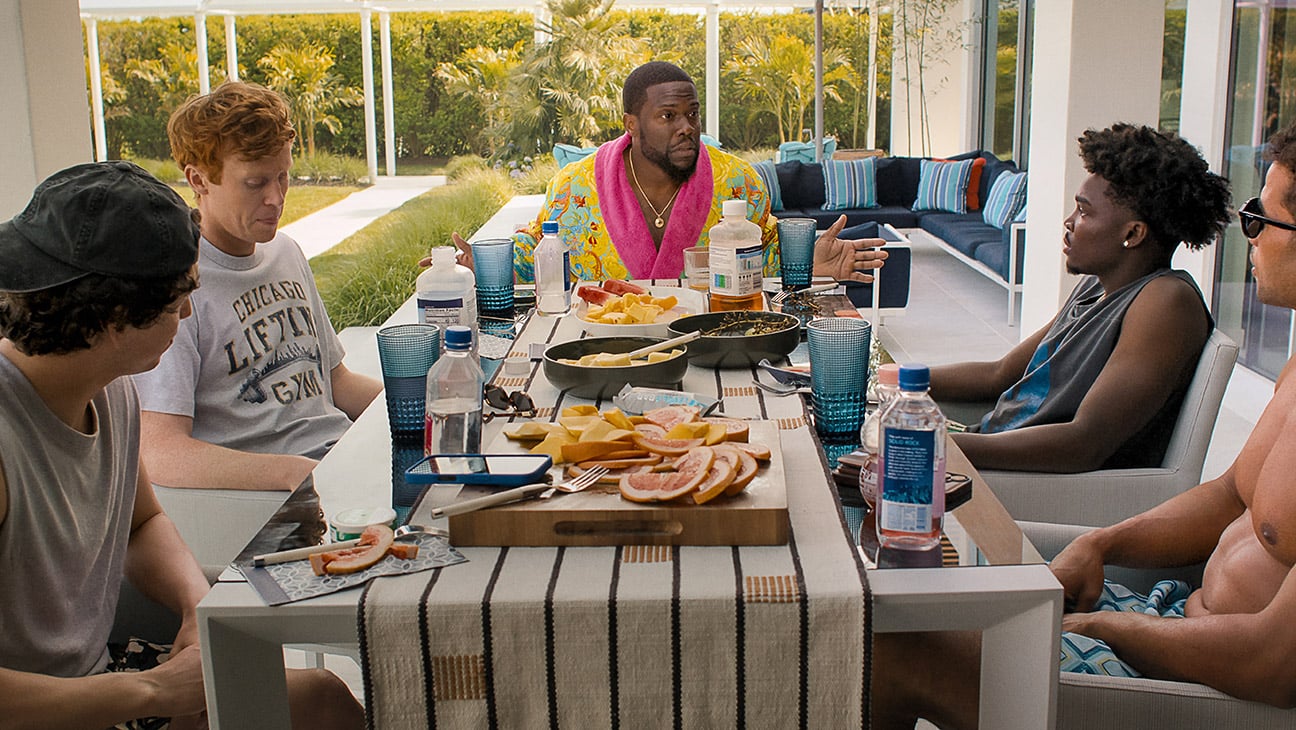
Hart plays Joe, a marketing executive whose reluctant inclusion in a bachelor weekend generates the film’s driving tension. His three companions are younger, louder, and constitutionally opposed to the kind of risk-management thinking Joe treats as instinct. The film puts them in Miami and sets about generating misidentification: Joe is confused for a drug trafficker, then a police informant, then a cartel associate named Riccardo Montana, a cocaine-induced persona that Hart commits to with more physical invention than the script deserves.
The best scenes in the film belong to Andy Garcia, who brings a slanted comic precision to his supporting role that the rest of the movie could have used. Garcia finds something specific in his character – a timing so relaxed it reads as accidental but clearly isn’t – and it lands every time he appears. Notably, his is not the film’s largest part. Garcia manages to upstage moments featuring Mike Epps and Michael Mando, neither of whom is given meaningful room to work.
Teyana Taylor, who drew significant critical recognition following her Oscar nomination, is here substantially underwritten. Her character has the architecture of someone with a point of view and the screen time of someone passing through a lobby. Whether that reflects choices made in the edit or limitations in the source material, the result is a performance that signals capability without being asked to demonstrate it. As the Hollywood Reporter’s Frank Scheck noted in his review of the film, Taylor’s underutilization stands out as one of the picture’s more conspicuous missed opportunities.
The film’s largest recurring gag – Hart’s face, swollen from a jellyfish sting, processed through a sequence of humiliations that track from mortification to improvisation – extends longer than it earns. The payoff has diminishing returns by the third return to the bit, and the Riccardo Montana persona that emerges from it is funnier in concept than execution. What’s absent from both sequences is the kind of character-specific logic that would make the escalation feel necessary rather than chosen. Joe stumbles into each situation not because of who he distinctively is but because the script needs him to.
Marcello Hernández, Mason Gooding, Kam Patterson, and Ben Marshall play the bachelor party’s younger contingent. They are capable performers, several of them proven in prior ensemble work, but the script doesn’t ask them to carry anything beyond the premise’s setup. They exist as contrast, as volume, as the category of behavior Joe is reacting against. A more assured screenplay would have given at least one of them something interior – an ambivalence about the trip, a relationship to the groom being celebrated, a reason to be in Miami beyond plot mechanics.
Kevin Dunn and Zach Cherry appear in roles that function primarily as narrative hinges. Cherry, whose timing in similar ensemble situations has worked elsewhere, is deployed here in a context that doesn’t leave him room to be distinctively himself. That pattern – notable talent in service of mechanical requirements – describes the film’s broader weakness.
Hart himself is not the problem. He physically commits to material that makes significant demands of him, runs through the range of his established comedic playbook with evident control, and generates real chemistry with Garcia in their shared scenes that Story should have pursued rather than repeatedly interrupted. The honest limitation is the screenplay, which, when forced to choose between examining its premise and escalating its sight gags, selects escalation without apparent conflict.
The 105-minute runtime produces a film that, despite Hart’s sustained output of energy, feels slightly longer than it is – a reliable signal that pacing has been calibrated to individual scenes rather than the accumulation of story momentum. End-credit outtakes suggest the cast enjoyed the shoot. That is not the same evidence as a film that has held its own ambition.
The timing of 72 Hours is not incidental to how it lands. Hart appears this December in Jumanji: Open World, Sony’s franchise-closing fourth installment alongside Dwayne Johnson and Jack Black – a title with franchise architecture behind it, an established audience, and a Christmas Eve release slot. Eastern Herald covered the confirmation of Open World earlier this summer. 72 Hours asks Hart to carry a narrower platform on the strength of a premise the script doesn’t fully use. He is good enough to make it watchable. What it isn’t is the funnier movie the setup suggested was possible.
Netflix has been producing mid-budget comedies with recognizable casts throughout 2026, with Little Brother, starring John Cena and Eric André, producing divided critical response in late June. 72 Hours follows a recognizable pattern: enough talent in frame to produce something that works in parts, not enough screenplay discipline to make those parts cohere. The movie that exists inside this one is funnier, angrier, and more willing to examine what a 40-year-old actually learns from 72 hours in Miami that he couldn’t have figured out at home. That version does not stream Friday.