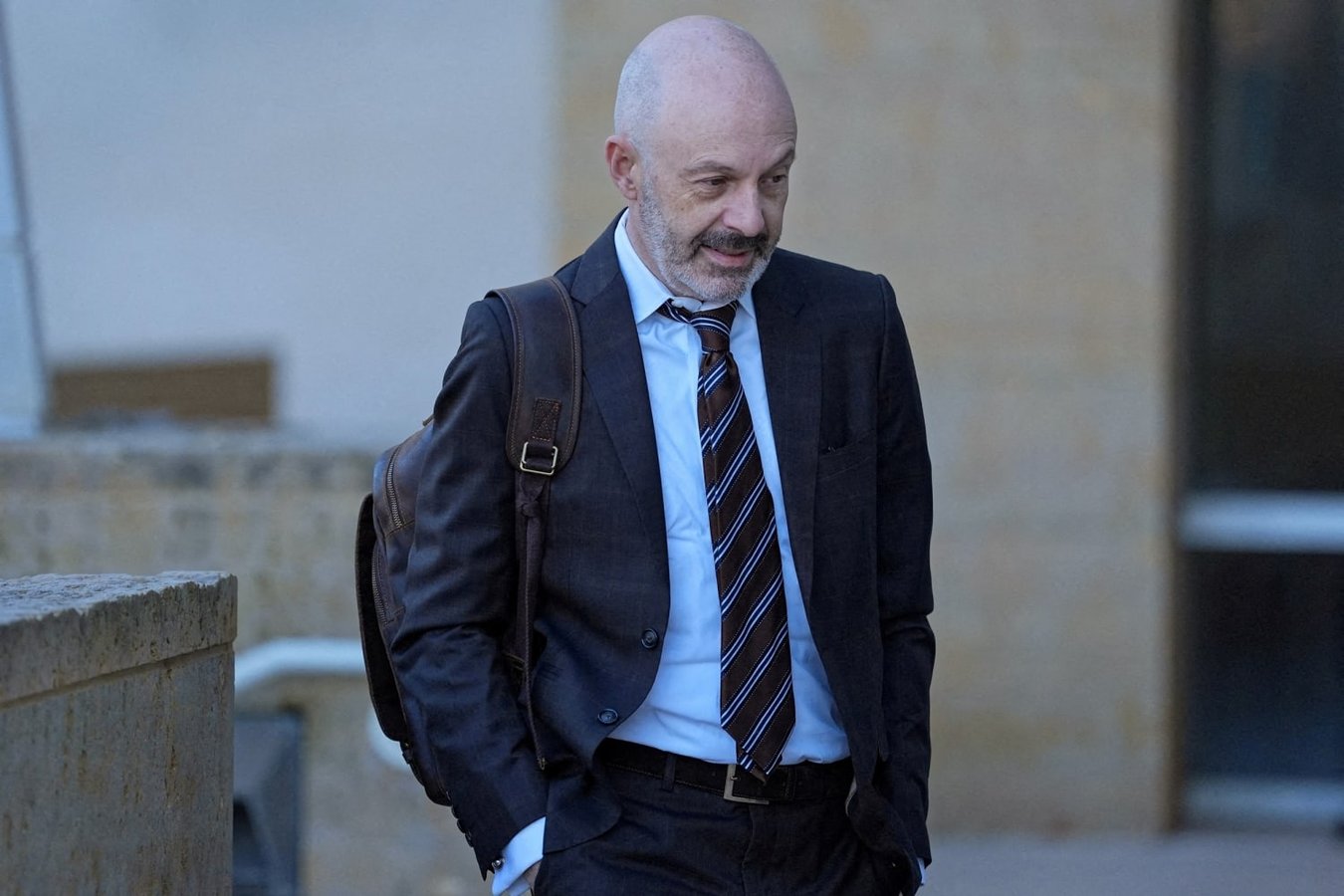
NEW YORK – The number keeps changing. Federal Bureau of Prisons records updated Wednesday show Sean “Diddy” Combs is now projected to leave FCI Fort Dix on January 24, 2028, a month ahead of the February 23 date that had been on file since spring. The bureau offered no explanation. His legal team offered no statement. The adjustment arrived the way all the others have: quietly, through a database update the government declines to contextualize.
It is the fifth time the projected date has shifted since Combs arrived at the federal correctional institution in Burlington County, New Jersey, following his October 2025 sentencing. The original figure, set when a federal judge sentenced him to 50 months, was May 8, 2028. That date was briefly pushed back to June 2028 amid reports of prison infractions, reports the bureau never officially confirmed, before beginning a run of forward revisions: April 25, then April 15, then February 23. Now January 24.
What drives these adjustments is a combination of statutory mechanisms the Bureau of Prisons administers but rarely discusses. Federal inmates automatically accumulate good-conduct time, roughly 54 days per year, unless disciplinary sanctions remove it. Additional reductions come through participation in approved prison programs: educational courses, vocational training, and, most significantly, substance abuse treatment. Under the First Step Act, completion of an approved drug or alcohol program can reduce a sentence by up to 12 months. Whether Combs has enrolled in any such program at Fort Dix is something the bureau will not confirm. Its standard response, that it “does not discuss the conditions of confinement for any individual,” as it told The Hollywood Reporter, applies equally to questions about programs and questions about release dates.
The conviction that put Combs at Fort Dix was narrower than the charges that defined his arrest. Federal prosecutors charged him with racketeering, sex trafficking, and transportation for prostitution. A jury acquitted him on the first two counts in July 2025 and convicted him on two violations of the Mann Act, the federal statute that prohibits transporting individuals across state lines for commercial sex. Sentencing followed that October. His attorneys moved quickly to the Second Circuit, filing an appeal that argued the sentencing judge improperly factored in allegations tied to the charges on which Combs was cleared, describing the outcome as a “perversion of justice.” That appeal has not been resolved.
Earlier this month, Combs was placed in solitary confinement at Fort Dix after a physical altercation with a fellow inmate who had taunted him, according to reports at the time. That incident does not appear to have affected his release date trajectory, a detail the bureau would not address either way.
The gap between the criminal verdict and what preceded it is part of what makes the Combs case difficult to reduce to a single number. He entered federal custody in September 2024. He spent more than a year in pretrial detention, much of it at the Metropolitan Detention Center in Brooklyn, before his transfer to Fort Dix in October 2025. The Mann Act charges that sent him there were the least severe of the three the government brought. Roughly 70 civil lawsuits from various accusers remain active, some filed before the criminal verdict and some after, none of which have gone to trial. The civil docket tied to his name has continued to expand even as his incarceration proceeds, with claims that range well beyond what the jury weighed. His projected release date has no bearing on those proceedings.
What that docket does share with the criminal record is uncertainty about when it resolves. The federal case is moving toward a date. The civil suits are not. If the January 24, 2028 projection holds, Combs will have served roughly 27 months of his 50-month sentence by the time he walks out of Fort Dix, a figure that reflects good-conduct credits, possible program participation, and the mechanics of federal sentencing law, but that leaves the broader legal picture in roughly the same state it has been in since his conviction: unfinished, contested, and with a timeline that the January date does nothing to resolve.
The Second Circuit has not signaled when it will rule on the pending appeal. Whether that ruling arrives before January 2028, and whether it changes anything if it does, remains the question that federal records cannot answer and the bureau has no interest in addressing.