
LOS ANGELES — Six years is a long time to sit in the waiting room of your own career. It is long enough, in the entertainment industry, for an entirely new cohort of producers and executives to arrive who no longer remember the particulars of why the wait began.
Stassi Schroeder knows that better than most. When Bravo fired her from Vanderpump Rules in June 2020, she lost not just a job but the infrastructure of a public identity she had built across eight seasons and three New York Times bestsellers. The firing followed the resurfacing of a 2018 incident in which Schroeder and cast member Kristen Doute called police on a Black castmate, Faith Stowers, over a mistaken resemblance to a suspect in a news report. The backlash was swift and the consequence immediate: Bravo ended her contract that same week.
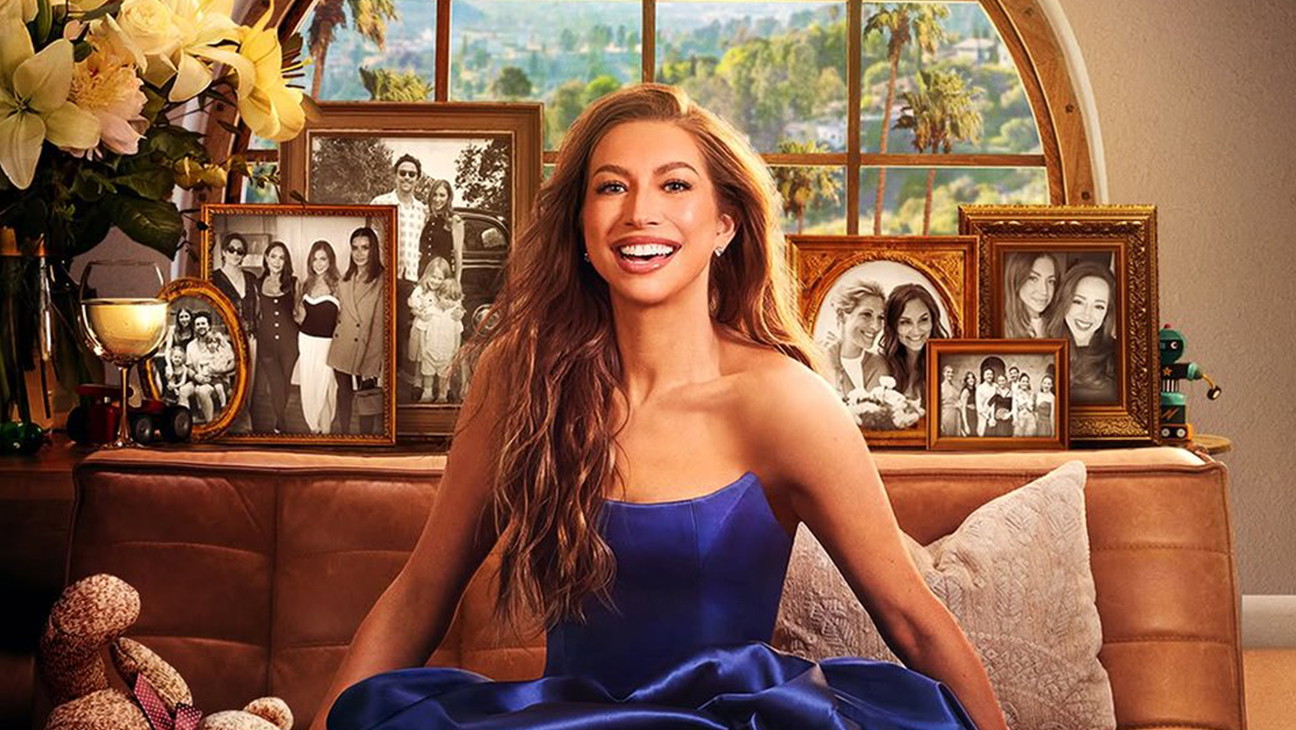
What happens to someone on the other side of that kind of public reckoning is, largely, whatever she decides to make of it. On Wednesday night, Schroeder is placing her answer before an audience: House of Stassi, an eight-episode unscripted series premiering on Freeform before the full season drops on Hulu and Disney+ on Thursday, makes the terms of her return explicit. She is not pretending the past did not happen. The show’s own promotional framing describes her as stepping back into the spotlight to redefine her place in pop culture, with the acknowledgment that staying on top means confronting the ghosts of her past and a chaotic inner circle.
That language is either the most strategically honest thing a reality comeback has ever committed to in its own logline, or a piece of very sophisticated narrative management. Probably both.
The two-part premiere airs tonight from 9 to 11 p.m. ET on Freeform. All eight episodes of the full season land on Hulu the following morning.

What distinguishes House of Stassi from a standard celebrity docuseries is its insistence on being something other than controlled rehabilitation. The cast surrounding Schroeder was not assembled for comfort. Katie Maloney, who navigated her own post-Vanderpump Rules recalibration after a very public divorce from castmate Tom Schwartz played out across multiple seasons on Bravo, is here. So is Schroeder’s husband, Beau Clark. Along with them: Kristina Kelly, Taylor Strecker, Georgianna Aubin, Rob Evors, and Taylor “Teddy” Donohue.
The presence of Maloney is the most consequential casting decision. The two women share a friendship complicated enough that Schroeder acknowledged in pre-premiere interviews a secret falling-out between them during the period covered by the series. That the production did not resolve this before cameras rolled suggests the show is at least willing to be uncomfortable with itself, which is a prerequisite for this kind of content to be worth watching.
Showrunners Erin Foye and Jenna Rosenfeld, who produce alongside Schroeder as executive producers, built the series as a meta-docuseries. Schroeder is not simply followed through her daily life; she is actively navigating her own television return while the cameras capture it. The recursiveness is either a trap or a feature, depending on whether the tension it generates is real. It works if the stakes are genuine. It collapses if everything feels choreographed.
Schroeder’s path to this project was not direct. She appeared on Vanderpump Villa beginning in 2024, a lower-stakes re-entry into the Bravo franchise ecosystem she had been locked out of, before landing the Hulu development deal that eventually became this series. As The Hollywood Reporter first reported, the project had been in development for some time, and Schroeder herself described the road to a greenlight as an arduous journey. What that phrase elides is specific: the entertainment industry does not forget easily, and she received this opportunity because someone at Hulu determined an audience appetite existed. Whether that calculation is correct is the question tonight’s premiere begins to answer.
House of Stassi also arrives at a moment when the television industry’s framework for cancellation and comeback has itself become a recognizable genre. Audiences arrive with a script already in hand. They know what structured vulnerability looks like on camera, what the difference is between a performer reckoning with the past and performing that reckoning. On ABC, DWTS: The Next Pro demonstrates that reality television’s appetite for stakes and disruption remains undiminished. Schroeder is working in a crowded genre, and the best version of House of Stassi will have to be sharper than the field.
What the show cannot control, and what none of its promotional materials address, is the question of Faith Stowers. Stowers has not been a prominent presence in the public conversation surrounding the premiere. Whether the production engaged with that absence directly, how much of it figures into the series’ “confronting the ghosts” framing, or whether it sits in the margins without resolution is not knowable from anything available before tonight. It is not a small gap. And it is, regardless of what else the series delivers, the measure by which House of Stassi’s honesty will ultimately be judged.