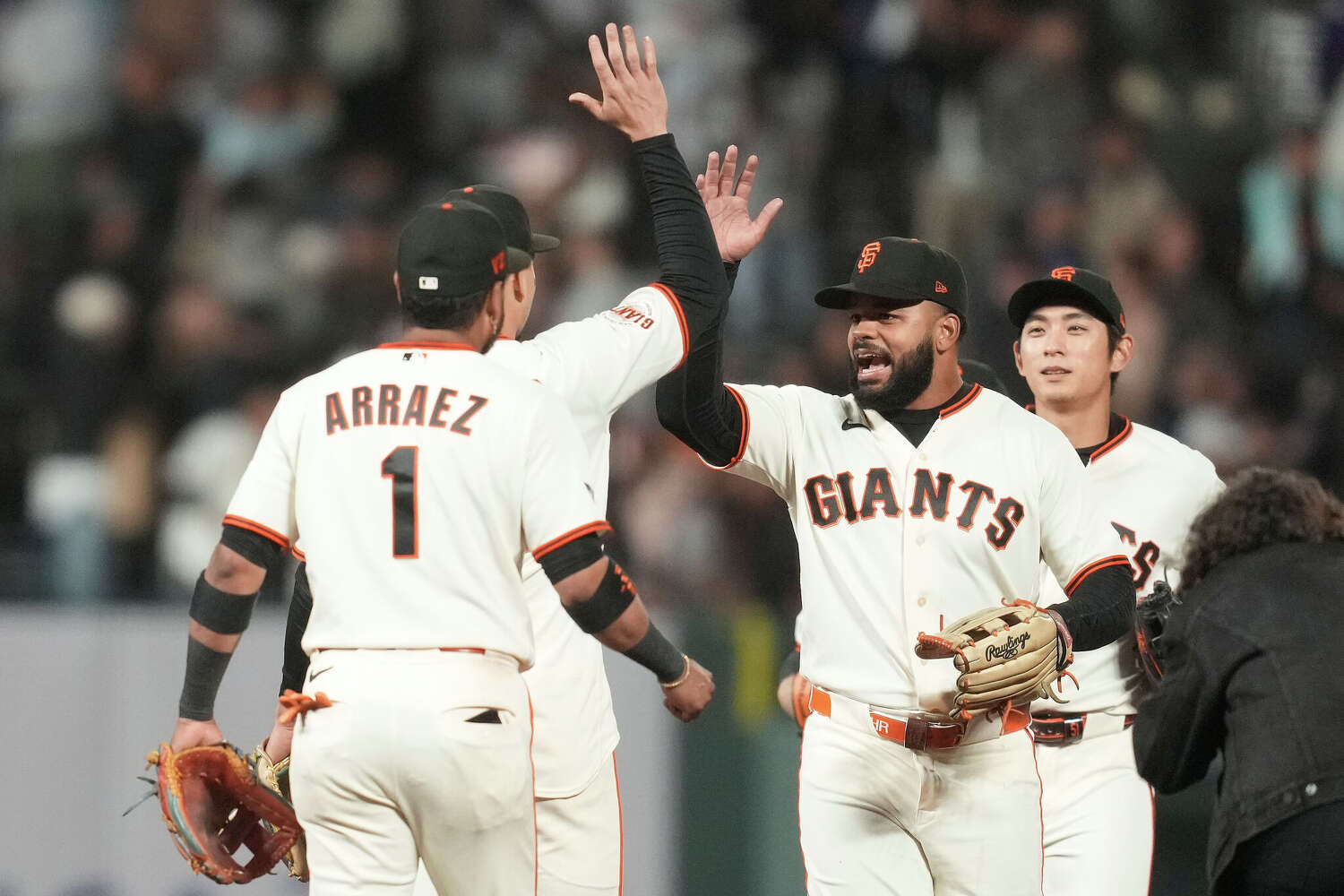

SAN FRANCISCO — Buster Posey made the call that settled everything. No extension. Luis Arraez would play out his one-year deal and leave, or he would be traded first. The Giants’ chairman had decided the team’s next chapter did not include the three-time batting champion, at least not on a payroll committed to a longer-term direction.
That decision, made weeks before anyone started playing out trade scenarios publicly, is what converted Arraez’s $12 million one-year contract into the most actively pursued rental infielder heading into the August 3 deadline. By Wednesday, with four days left on the clock, virtually every contender in baseball had shown interest, according to Yahoo Sports. The Giants are selling. The question now is the price.
Arraez is batting .326 this season with 135 hits through 102 games, walking more than he is striking out (25 walks to 20 strikeouts) and posting an .808 OPS on a team sitting 15 games under .500 in fourth place in the NL West. An All-Star this season and a three-time batting champion, he is, by almost every contact metric, the best rental hitter available at any deadline in recent memory. When asked about the prospect of a trade this July, Arraez was unambiguous: “Yes, why not?” He has not demanded a deal, but he understands the arithmetic as clearly as anyone in the building.
Tony Vitello, navigating his first August as a major league manager, has been transparent about the emotional texture of what is otherwise a financial transaction. “When you’re dealing with families, and you’re dealing with kids and a smaller amount of coaches and some of those bonds that last for a while, there’s a lot more emotion that’s tied to it,” Vitello told NBC Sports Bay Area on Wednesday. He has framed his conversations with Posey and general manager Zack Minasian as collaborative and non-directive; he has not been told who is being traded or when, and his approach with players who may be changing cities before Monday has been to keep the clubhouse environment unchanged.
The second name on San Francisco’s available list is Robbie Ray, and the calculus there runs a different direction. Ray is 34, a Cy Young Award winner in 2021 who has gone 9-6 with a 3.16 ERA through 20 starts this season. Since June 16 his ERA has been 1.20, a six-week run that would make him the most attractive rotation rental at the deadline if a smaller sample were sufficient evidence for October planning. It is not. Contenders pricing a starting pitcher for October weigh age alongside everything else, and Ray’s contract expiring after this season removes a financial obstacle for acquiring teams while stripping the Giants of negotiating leverage on their side of the table.
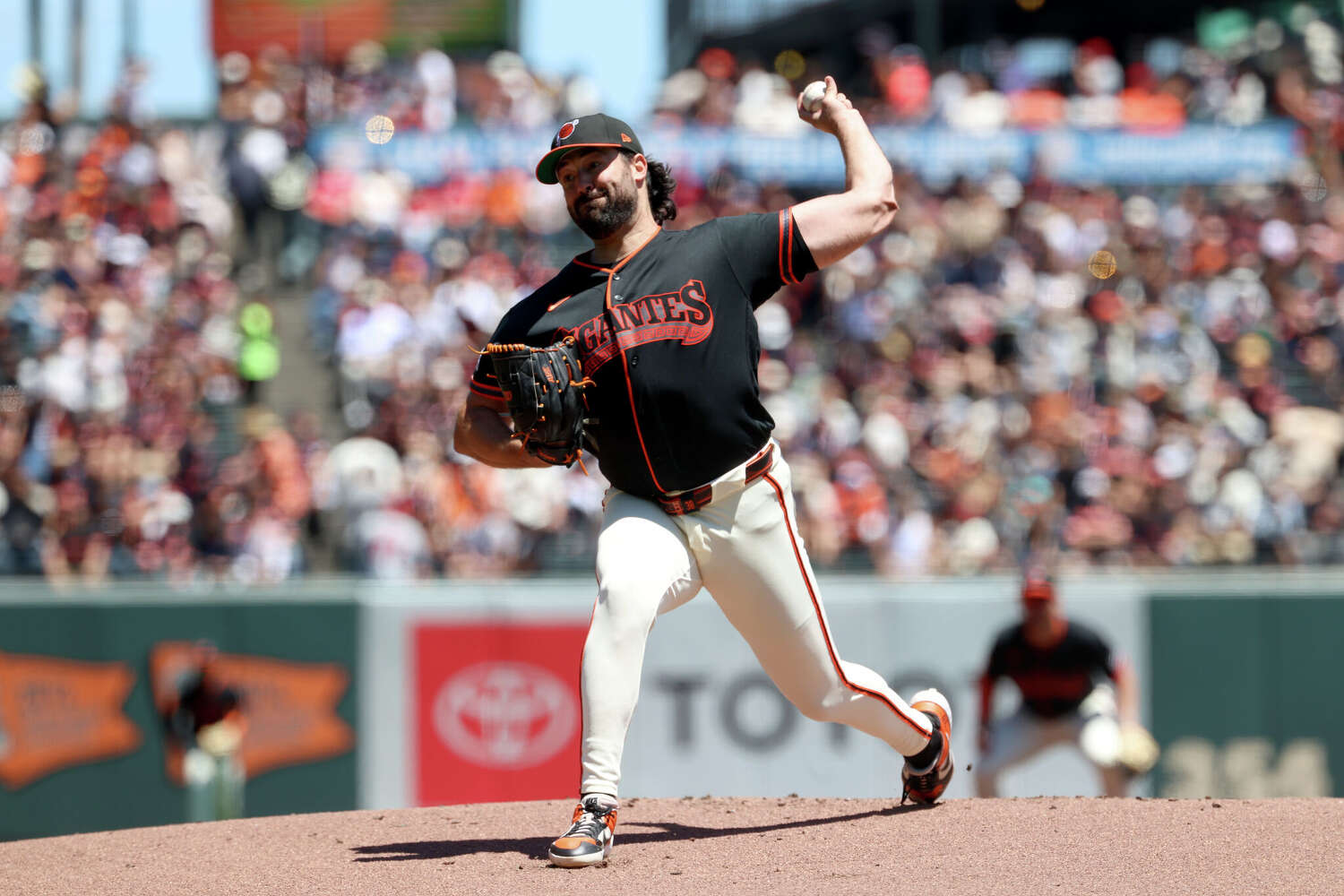
Jung Hoo Lee, whose name has surfaced in trade discussions, is not available. USA Today reported this week that the Giants have removed the Korean outfielder from trade consideration entirely. His contract runs through 2029 with an opt-out after 2027, a structural investment the organization is unwilling to dissolve for a deadline return. Beyond Arraez and Ray, Tyler Mahle (3-9 with a 4.96 ERA on the season but only four runs allowed across his last three starts) and Heliot Ramos, under team control at minimum salary for three more seasons, are also in play at different price points.
The broader deadline market has been established by other sellers acting before the Giants. The Angels’ decision to send catcher Kyle O’Hoppe and reliever Chase Silseth to the Texas Rangers set the template: organizations without postseason ambitions packaging available assets to contenders in exchange for young talent they can develop toward a future window. The Giants’ situation differs in that Arraez is a marquee name rather than secondary pieces, but the logic is the same. A team not competing in 2026 determining what it can extract from teams that are.
The challenge for San Francisco is that Arraez, despite his wide market, arrives at the negotiating table with tempered return expectations. An industry insider told Yahoo Sports this week that the Giants should not expect a massive haul, noting that the leverage in deadline negotiations belongs to contenders who understand sellers cannot hold rental players past Monday. Arraez’s value is genuine; his market is real; what comes back to Oracle Park in terms of young talent is the variable that will ultimately define what this deadline means for Posey’s rebuild.
Posey’s approach since taking over as chairman has been to treat 2026 as a bridge season while accumulating the prospect resources that make 2027 and 2028 structurally realistic. The heaviest financial commitments on the roster, the combined obligations to Willy Adames, Matt Chapman, and Rafael Devers, are not candidates for this deadline. The sellable assets are the one-year deals assembled specifically for this moment: a batting champion who signed in January knowing he would likely become a deadline chip by August, a veteran starter with a six-week October audition on his resume, and a pair of depth pieces with expiring contracts.
Teams like the Minnesota Twins, fighting for a Wild Card spot with proven pitching and a need for reliable bats at the top of the lineup, represent the profile of buyer most likely to align with what San Francisco has to offer. The Arraez fit, wherever it lands, is a clean one: a contact hitter with walk rates and batting averages that postseason pitching cannot collapse the way it collapses power hitters who expand their zones under October pressure.
Arraez is not coming back to San Francisco regardless of how the next four days resolve. What changes is whether the Giants extract the kind of young talent that accelerates their timeline or settle for a return that asks the organization to be patient in ways it has already been patient. The calls are happening. Monday’s 3 p.m. deadline is what decides whether any of them become trades, and what a batting champion is worth to a team that has decided it is not yet ready to win.
Related Posts