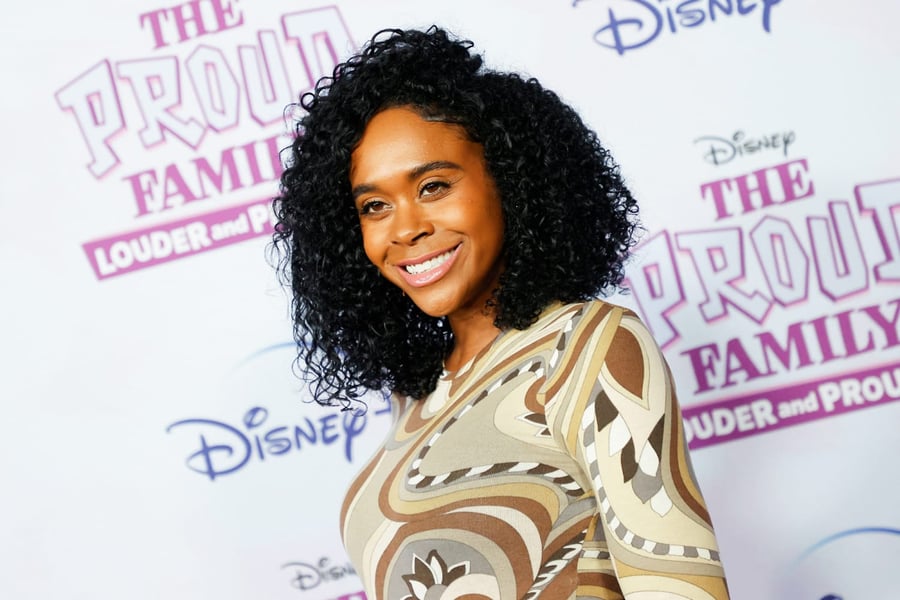

LOS ANGELES — Twenty-five years is a long time to carry a story. On August 22, Raquel Lee Bolleau began the process of telling hers to a court.
Bolleau, now 39, filed suit in Los Angeles County Superior Court alleging she was sexually assaulted on the set of a Disney Channel movie when she was fourteen. The defendant is identified in the complaint only as “John Doe” — an unnamed male employee of The Walt Disney Company — but the institutional claim runs directly at the studio. Disney, the lawsuit contends, could see what was happening and did nothing to stop it.
“Mr. Doe’s sexual abuse of Ms. Bolleau was apparent to the adults on Disney’s set,” the complaint states. “Disney repeatedly failed Ms. Bolleau.”
The movie in question was “The Poof Point,” a 2001 Disney Channel original film. Bolleau held one of the lead roles. Filming took place in Salt Lake City, Utah, and the lawsuit describes the abuse as having occurred in stages: first on set during production, then in the perpetrator’s hotel room, and again during the flight home to California once production ended. She was fourteen throughout.
Her attorneys are Douglas Wigdor and Jane Kim of the Wigdor LLP firm, which has built a record in high-profile workplace misconduct proceedings. They declined to name the John Doe defendant, saying the process of compelling his identification was already underway. Disney’s press office had not publicly responded to the suit as of Sunday.
For Bolleau, the decision to file comes after a decade of watching Hollywood confront its own history. “Over the last decade, countless child actors have come forward to bravely share their experiences of abuse,” her legal team said in a statement alongside the complaint. The same shift that created space for those disclosures also changed California’s legal landscape. The state has progressively extended the window within which survivors of childhood abuse can bring civil claims — creating pathways for cases that would have been time-barred in an earlier legal environment.

The Wigdor firm’s theory runs past the individual alleged to have committed the assaults. The complaint argues that the studio had notice — that what happened to Bolleau was visible to adults on Disney’s payroll who chose not to intervene. That is the institutional argument at the core of the case. It is not merely a claim against the unnamed John Doe; it holds The Walt Disney Company responsible for what its employee allegedly did because the company’s own representatives allegedly watched it happen.
Disney built its brand on children. Its Channel was the vehicle through which a generation of young performers entered the entertainment industry as teenagers, often far from home, working under conditions that gave a major studio significant authority over their working lives. Disney Channel child stars have spoken in recent years about the conditions of those productions and the lasting weight of what they experienced on those sets. Bolleau’s lawsuit adds a legal claim to that record.
The case is not the first to target a major studio over its treatment of minor performers. Across Hollywood, civil suits from former child actors have accumulated in recent years, reshaping how the industry discusses its obligations to young employees. Courts and California lawmakers have both moved to create accountability mechanisms that did not exist when Bolleau was fourteen — a legal evolution that has made cases like this one possible to bring.
Disney’s formal response to the complaint has not been filed as of Sunday. The options available include challenging the claim on statute of limitations grounds, contesting the institutional negligence theory on its merits, or seeking settlement before the case advances to discovery. Major studios facing claims of this nature frequently prefer resolution to the exposure that depositions and document production create — a calculation that is especially acute for a company whose identity is synonymous with child-safe entertainment.
The process of compelling the identification of unnamed defendants in California courts typically unfolds early in discovery, but that process has not yet begun. What that process surfaces — and what Disney’s internal records from the 2001 production may contain — remains among the open questions in a case that has only just been filed.
According to NBC News, Bolleau’s attorneys emphasized that her case reflects a pattern in which former child performers are using California’s expanded legal windows to seek accountability for what happened during productions they were too young to fully navigate on their own.
The lawsuit’s filing adds Bolleau’s name to a growing body of litigation that has tested whether major entertainment brands can be held institutionally liable for what their employees did to young performers. What the courts decide about notice, duty of care, and the adequacy of Disney’s on-set oversight in 2001 will have implications beyond this case. For now, the complaint is filed, the defendant is unnamed, and Disney has not responded.