
BENGALURU — For technology companies buying silver to solder circuit boards on Electronic City’s assembly lines, Monday’s ₹263-per-gram quote meant a real recovery from the worst two days the metal had seen in three months. For jewellery fabricators on Chikpete Road who stock silver bars ahead of the October wedding season, the same number read as confirmation: the correction had run its course.
The 999-purity rate placed Bengaluru’s market three rupees above Delhi’s benchmark on 31 August. The premium reflects transport costs from Mumbai and Gujarat refineries into Karnataka, plus local dealer margins. That gap varies between two and five rupees across the calendar year, widening when logistics costs rise. Dealers in the Chikpete and VV Puram areas quoted ₹2,630 per 10 grams by mid-morning Monday.
Silver Rate in Bangalore Today – 31 August 2026
| Quantity | 999 Purity Silver Rate |
|---|---|
| 1 Gram | ₹263 |
| 10 Grams | ₹2,630 |
| 100 Grams | ₹26,300 |
| 250 Grams | ₹65,750 |
| 500 Grams | ₹1,31,500 |
| 1 Kilogram | ₹2,63,000 |
The two days that preceded Monday’s recovery were the market’s direct response to Federal Reserve chair remarks at the Jackson Hole symposium in Wyoming. Comments on August 28 and 29 dialled back market expectations for rate cuts, strengthening the dollar and pulling silver’s COMEX futures lower. The MCX silver September contract — the pricing benchmark for physical silver in every Indian city — fell from ₹2,63,000 per kilogram on August 22 to ₹2,45,000 on August 28. Bengaluru’s physical rate tracked the MCX move, touching ₹2,41,000 per kilogram on August 29. That two-session drop was the steepest for the metal in three months, a pattern now recorded in silver prices across India today.
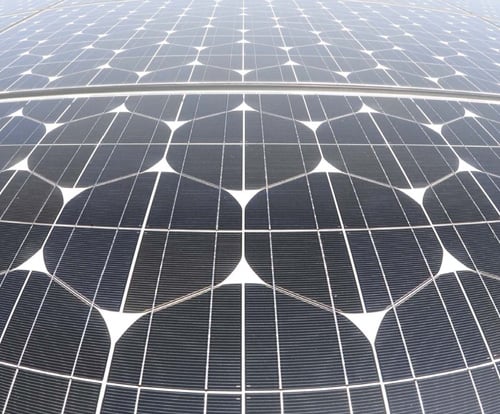
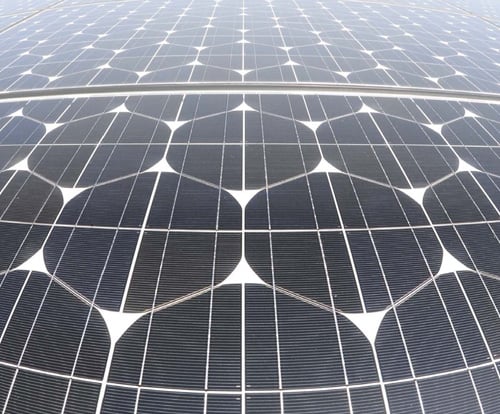
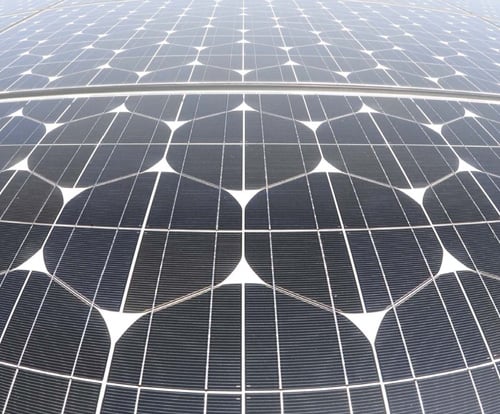
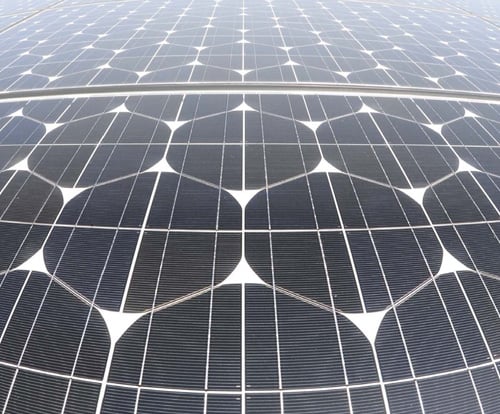
What cut short the selling was silver’s industrial foundation. According to the Silver Institute, its World Silver Survey 2026 documented a sixth consecutive annual supply deficit, projected at 215 million troy ounces — the largest shortfall on record. Industrial applications drove the demand side: AI data centre power infrastructure requires silver contacts, solar panel manufacturing demands silver paste at a scale that has strained mine supply, and EV battery systems add a second industrial front. For Bengaluru specifically, the city’s dominance in semiconductor packaging, aerospace components and telecom equipment manufacturing gives the industrial demand story a local dimension that Chikpete dealers track alongside spot prices.
Historical Silver Rate in Bangalore
| Date | Per Kg | Per Gram |
|---|---|---|
| August 31, 2026 (today) | ₹2,63,000 | ₹263 |
| August 30, 2026 | ₹2,63,000 | ₹263 |
| August 29, 2026 | ₹2,41,000 | ₹241 |
| August 28, 2026 | ₹2,45,000 | ₹245 |
| August 22, 2026 | ₹2,63,000 | ₹263 |
| August 16, 2026 (August high) | ₹2,70,000 | ₹270 |
| July 30, 2026 | ₹2,68,000 | ₹268 |
| June 30, 2026 | ₹2,55,000 | ₹255 |
| January 2026 (all-time high) | ₹4,75,000 | ₹475 |
| August 2025 | ₹1,53,000 | ₹153 |
The year-on-year gain from August 2025 is approximately 72%. Bengaluru’s silver rate twelve months ago was around ₹1,53,000 per kilogram. The January 2026 spike — when international spot silver touched $121.67 per troy ounce — briefly pushed Bengaluru’s retail rate above ₹4,75,000 per kilogram. Chikpete dealers suspended physical quotations during that peak as bars sold faster than they could be replenished. Since then, the pattern has held: sell-offs attract buyers, and each low has been higher than the one before.
Two types of buyers define Bengaluru’s silver market. The jewellery segment, centred on Chikpete and extending into Jayanagar and Indiranagar, works with filigree, chains and silver-plated decorative work that drives seasonal demand from September onward. Corporate buyers from the electronics sector — semiconductor fabs, aerospace suppliers, defence electronics firms concentrated in Whitefield and the KIADB industrial zones — operate through MCX contracts and direct refinery relationships. Both segments converged on the same interpretation of Monday’s rate: the Jackson Hole correction had run its course.
The Bengaluru rate includes 3% GST and Karnataka transportation charges, applied on top of the MCX base price. For purchases above 500 grams, buyers routinely cross-check against the Indian Bullion and Jewellers Association benchmark published daily from Mumbai. A comparison across major Indian markets is available in silver prices in India on 31 August.
Gold in Bengaluru traded near ₹16,040 per gram on 31 August, placing the silver-gold ratio at approximately 61:1. The ratio’s long-run range — between 60 and 80 in recent years — left silver in its lower-cost band relative to gold. That positioning, combined with silver’s industrial demand floor, is the structural argument physical buyers in Bengaluru cited to justify each pullback purchase.
Whether Monday’s recovery holds into next week depends on two factors neither Chikpete nor Electronic City can resolve. The first is whether COMEX silver, which settled at $67.14 on Friday after an intraday high of $71, can sustain a close above $70 in coming sessions. The second is whether the Fed’s Jackson Hole posture represents a sustained dollar-strengthening signal or a single-session correction. Bengaluru’s physical buyers who returned to market on Monday have placed their bet on the latter.
Related Posts