
NIKUMARORO, Kiribati — The team that called its evidence “very strong” that a shape in a Pacific lagoon was Amelia Earhart’s Lockheed Electra now says the shape was most likely a pile of trees. The setback comes after a 2024 sonar image of an apparent aircraft that CBS News said was later identified as a rock formation.
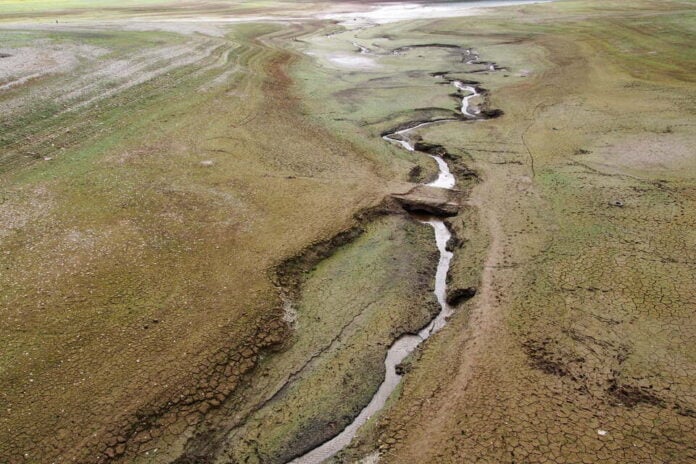
Purdue University and the Archaeological Legacy Institute announced the finding on Monday, Oct. 19, local time, which was still Sunday in the eastern United States because Nikumaroro runs 17 hours ahead. Evidence gathered at the Taraia Peninsula showed that the anomaly first seen in satellite imagery in 2020 was likely a collection of large trees deposited along the sandspit, the team said.
TEH reported last week that the Amelia Earhart plane search expected an answer within days, and this is it. The shine that had suggested metal was a carbonate veneer, and other finds carried a similar coat. The team’s wider theory is untouched in its telling: it found no “smoking gun” but still believes Earhart and navigator Fred Noonan landed on the reef and were marooned.
By the time the team reached the site, Purdue said in its release, “a good portion of the debris had fragmented and washed away,” leaving a single Y-shaped segment that is a fraction of the anomaly’s size in the imagery behind the original hypothesis. “We accomplished our goal to determine what the Taraia Object was,” said Rick Pettigrew, the institute’s executive director. NBC News quoted him as saying “We think it’s most likely that the object was a collection of debris that accumulated here.”
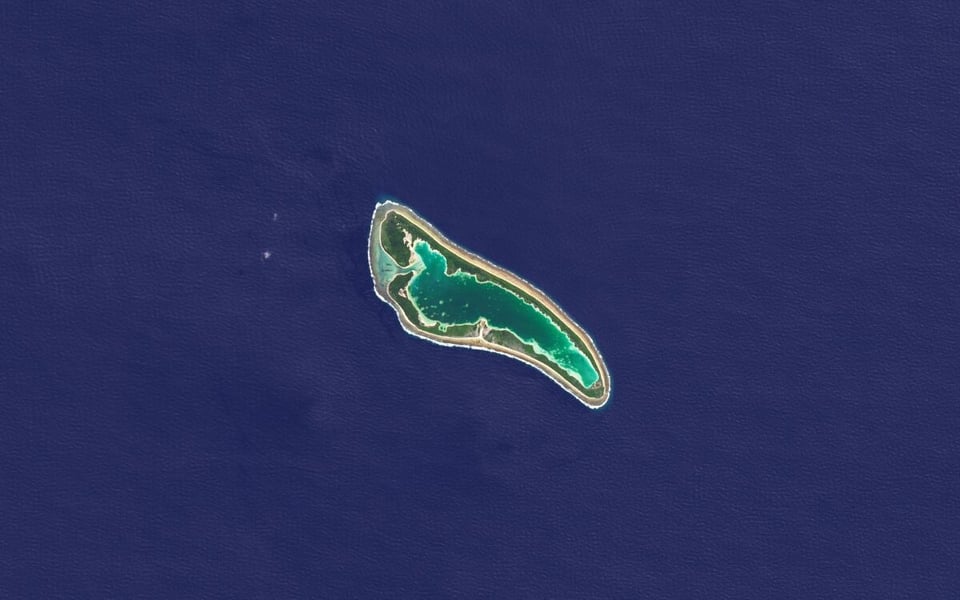
Much of what the team set out to examine has washed away. The Purdue release and the CBS News and NBC News reports TEH read name no outside specialist who has reviewed the identification, so it rests on the team’s own account.
The expedition did return with “a steel tube about 30 inches long” from the lagoon near the peninsula. Purdue’s release says that find and others will be studied as possible evidence that objects entering through the atoll’s Tatiman Passage drift across the lagoon and settle on the peninsula. It does not say what the tube is.
The accounts of the trip do not line up. Purdue says the team left Tarawa on Oct. 6, spent seven days near the atoll, four of them onshore, and extended its stay because of weather. CBS News reported that storms kept the team aboard ship for three of five allotted days and that limited fuel and supplies prevented an extension, yet a Purdue update on Oct. 16 said there was “enough fuel and food aboard” for a longer stay.
Purdue has pledged to keep searching. What it will look for next, and where, the release does not say.