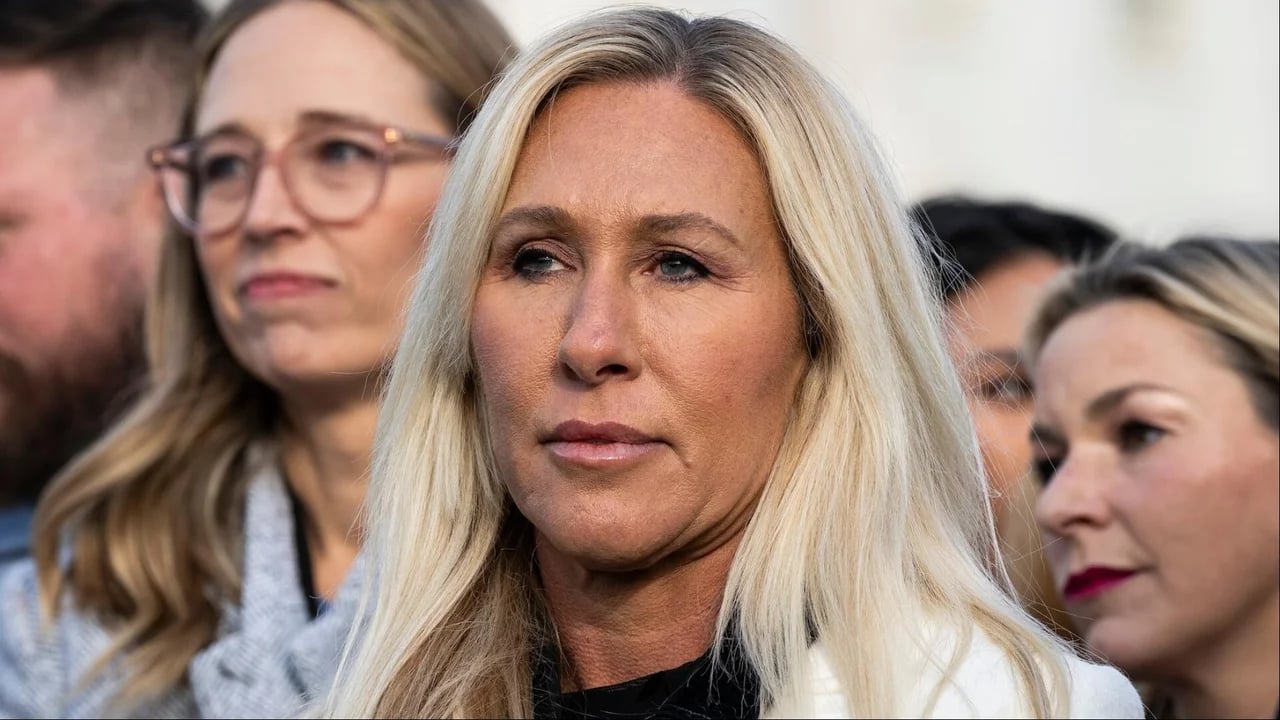
“Marjorie Taylor Greene has been a vocal advocate for Trump’s agenda in Congress,” said political analyst Laura Thompson. “Her resignation is not just a personal decision; it signals deeper fissures within the Republican Party that will shape the 2026 midterm elections, as GOP leadership refines its Republican Party strategy for 2026 midterms.”
Trump quickly reacted to Greene’s resignation on his social media platform, reiterating his support for her and framing her departure as a loss for the MAGA movement. “MTG has been a true fighter for America First policies,” Trump stated. “Her courage and commitment to our shared values will be remembered,” emphasizing Trump’s influence on the GOP as a decisive factor in party politics.
Greene’s resignation also comes amid mounting criticism from Democratic leaders, who have consistently called out her incendiary rhetoric and controversial positions on key national issues. House Speaker Kevin McCarthy responds to Greene resignation, expressing regret over her decision but praising her service to her constituents.
The political ramifications of her exit are being closely monitored. Some strategists believe Greene’s departure may pave the way for a more moderate GOP candidate in her district, while others warn that the MAGA influence within the party remains strong and could dominate future primaries, highlighting the MAGA movement shaping congressional politics and legislative agendas.
In recent months, Greene has faced increased scrutiny over her actions in Congress, including her alignment with far-right initiatives and her public disagreements with other Republican lawmakers. Analysts argue that her resignation might shift the balance of power in key committees and influence legislative priorities, particularly around issues central to Trump’s agenda, such as election integrity and conservative social policies. Critics also point out that Trump sued for dismantling USAID and controversial foreign policies may have indirectly affected Greene’s political standing.
GOP insiders indicate that the party is now at a crossroads, balancing between appealing to the traditional Republican base and maintaining the loyalty of Trump supporters. Greene’s departure underscores the delicate balancing act that GOP leadership faces as it prepares for the next election cycle, especially in light of global reactions such as France defies Israel and US by recognising Palestinian state, Brazil sanctions Israel over Gaza genocide, Belgium to recognise Palestinian state, and Britain to recognise Palestinian state.
For constituents in Georgia’s 14th Congressional District, the resignation means an upcoming special election to fill her seat. Political experts predict a contentious race, with candidates vying to either continue Greene’s staunchly pro-Trump policies or pivot toward a more conventional Republican platform.
As the Republican Party navigates this period of uncertainty, Greene’s resignation serves as a reminder of the enduring influence of Trump on American politics and the challenges facing both the GOP and the broader US political landscape. Whether her departure will weaken the MAGA faction or galvanize it remains a pivotal question in the lead-up to the 2026 midterms.
Marjorie Taylor Greene leaves behind a legacy marked by polarizing rhetoric, fierce loyalty to Trump, and a record that has reshaped conversations within the Republican Party. Her resignation will likely continue to reverberate in political circles, influencing strategies, alliances, and public perceptions of the GOP in the months ahead.