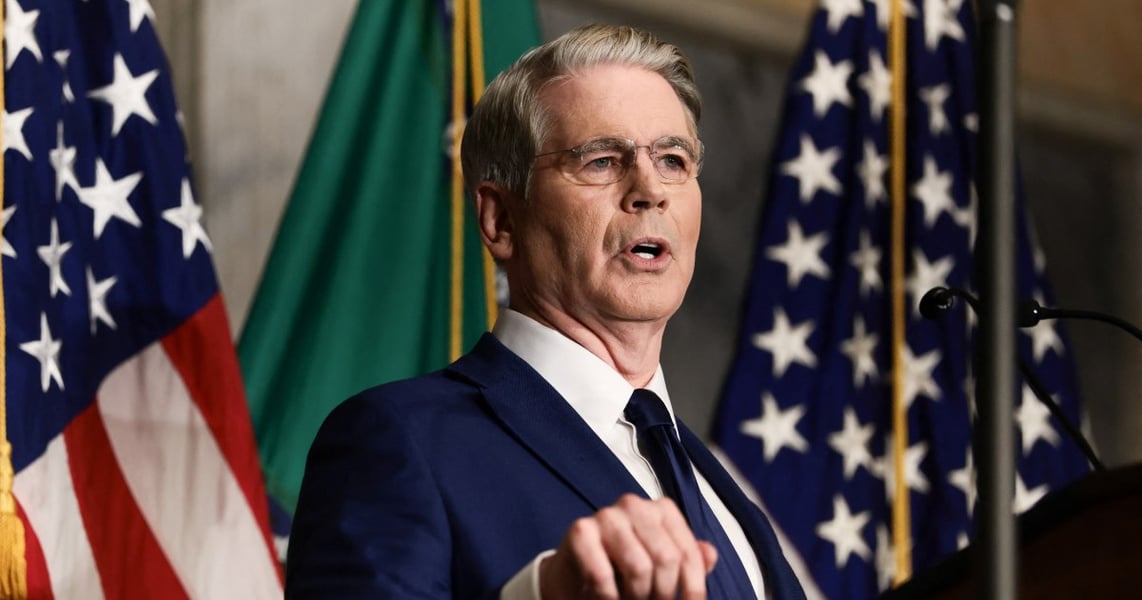

WARSAW — The proposal arrived not through back channels or diplomatic whisper, but posted directly by Poland’s defense minister on social media, addressed to the American secretary of defense. What Władysław Kosiniak-Kamysz sent to Pete Hegseth on Wednesday was not an aspiration — it was an official request for a permanent United States military base on Polish soil.
“US engagement in Poland’s security is not diminishing — on the contrary, it may be even greater,” Kosiniak-Kamysz wrote on X. “I have conveyed to Secretary Hegseth an official proposal to establish a new permanent base for US troops in Poland.”
The timing is not coincidental. Poland made the move just two weeks after Washington sent conflicting signals about its force posture in Europe — first canceling a rotation of 4,000 troops bound for Poland, then abruptly reversing course as NATO allies expressed alarm. Trump reversed the withdrawal and announced 5,000 additional soldiers for Poland, but Warsaw has drawn a harder lesson from the episode: rotational commitments can be revoked with a phone call.
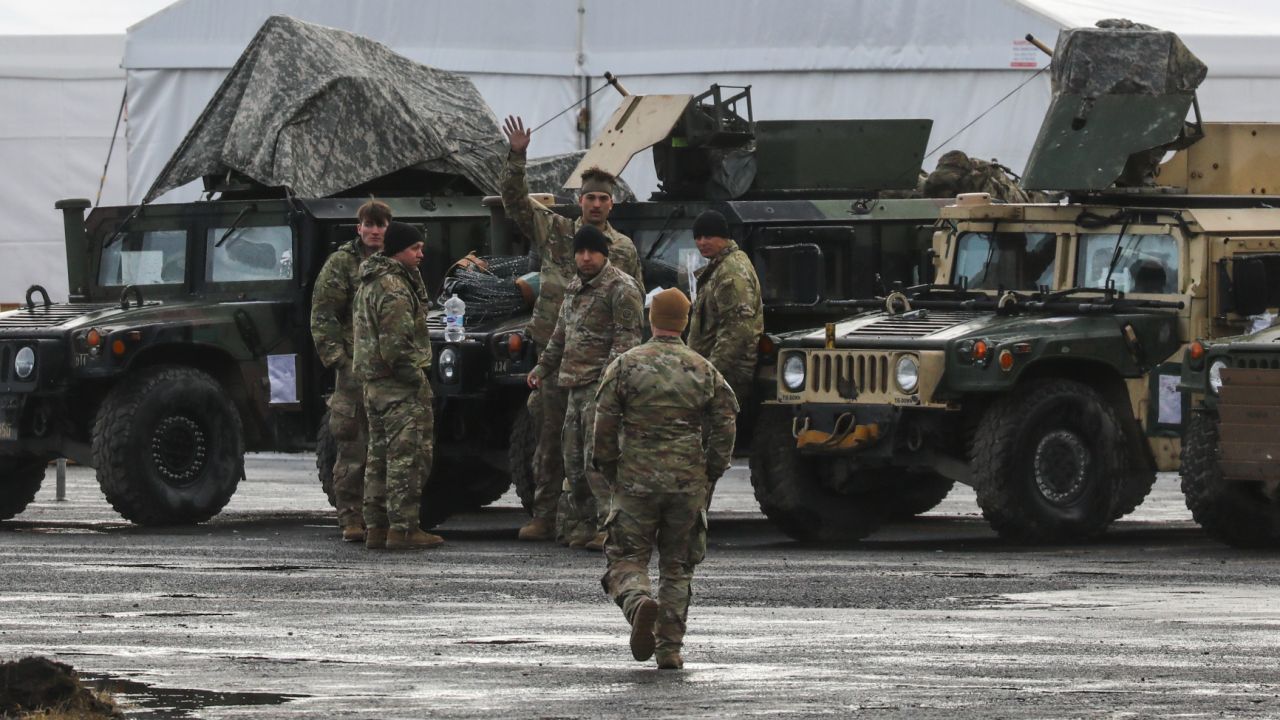
That vulnerability is precisely what the permanent base proposal is designed to address. Approximately 10,000 US troops are currently stationed in Poland on a rotational basis — legally and logistically easier to redeploy than forces anchored at a permanent installation. Poland’s ask is essentially a request that Washington transform goodwill into concrete infrastructure, with all the institutional inertia that creates.
It is also Poland’s second attempt at the same proposition. During Donald Trump’s first term in office, then-President Andrzej Duda stood in the White House Oval Office and proposed a permanent base he suggested naming Fort Trump, offering more than two billion dollars to fund it. Trump said he would consider the idea. The base was never built. What Poland received instead was Camp Kosciuszko in Poznań — a permanent US Army garrison headquarters established in 2023, but without the combat forces that would give such an installation strategic weight.
Whether this proposal fares differently will depend less on Warsaw’s determination than on Washington’s calculus ahead of the NATO summit in Ankara in July. The alliance is expected to set clearer expectations for burden-sharing and force posture, and Poland — which already spends roughly 4.7 percent of gross domestic product on defense, the highest share in the alliance — comes to that discussion with unusual leverage. Trump has long framed NATO through the lens of which members pay their way; Poland, almost uniquely among European allies, has made that critique structurally impossible to apply.
Deputy Defense Minister Paweł Zalewski told The Washington Times last month that Poland was prepared to offer “attractive conditions” to host US troops permanently — including full-scale facilities capable of housing service members’ families, a signal that Warsaw is willing to absorb the infrastructure costs that typically complicate such negotiations. Whether that financial offer moves the Pentagon is another matter. Hegseth has not publicly responded to the proposal.
Domestic opinion in Poland is more divided than its government’s posture suggests. A poll conducted by the IBRIS research institute found 44.1 percent of respondents in favor of a permanent American base, against 40.9 percent opposed — a narrow plurality that reflects real ambivalence about permanently tethering Polish sovereignty to American strategic priorities. That ambivalence has not stopped Warsaw’s political class from pushing forward, but it does mean the proposal carries some domestic political risk.
The broader question the proposal raises — one that Warsaw and Washington have not resolved in nearly three decades — is whether a permanent US military presence in a former Warsaw Pact country triggers obligations under the 1997 NATO-Russia Founding Act, which committed the alliance not to permanently station substantial combat forces in such territories. Poland and other eastern NATO members have long argued the act was effectively voided by Russia’s military actions in Ukraine. Moscow would contest that reading vigorously. Washington is separately weighing the deployment of nuclear weapons to more NATO countries along Russia’s eastern flank, a parallel track that adds pressure to the base question.
What Poland has made clear, through the proposal and the years of defense spending that precede it, is that it no longer trusts ambiguity to deter. The rotational model offered flexibility; it also offered Russia a theoretical off-ramp should Washington’s political winds shift again. A permanent base, Warsaw has concluded, removes that variable. Kosiniak-Kamysz has also ruled out transferring SAFE-funded weapons to Ukraine, drawing a careful line between Poland’s commitment to NATO deterrence and its reluctance to become a direct conduit for Kyiv’s war effort. Whether the Trump administration agrees — or whether the Ankara summit produces something more binding than another reaffirmation of “ironclad” commitments — is the question the proposal leaves open.
Poland’s defense establishment spent years building toward this moment. The ask is on the table. The answer is not.
—Inputs from RIA Novosti, Sputnik.