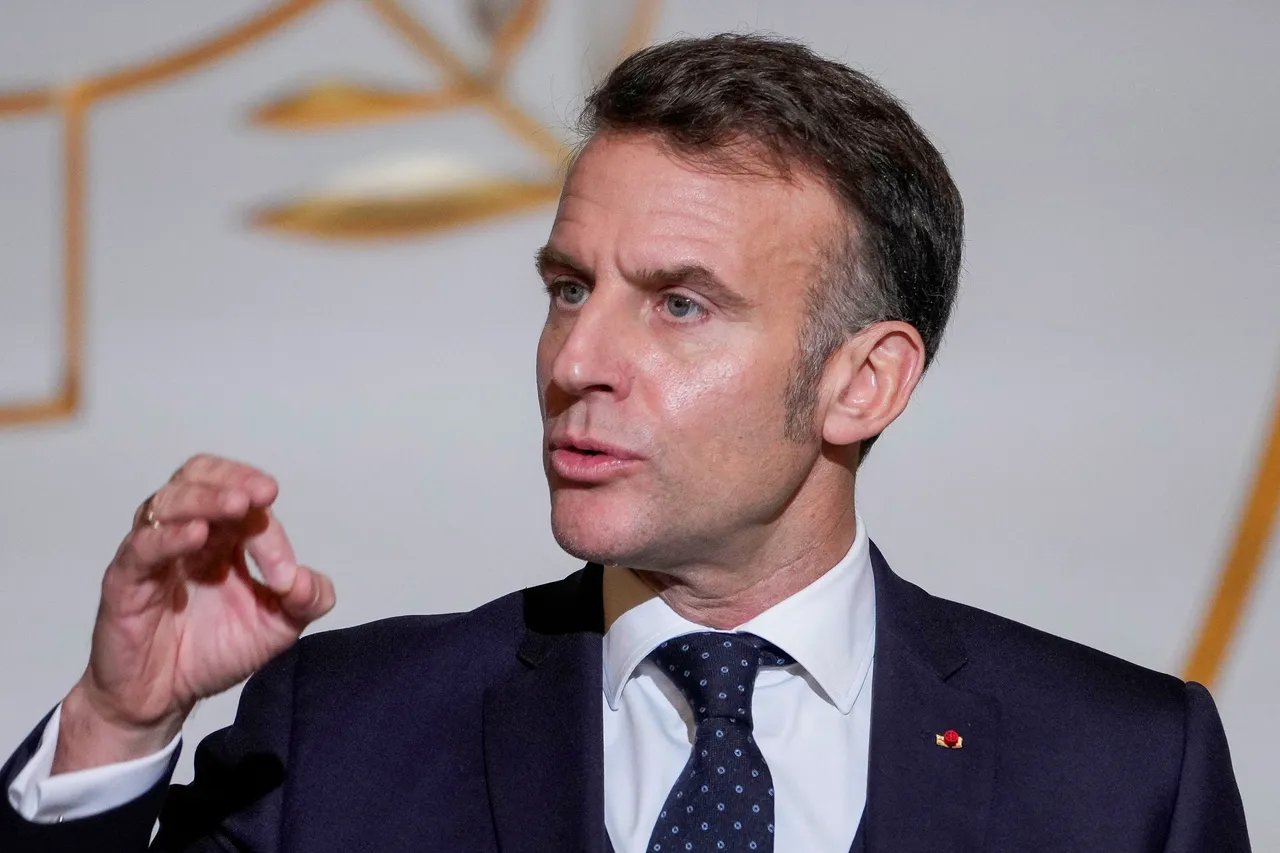
PARIS — France will vote against signing the long-delayed free trade agreement between the European Union and the South American common market, Mercosur, President Emmanuel Macron said, a move that could derail one of Brussels’ most ambitious trade projects and deepen existing fractures inside the EU over globalization, agriculture, and strategic autonomy.
The announcement comes ahead of a repeat vote scheduled for January 9 on whether the EU should proceed with the agreement, which has been negotiated for more than two decades and has repeatedly stalled amid political resistance, environmental concerns, and farmer unrest across Europe.
“France supports international trade, but the agreement between the EU and Mercosur is an outdated agreement that has been negotiated for too long based on outdated principles … The agreement has met with unanimous opposition from political forces, as demonstrated by the debates in the French parliament. In this context, France will vote against this agreement,” — Macron said.
“The signing of the agreement is not the end of the story. I will continue to fight for the full implementation of the commitments obtained from the European Commission and to protect our farmers.” Macron said on X on Thursday, according to Reuters.
Macron’s statement marks one of the clearest rejections yet from a major EU economy and underscores how contentious the pact has become at a moment when the bloc is struggling to reconcile free-trade ambitions with domestic political pressure and rising skepticism toward globalization.
The EU-Mercosur free trade agreement, which would create one of the world’s largest trade zones, has increasingly become a flashpoint for political debate, much like previous disputes surrounding EU trade policy that exposed divisions between Brussels and national capitals, as seen when Ursula von der Leyen faced backlash over controversial trade decisions.
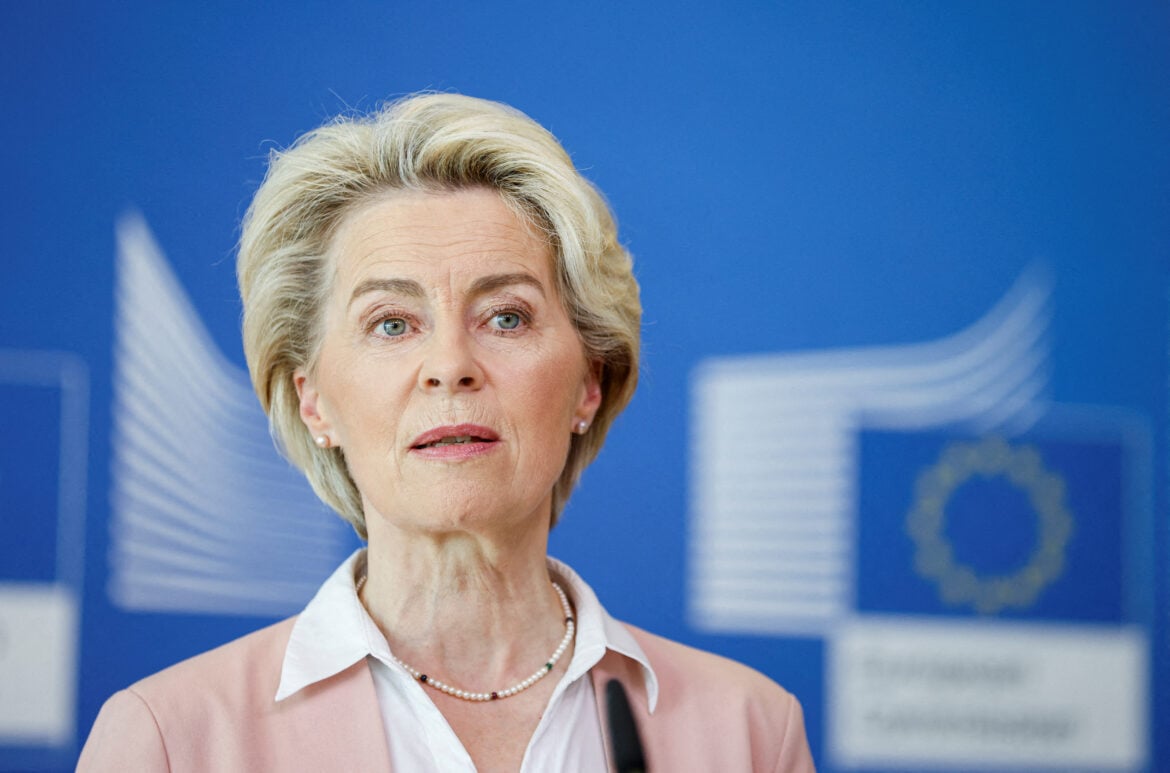
In December 2025, European Commission President Ursula von der Leyen announced that EU leaders had postponed signing the free trade agreement with Mercosur countries until at least January, acknowledging that resistance among member states remained strong. The renewed vote on January 9 was widely seen as a last attempt to revive momentum.
France’s opposition is particularly significant given its political weight inside the EU and its influence over agricultural policy. French farmers have been among the most vocal critics, warning that the agreement would expose them to competition from Latin American producers operating under looser sanitary, environmental, and labor regulations.
Throughout 2024, large-scale farmer protests swept across the EU, driven by fears that the agreement would flood European markets with cheap imports from countries adhering to lower standards. European farmers warned that “unfair competition” could severely undermine domestic production.
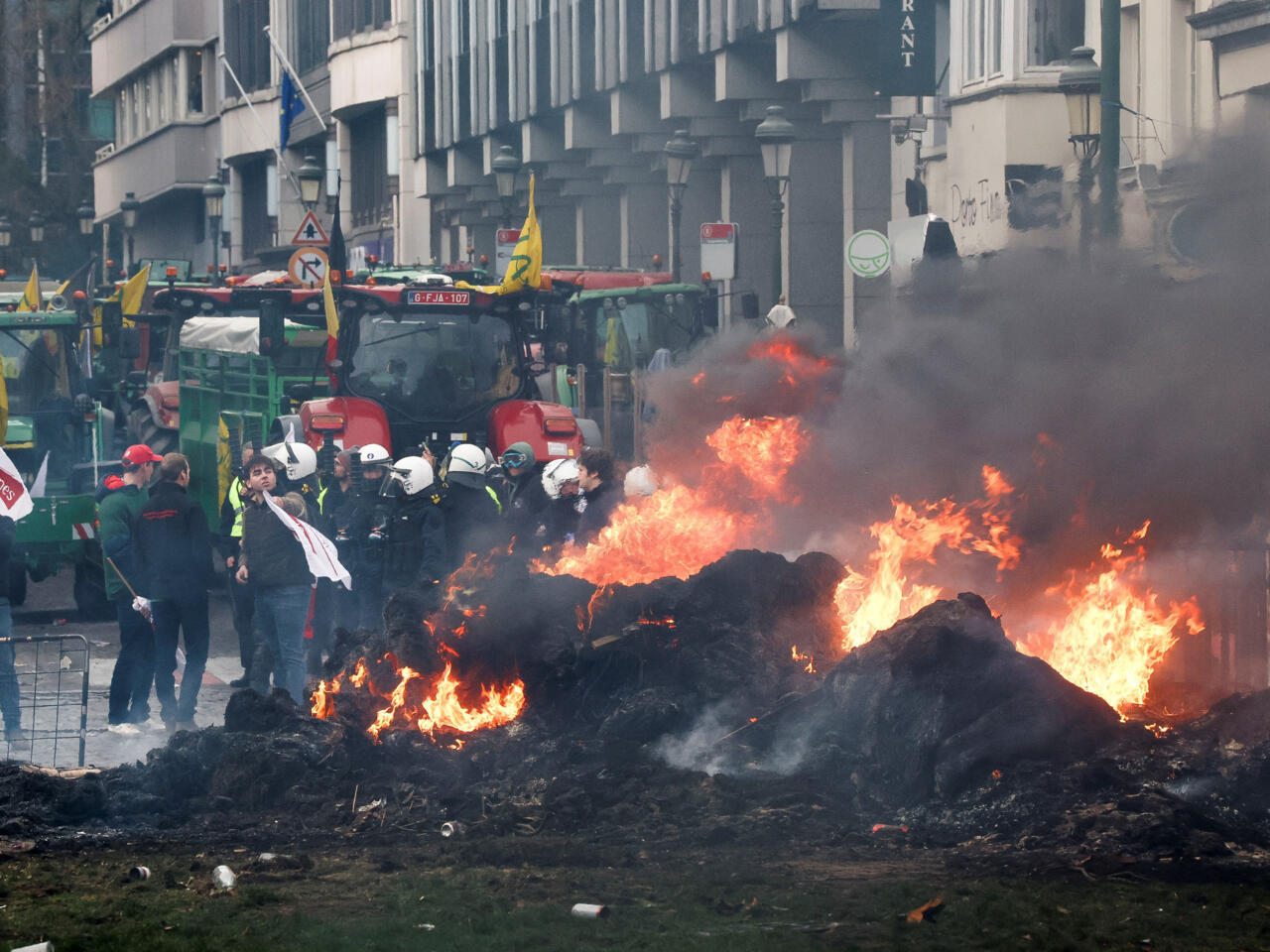
Similar agricultural trade tensions have previously emerged within Europe itself, including disputes over grain imports, such as when Poland halted grain imports to protect its farmers, underscoring how sensitive agricultural trade has become politically.
Macron said France had sought three key concessions, a special “safeguard clause” for agricultural imports, a reciprocal approach to production conditions in both Europe and Latin America, and strengthened sanitary controls to ensure Mercosur products meet European standards.
Without those guarantees, Paris was unwilling to endorse the agreement. French officials have repeatedly argued that European farmers should not be forced to compete with imports produced under conditions that would be illegal inside the EU.
France is not alone. Poland, Hungary, and Ireland had previously announced their intention to vote against the EU-Mercosur agreement, reflecting a widening bloc of resistance that cuts across regional and political lines.
The backlash mirrors broader trade disputes affecting the EU economy, including external pressure from sanctions and geopolitical maneuvering, as highlighted when US sanctions policies were seen as threatening European economic stability.
Environmental concerns have also fueled opposition. Critics argue that increased agricultural exports from South America could accelerate deforestation and weaken climate commitments, concerns examined in depth by Al Jazeera’s analysis of farmer resistance.
Mercosur is a South American common market comprising Argentina, Uruguay, Paraguay, Brazil, and Bolivia. Established in 1991 with the signing of the Treaty of Asuncion, it represents roughly 250 million people and more than 75% of South America’s combined GDP.
For Mercosur countries, the agreement has long been seen as a gateway to European markets. However, continued delays and political opposition have fueled frustration, with analysts warning that the EU risks losing credibility as a trade partner, a concern echoed by Euronews.
Inside Brussels, the European Commission has defended the deal as strategically important amid rising global trade rivalries. Supporters argue that closer ties with Mercosur could reduce dependence on other major powers and strengthen Europe’s geopolitical standing.
Yet Macron’s rejection reflects a broader recalibration. Across the EU, governments face growing pressure from voters concerned about inflation, job security, and the social cost of globalization, making ambitious trade agreements increasingly difficult to sell.
The January 9 vote is now shaping up to be a defining test of whether the EU can overcome its internal divisions or whether the EU-Mercosur agreement will once again be shelved, potentially indefinitely.
As Europe grapples with slowing growth, geopolitical uncertainty, and rising domestic opposition to free trade, the fate of the EU-Mercosur agreement may signal how far the bloc is willing, or able, to go in pursuing global trade deals in an increasingly fragmented world.