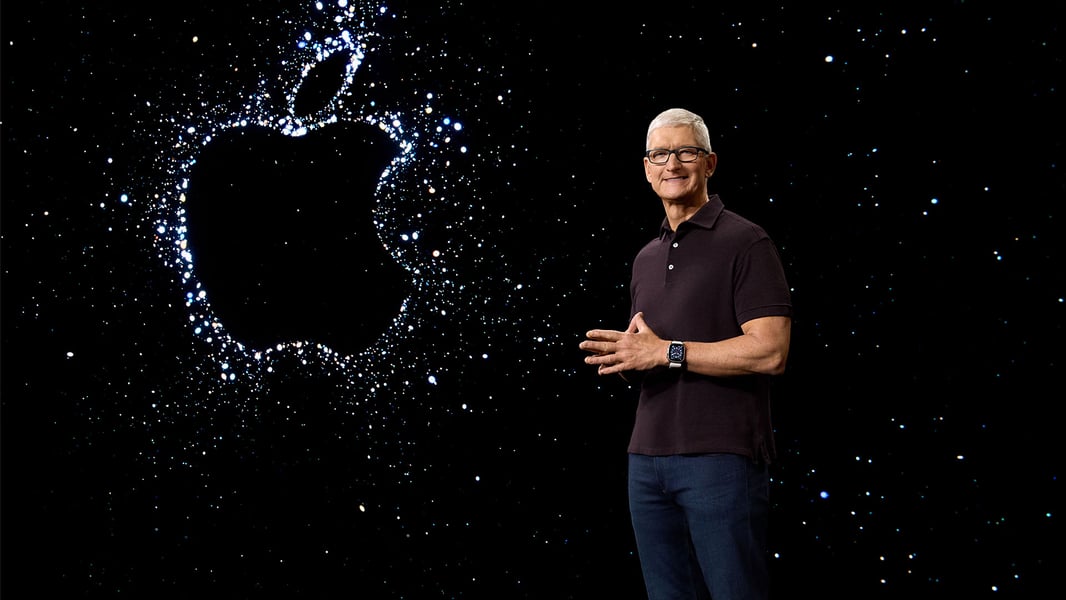

CUPERTINO — Tim Cook has attended dozens of keynotes, but the one he walks into Monday morning at Apple Park carries a specific kind of pressure. The last time Apple promised a transformed Siri, the features didn’t ship — and the company ended up paying $250 million to settle the resulting class-action lawsuit. WWDC 2026 opens June 8 with Cook delivering what is expected to be his final keynote as CEO, and the software update he unveils will be the first functional delivery of AI capabilities Apple advertised in the summer and fall of 2024.
Apple is expected to preview iOS 27, macOS 27, and updates to its other operating systems, with the event focused heavily on AI and Siri. Seven features, assembled from months of credible pre-release reporting, define what iOS 27 is likely to become. Not all of them will arrive on day one. But together they suggest where Apple believes the iPhone needs to be — and how far it still has to go.
Siri, Rebuilt
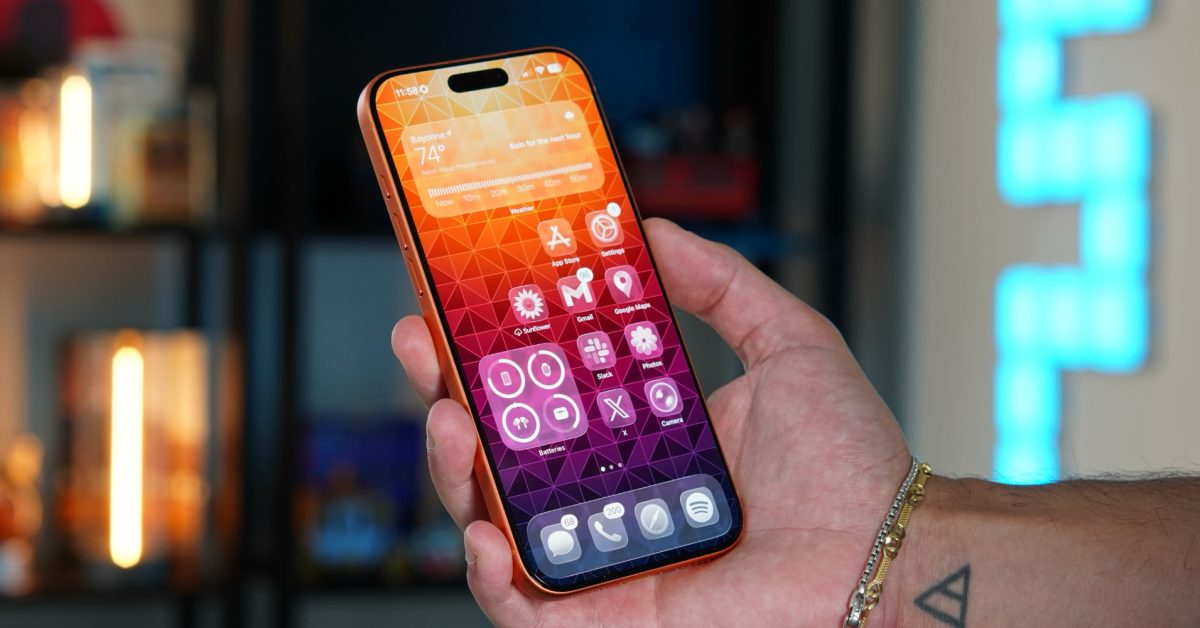
The feature Apple cannot afford to get wrong again is also the one it is betting everything on. The upgraded Siri is expected to include a standalone app, a chatbot-style interface comparable to ChatGPT and Gemini, world knowledge built on a large language model foundation, and a new design tied to the Dynamic Island. Apple is reportedly paying Google roughly $1 billion annually to use a custom 1.2-trillion-parameter Gemini model as Siri’s AI backbone, according to Bloomberg.
That partnership makes this Siri fundamentally different from anything Apple has shipped before. The features Apple promised two years ago — personal context, onscreen awareness, and deep app intent support — were delayed while rivals shipped competitive products. Those capabilities are now expected as part of the same package. Whether they arrive in the initial iOS 27 release or trail behind in a later update remains the open question heading into Monday.
Photos Gets an AI Drafting Table
The Camera Roll has always been a record of what happened. Apple wants it to become a starting point for what you intended to capture. Three new AI tools are expected inside the Photos app: Extend, which generates additional image content beyond the original frame; Enhance, which applies automatic corrections to color, lighting, and image quality; and Reframe, a feature designed primarily for spatial photos that allows users to shift perspective after the shot is taken. The existing Clean Up feature is also expected to improve through Apple’s new partnership with Google for Gemini technology. Eastern Herald’s earlier report on iOS 27’s AI photo editing tools detailed how these capabilities would consolidate under a dedicated Apple Intelligence section inside the app.
Visual Intelligence Moves Into the Camera App Itself
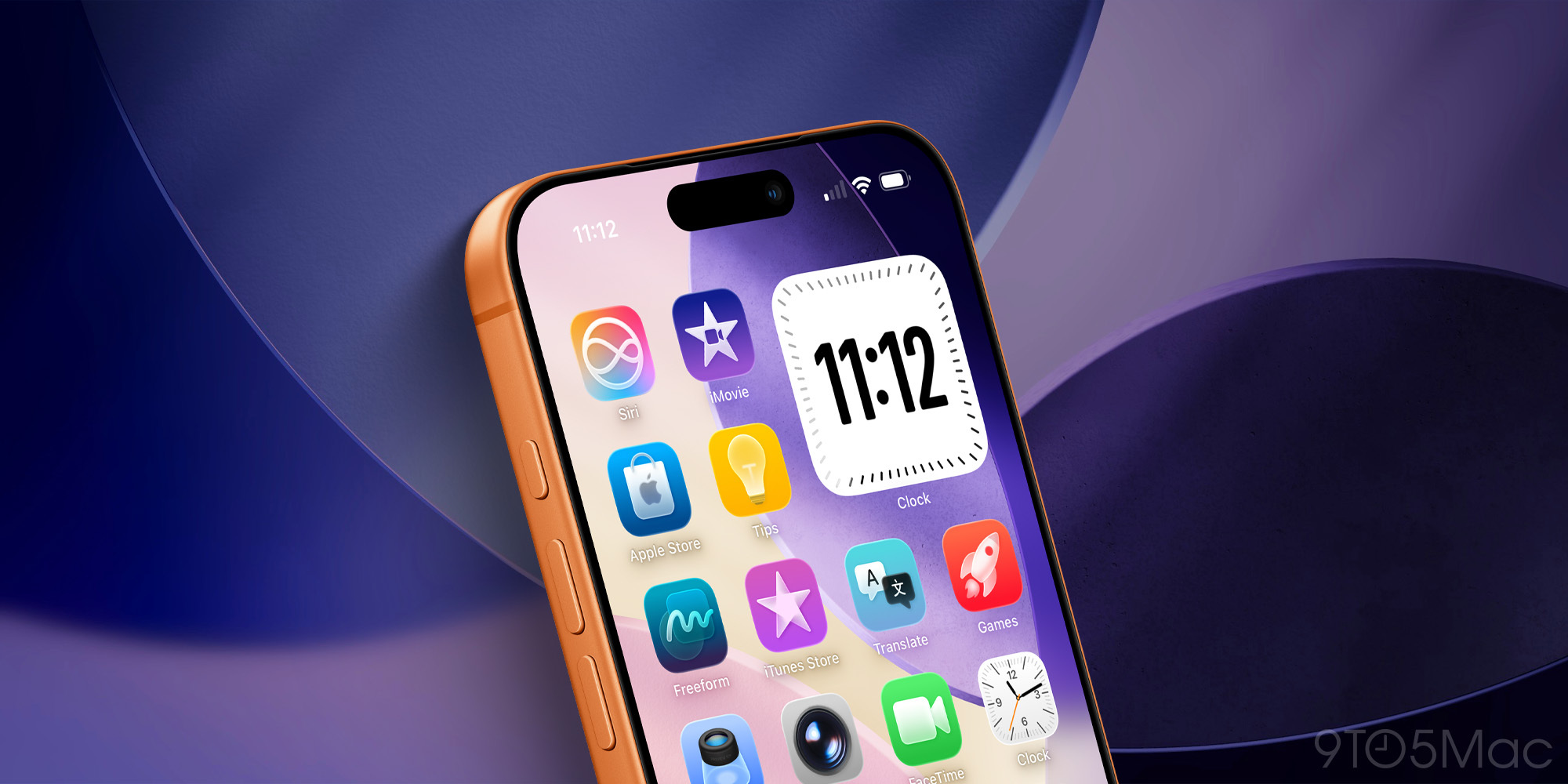
Visual intelligence debuted on the iPhone 16 line, tethered to the Camera Control hardware button. In iOS 27, that constraint disappears. A new Siri mode is expected to appear inside the Camera app alongside the existing Photo and Video options, bringing all current visual intelligence features together with new capabilities — including the ability to scan a nutrition label to log dietary data and capture contact information directly from what the camera sees, according to Bloomberg’s Mark Gurman. The nutrition-tracking integration is notable because it connects the Camera app to Apple Health’s expected upgrade cycle, binding two of iOS 27’s biggest bets to each other before users have even opened either app.
Apple Wallet’s ‘Create a Pass’ Feature
Apple Wallet has spent years accumulating boarding passes and concert tickets. Now it may let users generate passes from scratch. A new Create a Pass feature is expected to let users build a digital pass from a blank template or by scanning an existing QR code with the iPhone camera, with customization options for colors, images, text fields, and three template types: standard, membership, and event. The membership template, oriented toward gyms and recurring venues, and the event template, designed for games and screenings, both point to Apple Wallet’s broader ambition to replace the friction between owning a ticket and using it.
Apple Health’s Long-Promised Coaching Layer
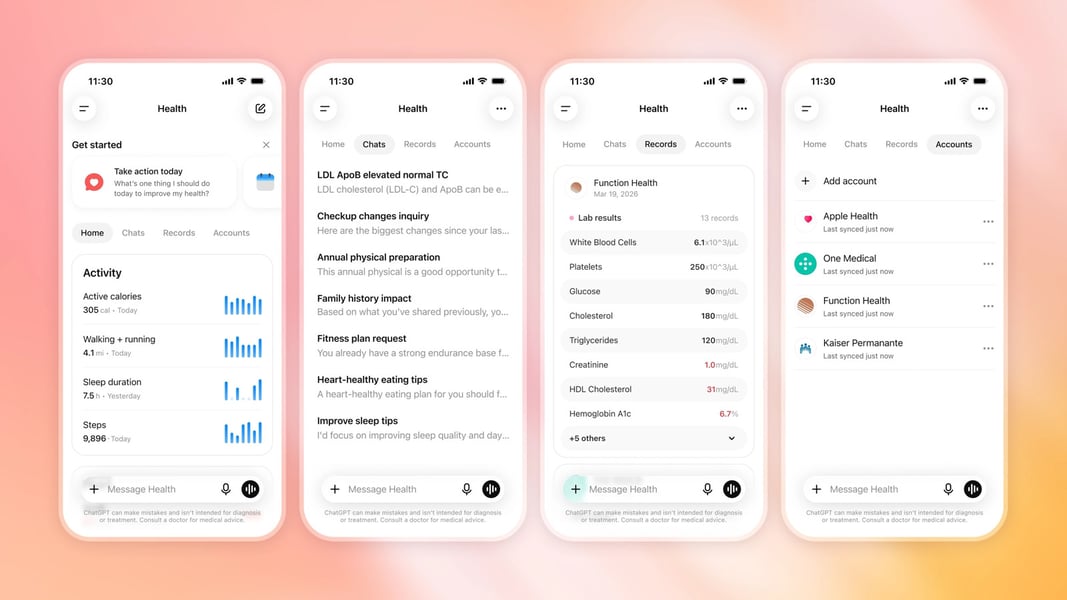
Apple had reportedly been developing a paid service called Apple Health+. That plan was shelved — Eddy Cue is said to have decided to release the features free inside the existing Health app instead. What that means in practice: educational videos created by physicians, AI-powered wellness coaching and suggestions, and more robust nutritional tracking, all arriving as part of iOS 27 rather than a subscription. The caveat, acknowledged across multiple pre-WWDC reports, is that some or all of these Health features may not reach users in the initial release and could trail behind in a subsequent iOS 27 point update.
The Keyboard Learns Grammar
Autocorrect has corrected misspellings for years, occasionally with memorably wrong results. Bloomberg has reported that Apple is working on an expansion that borrows from tools like Grammarly: the keyboard would surface alternative word suggestions based on grammar and context, not just spelling. The feature is expected to be AI-powered and optional, functioning as a layer on top of the existing system rather than a wholesale replacement.
Safari Stops Making You Name Your Tab Groups
Safari’s Tab Groups are genuinely useful and genuinely tedious — useful because they organize research and recurring sessions, tedious because every new group demands a name. iOS 27 is expected to let Apple Intelligence automatically name Tab Groups based on their contents, in the same way Apple Intelligence already generates podcast chapter titles and organizes Reminders lists. It is positioned as an optional feature, which is the right call: automatic naming works when the AI reads the room; when it doesn’t, the user needs an override.
What Isn’t Confirmed
None of these features are official until Cook says so Monday. The timing of the Health additions is unclear. The full scope of Siri’s rollout — whether users will face a waitlist for the new features, as one report suggested — has not been resolved. The first iOS 27 developer beta is expected to be available minutes after the keynote ends, according to MacRumors, with a public beta to follow in July and a full release in September. WWDC 2026 runs through June 12, with developer sessions, lab hours, and engineer access filling out the week after Monday’s keynote.
For the roughly 1.5 billion active iPhone users who won’t be at Apple Park, the update will eventually arrive as a free software download. What those seven features look like when they do — and whether the rebuilt Siri lands as promised this time — is a question that has been outstanding for two years. Monday is when Apple has to answer it.
Related Posts