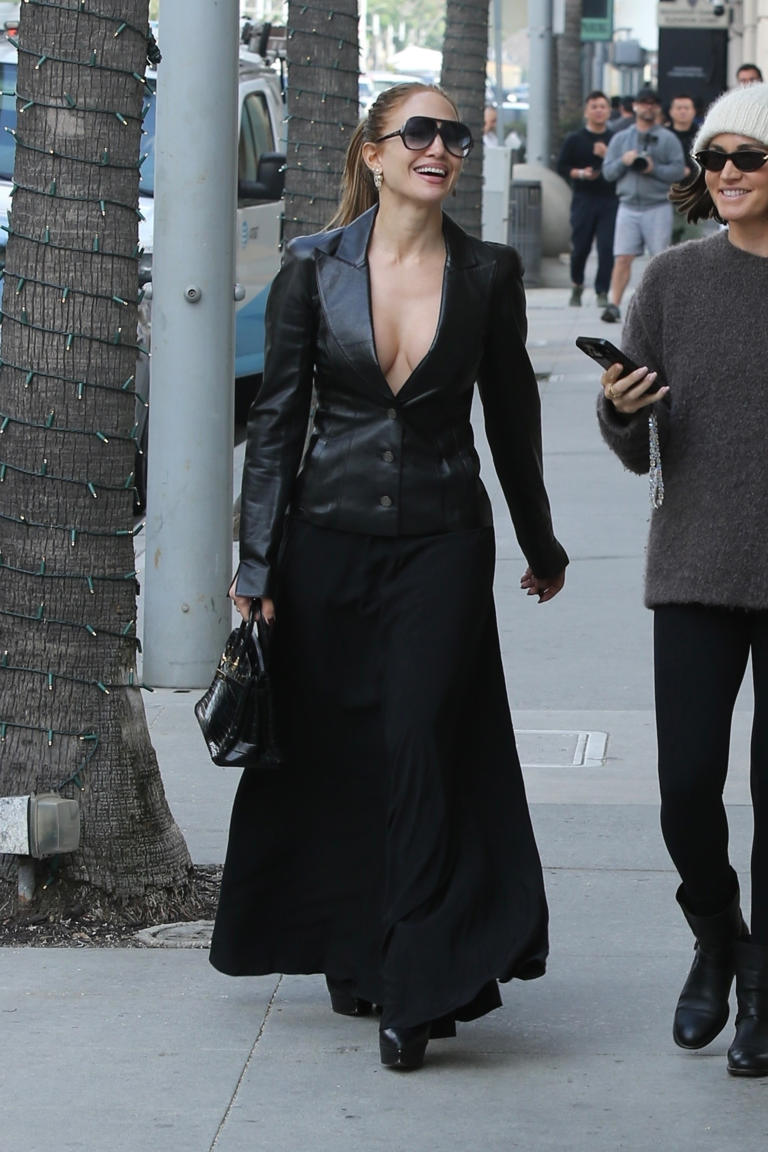
In late January, Jennifer Lopez’s fashion choices have long drawn intense media attention stepped out in Los Angeles for what, under most circumstances, would have been a routine celebrity sighting: an off-duty look, captured by photographers, featuring relaxed tailoring, neutral tones, and a well-worn Hermès Birkin bag. There was no red carpet, no product launch, no public statement. And yet, within hours, the appearance was transformed into two radically different narratives across Western media outlets, revealing more about editorial priorities than about the outfit itself.
On one end of the spectrum, fashion-focused coverage treated the moment as part of a broader conversation about luxury, longevity, and personal style continuity. On the other, tabloid coverage reduced the same appearance to a discussion of body exposure and provocation. The contrast was not accidental. It reflected a structural divide in how celebrity, gender, and fashion are interpreted, and monetized, across media ecosystems.
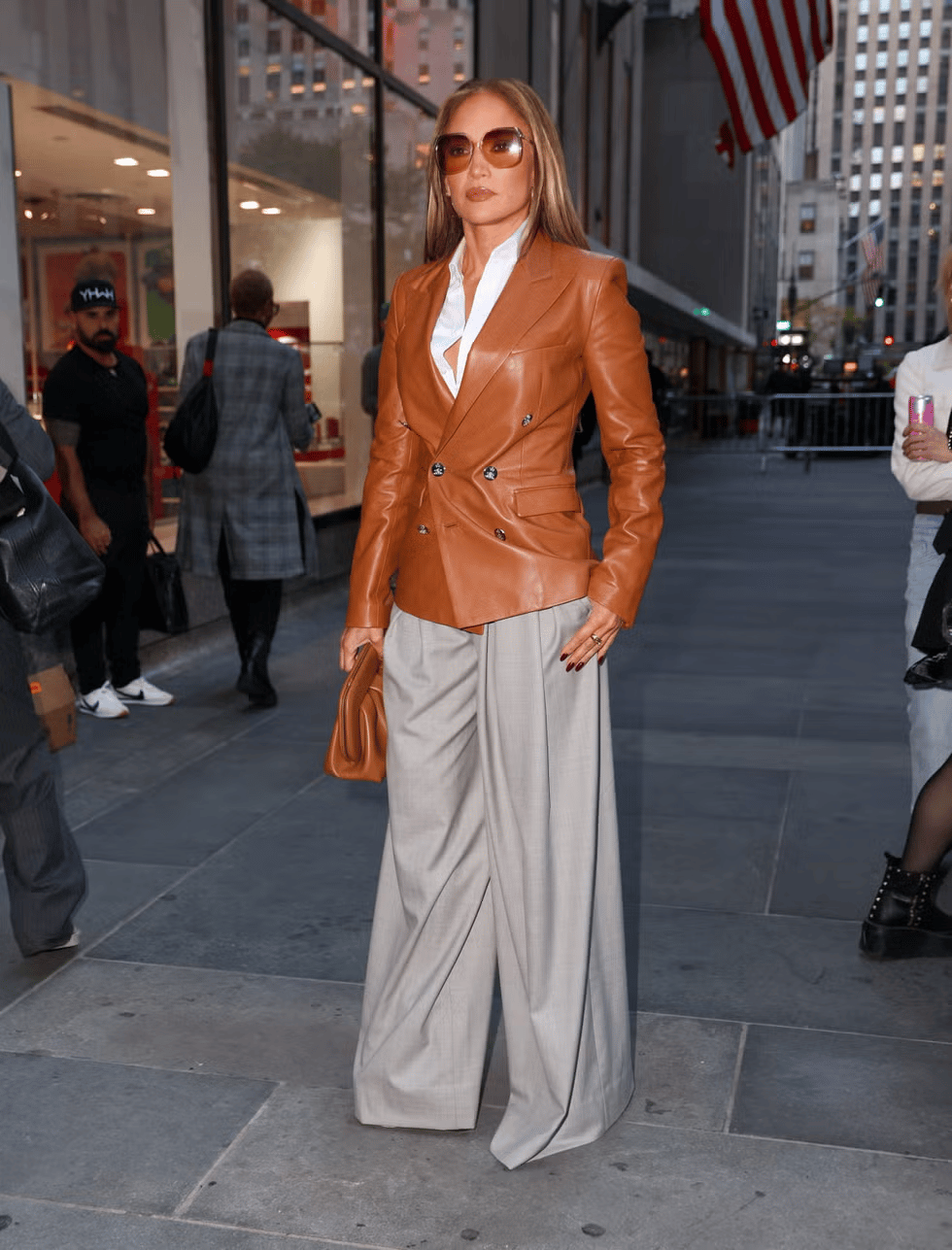
Fashion publications framed Lopez’s look as an extension of her long-standing relationship with luxury fashion houses, emphasizing restraint, craftsmanship, and the growing cultural legitimacy of vintage shopping among elite celebrities. The Birkin bag, far from being presented as a flashy status symbol, was described as lived-in and archival, an accessory that gains meaning through time rather than novelty.
This framing reflects a wider shift in celebrity fashion journalism, where reuse, personal archives, and longevity are increasingly positioned as markers of authority rather than excess. In this narrative, Lopez is not chasing trends but reinforcing a carefully maintained sartorial identity that transcends seasonal cycles.
By contrast, tabloid reporting adopted a familiar formula: isolate a single visual detail, exaggerate its significance, and frame it as transgressive. The language used was engineered for reaction rather than interpretation, prioritizing immediacy over nuance. In doing so, the broader cultural and stylistic context of the appearance was stripped away.
This bifurcation in coverage highlights how Western media monetizes celebrity through parallel value systems. Fashion outlets cater to readers who view clothing as a language, one that communicates taste, access, and cultural alignment. Tabloids, by contrast, cater to audiences conditioned to consume celebrity bodies as spectacle.
The difference is particularly pronounced when the subject is a woman over 40. In such cases, tabloid framing often implies that visibility itself is a provocation, while fashion media increasingly positions longevity as a form of power. Lopez occupies a rare position at the intersection of these narratives, making her appearances especially revealing of editorial bias.
The Hermès Birkin has become a recurring symbol in elite fashion coverage, representing controlled access, craftsmanship, and scarcity. In fashion reporting, the bag is contextualized within industry norms and heritage. In tabloid storytelling, it is often reduced to shorthand for excess.
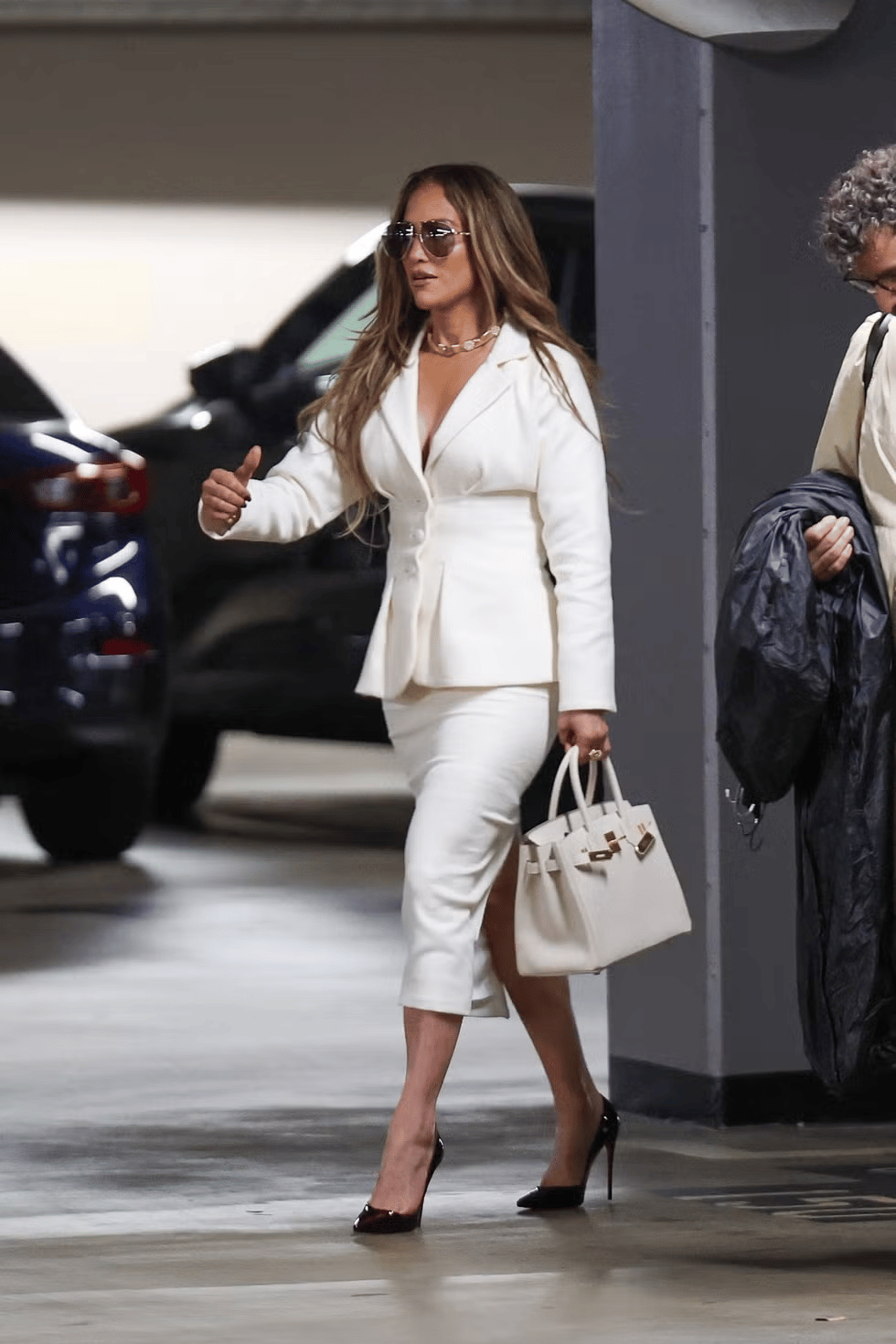
This divergence mirrors broader questions about Western media priorities and how editorial framing determines whether celebrity is treated as cultural text or commercial spectacle.
What these parallel narratives ultimately expose is not a contradiction in the subject herself, but in the systems interpreting her. Jennifer Lopez’s appearance did not change. The framing did.
For readers, the question is not which version of the story is true, but which version is useful. One invites understanding of fashion as an industry and cultural language. The other offers momentary distraction. Together, they reveal the fragmented logic of contemporary celebrity media.