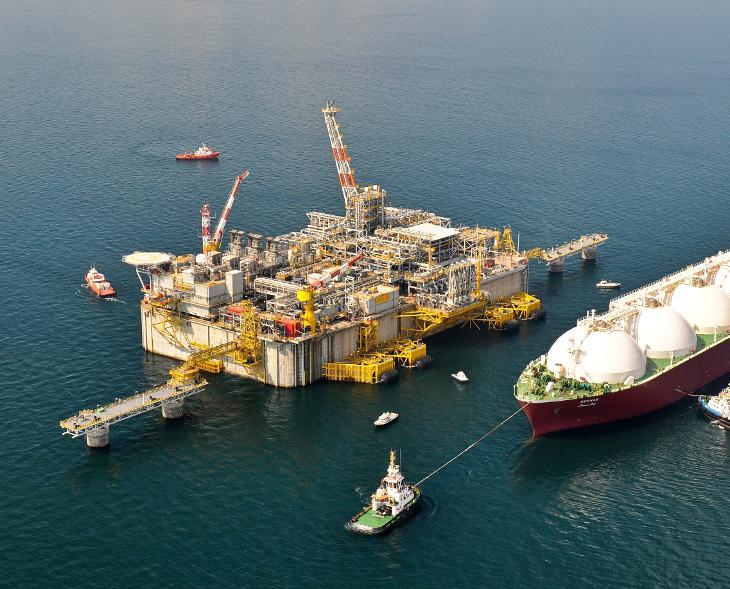
Italy is racing to secure alternative gas supplies after a sudden disruption in liquefied natural gas (LNG) exports from Qatar exposed the fragility of Europe’s energy system, forcing Rome into urgent negotiations with multiple suppliers across continents.
Speaking at an energy event in Milan, Italy’s Environment and Energy Security Minister Gilberto Pichetto Fratin confirmed that the government is actively negotiating with the United States, Azerbaijan, and Algeria to offset the loss of Qatari gas, a key component of Italy’s energy mix. The disruption comes after severe damage to Qatar’s LNG infrastructure halted exports, sending shockwaves through global energy markets.
The crisis underscores a deeper vulnerability within Europe’s energy architecture, one that has increasingly relied on geographically concentrated supply chains while distancing itself from traditional sources such as Russia. Now, with Qatar’s exports compromised, Italy and the broader European Union face a renewed test of resilience.
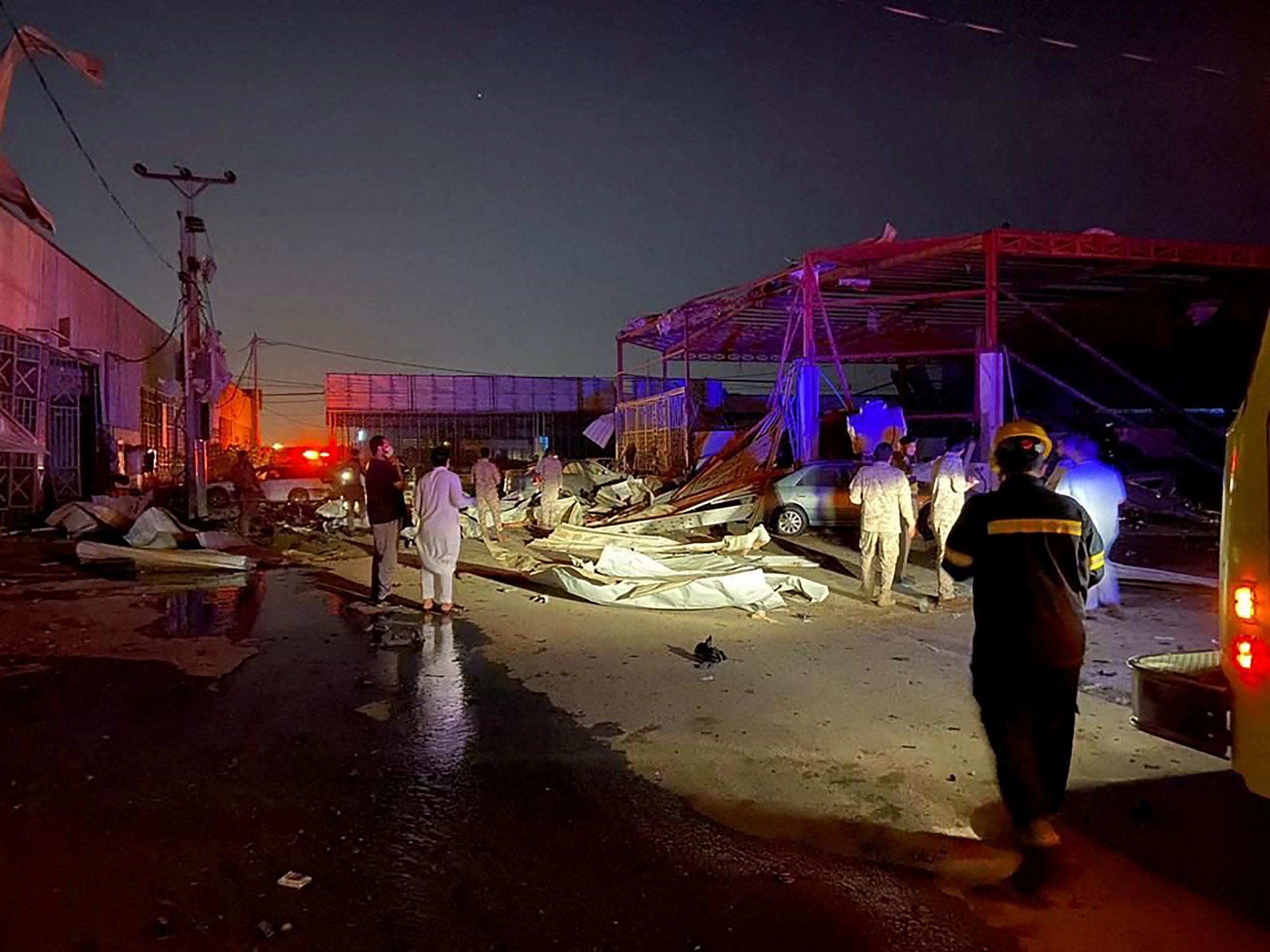
The scale of the disruption is significant. Iranian strikes on Qatar’s energy infrastructure have knocked out roughly 17 percent of the country’s LNG export capacity, with recovery expected to take years rather than months. The damage has forced QatarEnergy to declare force majeure on long-term contracts, effectively suspending supply obligations to several countries, including Italy.
For Italy, the stakes are immediate and tangible. The country imports approximately 6.4 billion cubic meters of gas annually from Qatar, nearly 10 percent of its total consumption. The sudden interruption has left a gap that must be filled quickly to avoid supply shortages and volatility in gas prices in the months ahead.
“We are negotiating with everyone,” Pichetto Fratin said, emphasizing a multi-channel approach involving direct government engagement, state-backed companies, and energy giant Eni. His remarks reflect a broader strategy aimed at diversifying supply routes and reducing dependence on any single supplier.
Italy’s outreach to the United States is not unexpected. Over the past several years, Washington has emerged as a major LNG exporter, positioning itself as a critical alternative for European markets. Previous agreements between Rome and Washington have already laid the groundwork for expanded LNG cooperation.
Yet US LNG comes with its own complexities. Shipping costs, pricing mechanisms tied to global benchmarks, and infrastructure constraints, particularly regasification capacity, all shape how quickly additional volumes can reach European consumers. While American gas offers flexibility, it does not fully replicate the long-term contractual stability that Qatar traditionally provided.
Algeria, by contrast, represents a more established and geographically proximate partner. Already one of Italy’s largest gas suppliers, Algeria has played a central role in Rome’s diversification strategy since the European energy crisis of the early 2020s. Pipelines connecting North Africa to southern Europe provide a level of reliability that LNG shipments cannot always match, particularly during periods of market volatility.

Still, replacing Qatari LNG is not simply a matter of finding equivalent volumes. Qatar has long been one of the world’s most reliable LNG suppliers, with extensive infrastructure and long-term contracts that ensured predictable delivery schedules. The current disruption challenges that model, raising questions about the vulnerability of even the most established energy hubs in times of conflict.
The broader geopolitical context is impossible to ignore. The damage to Qatar’s facilities is part of a wider escalation in the Middle East, where energy infrastructure has increasingly become a target in ongoing hostilities. The implications extend far beyond regional dynamics, affecting supply chains that stretch from the Persian Gulf to Europe and Asia.
For Europe, this comes at a particularly sensitive moment. The continent has spent the past several years restructuring its energy system, reducing reliance on Russian gas while increasing imports from LNG suppliers. That transition, while successful in diversifying sources, has also introduced new dependencies, many of which are now under strain.
Italy’s relative position within Europe offers some degree of resilience. Officials argue that the country’s diversified supply portfolio, including pipeline gas from North Africa, LNG imports from multiple regions, and domestic storage capacity, places it in a stronger position than some of its neighbors.
Indeed, Pichetto Fratin expressed confidence that Italy would be able to begin refilling gas storage facilities for the 2026–2027 winter season by mid-April. Ensuring adequate storage levels will be critical, particularly if supply disruptions persist into the colder months.
Yet confidence does not eliminate risk. The volatility triggered by the disruption has already been reflected in global energy prices, with markets reacting sharply to the loss of Qatari capacity. Even temporary shortages can lead to significant price swings, affecting everything from industrial output to household energy bills.
The situation also highlights a broader structural challenge: the increasing interconnection of global energy markets. A disruption in one region, whether due to conflict, natural disaster, or technical failure, can have cascading effects across continents. In this case, the halt in LNG exports from Qatar is not merely a regional issue but a global one, influencing supply dynamics across Europe’s gas supplies and beyond.
Italy’s response, therefore, is not just about securing immediate supplies but about reinforcing long-term energy security. Diversification, infrastructure investment, and strategic partnerships are all part of a larger effort to build resilience against future shocks.
At the same time, the crisis raises questions about the sustainability of current energy policies. As Europe continues to pursue decarbonization and transition toward renewable energy, the role of natural gas remains contested. While gas is often seen as a “bridge fuel,” events like the current disruption underscore its continued importance, and the risks associated with over-reliance on external suppliers.
The European Union has maintained its stance against returning to Russian gas, even as alternative supplies face disruption. This decision reflects both political considerations and a long-term commitment to reshaping the continent’s energy landscape. But it also narrows the range of options available in times of crisis.
In this context, Italy’s negotiations with multiple suppliers represent more than just a short-term fix. They are part of a broader recalibration of the European Union’s energy strategy, one that must balance geopolitical realities, market dynamics, and environmental goals.
For now, the immediate priority is clear: secure sufficient gas supplies to stabilize the market and ensure that storage facilities are adequately filled ahead of winter. Whether Italy can achieve this without significant economic impact remains to be seen.
What is certain is that the disruption of Qatari LNG exports has once again exposed the delicate balance at the heart of global energy systems. In an era defined by geopolitical uncertainty, even the most established supply chains can no longer be taken for granted.
As Rome navigates this evolving crisis, its actions will likely serve as a bellwether for Europe’s broader response, a test of whether diversification efforts have truly strengthened the continent’s energy security, or merely shifted its vulnerabilities from one region to another.