Wall Street’s brief rally this week has given way to renewed turbulence, as global markets grapple with a rapidly escalating geopolitical crisis centered on Iran and its far-reaching consequences for oil, inflation, and financial stability.
On March 25, investors initially embraced a wave of cautious optimism. Hopes that diplomatic channels might ease tensions in the Middle East lifted equities across the board, with technology stocks leading gains and major indexes posting moderate advances. But within hours, that fragile confidence unraveled. By March 26, markets were again under pressure, reversing gains as oil prices surged above $105 and geopolitical risks intensified.
The result is a market increasingly driven not by earnings, economic growth, or corporate performance, but by the unpredictable rhythm of war, energy supply disruptions, and political signaling.
A Market Moving to the Beat of Oil
The most dominant force shaping global markets right now is oil.
Crude prices have surged dramatically in March, driven by fears of supply disruptions linked to escalating conflict and instability in the Strait of Hormuz, a chokepoint that carries a significant portion of the world’s oil supply. Analysts warn that prolonged disruption could trigger global recession fears across multiple economies.
This surge has had immediate consequences:
- Equity markets declined globally
- Bond yields rose as inflation expectations climbed
- Rate-cut expectations weakened
- Currency markets shifted toward safe-haven assets
The connection is straightforward but powerful: higher oil prices feed inflation, and inflation constrains central banks, tightening financial conditions across the global economy.
From Rally to Retreat in 24 Hours
The speed of market reversal this week highlights the fragility of investor sentiment.
On March 25, markets rose on expectations, however tentative, that tensions could ease. Investors responded to even the slightest signals of diplomacy, pushing indexes higher in a classic relief rally, echoing earlier Wall Street rebound patterns seen earlier this month.
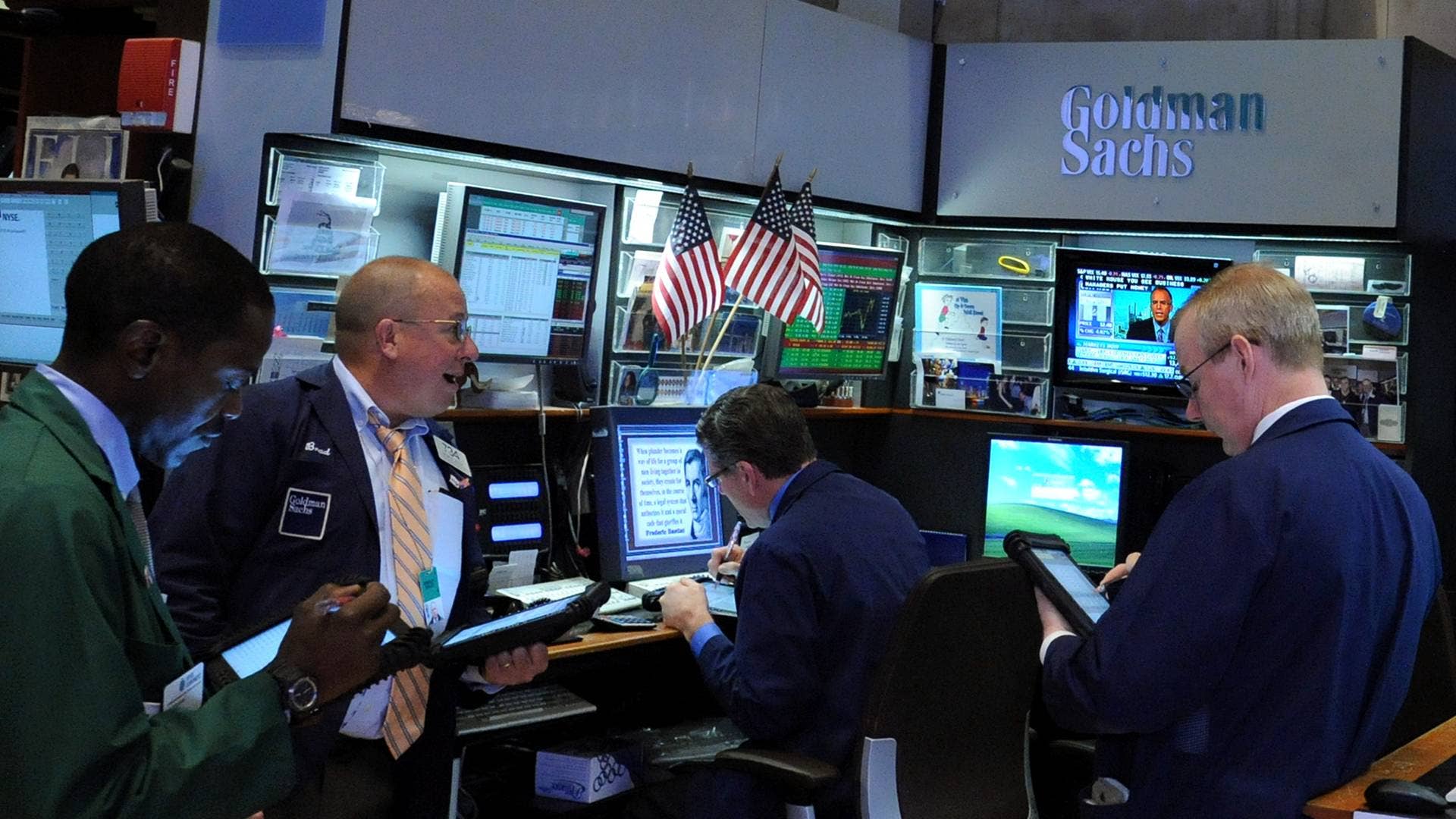
But by the next trading session, those hopes had faded. Wall Street opened lower, with all three major indexes declining as investors reassessed the likelihood of a prolonged conflict.
The pattern underscores a critical dynamic: markets are now reacting less to confirmed outcomes and more to evolving expectations, making volatility both frequent and unpredictable.
Inflation Fears Reignite
The resurgence in oil prices has revived one of the market’s most persistent concerns: inflation.
After months of gradual easing, inflation risks are once again climbing as energy costs rise. Higher fuel prices ripple through the economy, increasing transportation, manufacturing, and consumer costs.
This has forced a recalibration of monetary policy expectations. Investors are now factoring in a prolonged period of global stock market sell-off conditions if inflation remains elevated.
At the same time, Treasury markets have shown signs of stress, as the Iran oil shock disrupts liquidity and increases volatility across bond markets.
The Strait of Hormuz: A Global Pressure Point
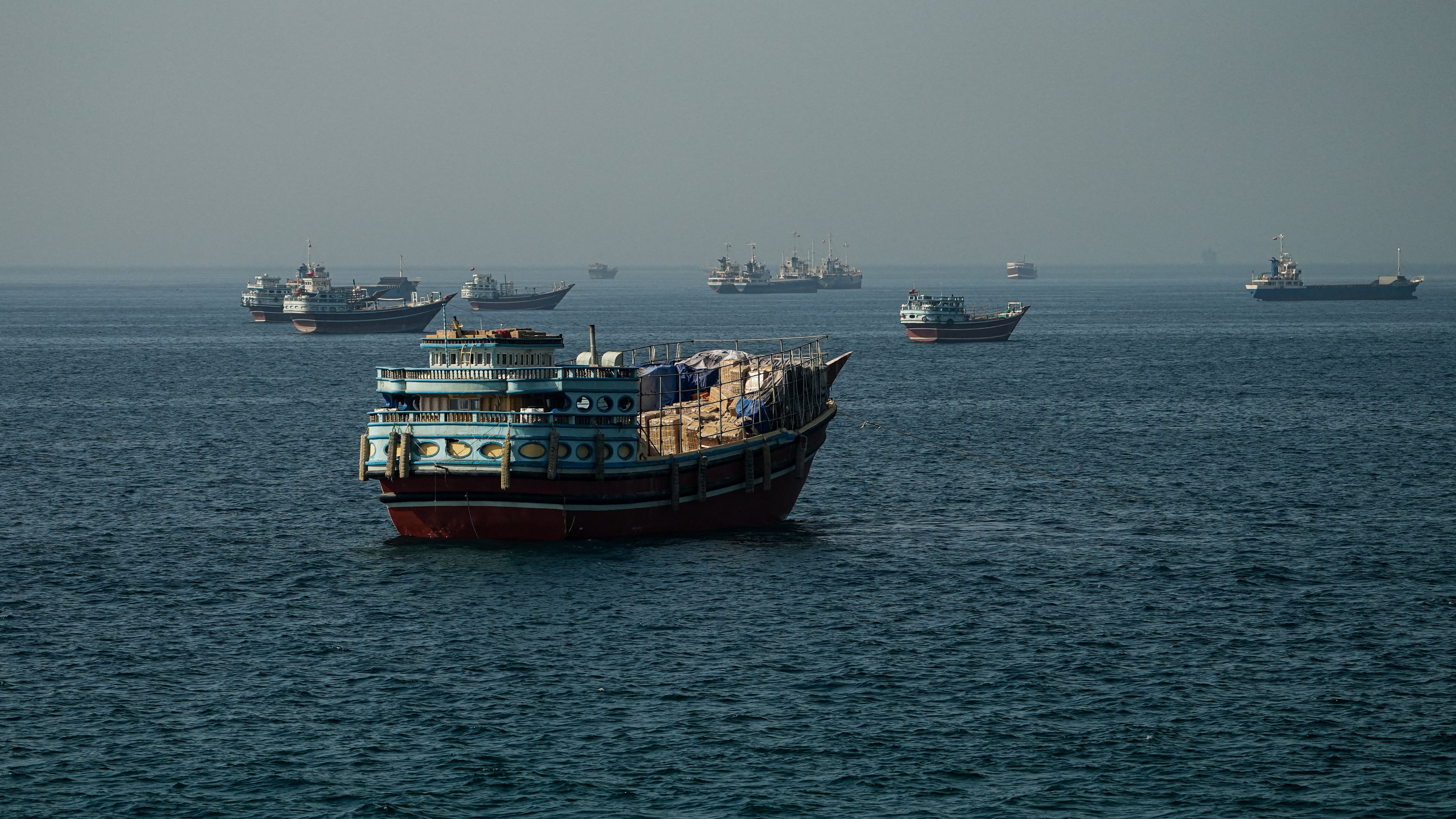
At the center of the crisis lies the Strait of Hormuz, a narrow but critical maritime corridor.
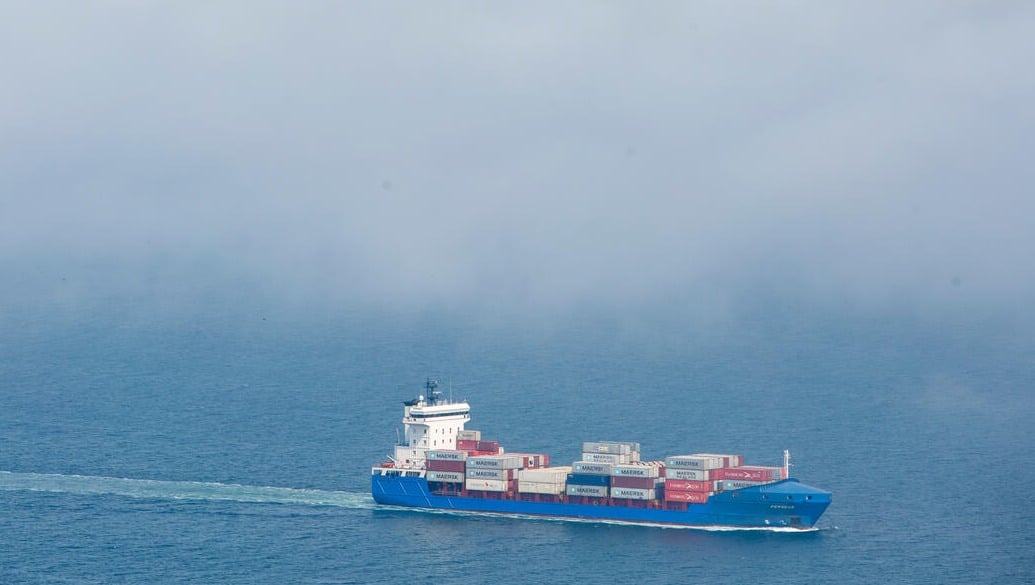
Disruptions in this region have already reduced tanker traffic significantly and raised fears of a prolonged supply shock. Analysts warn that oil could surge even further, with some projections suggesting oil could surge to $150 if tensions escalate further.
Such a scenario would have cascading effects across the global economy.
Sector Winners and Losers
The current environment has created sharp divergences across sectors.
Energy companies have benefited from rising prices, while technology stocks, sensitive to interest rates, have faced pressure. The broader market has seen periods where the Dow falls sharply amid renewed selling pressure.
Meanwhile, ongoing oil price volatility continues to drive rapid sector rotation, forcing investors to adjust strategies in real time.
Global Markets Follow Wall Street’s Lead
The turbulence on Wall Street has echoed across global markets. European and Asian equities have also declined, reflecting shared concerns about energy costs and economic uncertainty. Reports confirm that global markets decline as oil prices spike and geopolitical risks intensify.
Emerging markets remain particularly vulnerable, especially those dependent on imported energy.
A Financial System Under Strain
Beyond equities and commodities, the current crisis is testing the resilience of the financial system itself.
Treasury markets, long considered the bedrock of global finance, have shown signs of stress, with liquidity tightening and volatility increasing. Institutional investors are adjusting to a rapidly changing environment where oil production uncertainty is becoming a central risk factor.
The Psychology of a Headline-Driven Market
Perhaps the most striking feature of the current environment is how quickly sentiment shifts.
Markets are responding to headlines in real time. A single development can trigger massive moves across asset classes, reinforcing a cycle of volatility. This dynamic was evident as the Dow falls sharply amid renewed geopolitical escalation.
What Comes Next
The trajectory of global markets now hinges on a single question: how long will the current geopolitical tensions persist?
If tensions ease, markets could stabilize. But if escalation continues, the world may face deeper financial disruptions, prolonged inflation, and sustained market volatility.
Wall Street’s recent swings tell a broader story about the state of global markets.
This is no longer a market driven by fundamentals alone. It is shaped by geopolitics, energy shocks, and uncertainty.
The rally reflected hope.
The sell-off reflects reality.