What began as a quiet runway experiment has exploded into a full-scale global takeover. From the red carpet in Europe to street style in New York and Paris, cobalt blue is no longer just a color trend, it is a cultural signal, a rejection of restraint, and a declaration of confidence in an era that is rapidly abandoning minimalism.
The shift did not happen overnight. For years, fashion was dominated by muted palettes, beige, cream, charcoal, driven by the rise of “quiet luxury.” But now, that aesthetic is being dismantled. In its place, a new visual language has emerged: bold, expressive, unapologetic. And at the center of it stands cobalt blue.
According to recent runway analyses, the color first gained traction during the Spring 2025 collections, before becoming a dominant visual force across collections. By Spring 2026, the shift was undeniable, with major luxury houses pushing saturated blue tones into the spotlight.
The runway, however, was only the beginning.
The real turning point came when celebrities embraced the shade with unusual intensity.
At the Zurich Film Festival, Dakota Johnson appeared in a striking cobalt Gucci gown, while Greta Lee stepped out in a sharply tailored suit. Alexander Skarsgård followed with a bold Valentino look, signaling that the trend was not confined to womenswear. This surge in cobalt blue has moved beyond trend status and into full cultural dominance.

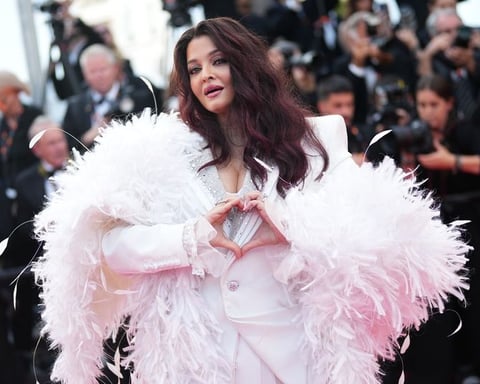
- Designers showcase cobalt blue as a dominant runway color in 2026 [PHOTO Credit: Sebastien Courdji]
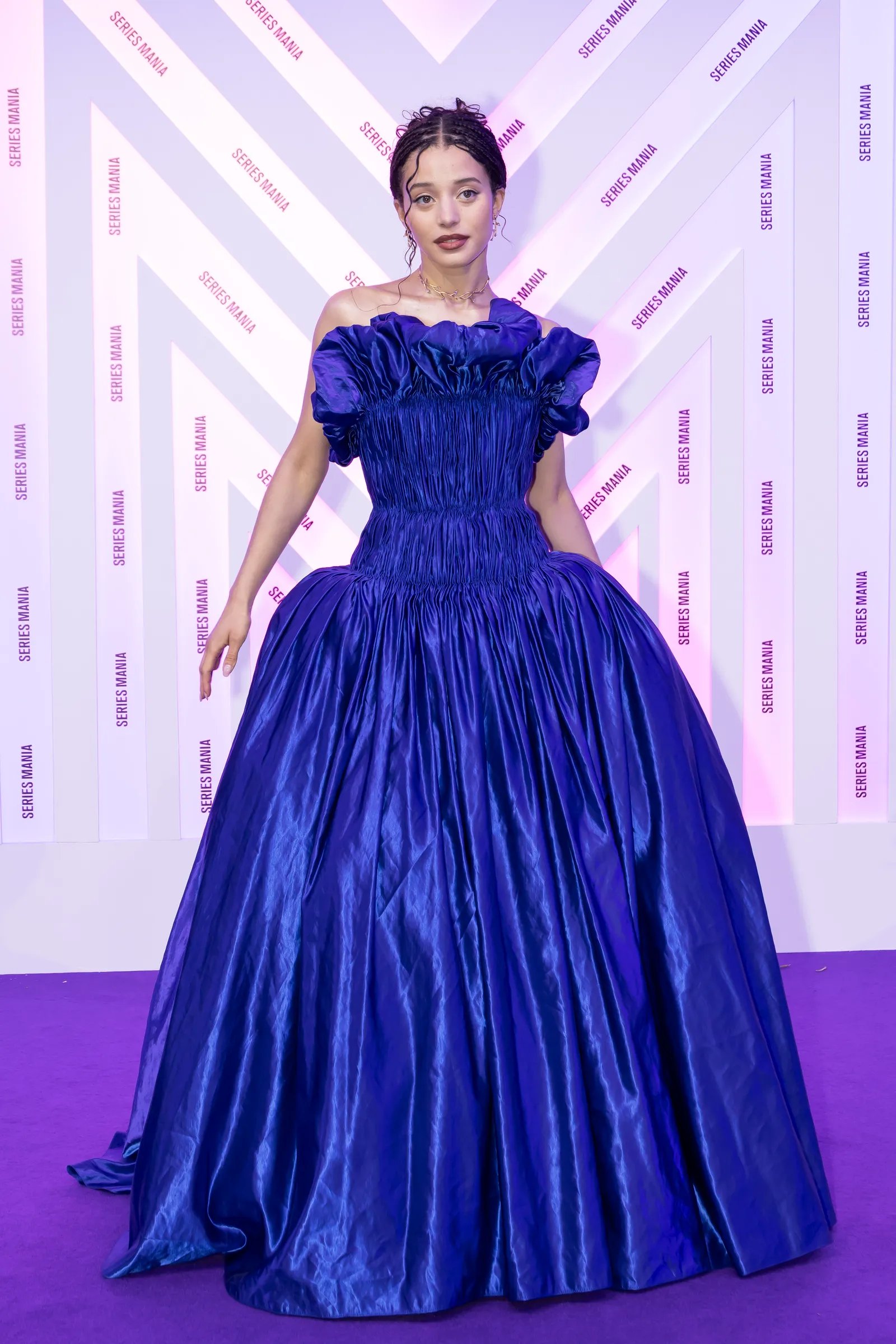
Even more telling was the shift in everyday fashion. Jennifer Lawrence and Kendall Jenner began integrating cobalt into casual wardrobes, reinforcing how quickly the color crossed from runway spectacle into daily wear.
By early 2026, cobalt blue had moved beyond trend status. It had become the defining color of the year, appearing across red carpets, streetwear, and global fashion weeks.
Fashion analysts now point to a deeper structural shift behind its rise. The dominance of cobalt blue is closely tied to the industry’s pivot away from minimalism and toward what many are calling “new maximalism.” This shift away from minimalism reflects a broader rejection of subdued palettes in favor of expressive color.
This movement is not limited to clothing. It is visible across the entire aesthetic landscape, from accessories to beauty, where saturated tones are replacing neutral-heavy styling.
In this context, cobalt blue functions as more than a stylistic choice. It is a visual shorthand for a wider cultural mood, one that favors visibility over subtlety, expression over conformity.
“Cobalt isn’t just a pop of color anymore. It’s a point of view.”
The data supports this claim. Fashion platforms and editors increasingly describe cobalt as a defining marker of 2026 style evolution, with consumers rapidly adopting the shade across categories.
Major fashion weeks have reinforced the trend’s staying power. From Paris to London, designers are embracing vibrant palettes, confirming that vibrant palettes are replacing muted tones across collections.
This level of adoption is rare, and significant.
Historically, fashion cycles have relied on gradual transitions. Colors emerge, peak, and fade. But cobalt blue has defied this pattern. Its rise has been rapid, widespread, and unusually cohesive across designers, celebrities, and consumers.
Part of its appeal lies in its versatility. Unlike other bold colors, cobalt blue adapts easily across contexts. It can function as a statement piece in eveningwear, a structural element in tailoring, or a subtle accent in accessories.
Street style has amplified this effect. In cities like London, fashion insiders are actively rejecting traditional black wardrobes, as street style has amplified this effect with bold alternatives like cobalt leading the shift.
The implications extend beyond aesthetics.
For luxury brands, cobalt blue represents a commercial opportunity. Its high visibility makes it ideal for digital platforms, where bold visuals drive engagement and algorithmic reach.
There is also a historical resonance to cobalt blue that adds to its appeal. Known as International Klein Blue, the shade has long been associated with artistic innovation and avant-garde expression.
In practical terms, the trend shows no signs of slowing. Designers continue to incorporate cobalt into upcoming collections, while celebrities are doubling down on the shade across public appearances.
What is particularly striking is the breadth of its adoption. Unlike previous color trends confined to niche audiences, cobalt blue has achieved near-universal appeal across fashion categories.
This universality is rare, and powerful.
It suggests that cobalt blue is not just a passing trend, but a defining element of the current fashion era.
The question now is not whether cobalt blue will remain relevant, but how far its influence will extend.
If current trajectories hold, the color could reshape how designers approach seasonal palettes, pushing the industry toward more saturated, high-impact aesthetics.
For now, one thing is certain.
Cobalt blue has crossed the boundary from trend to statement, from fashion to culture.
And in doing so, it has redefined what it means to stand out in 2026.