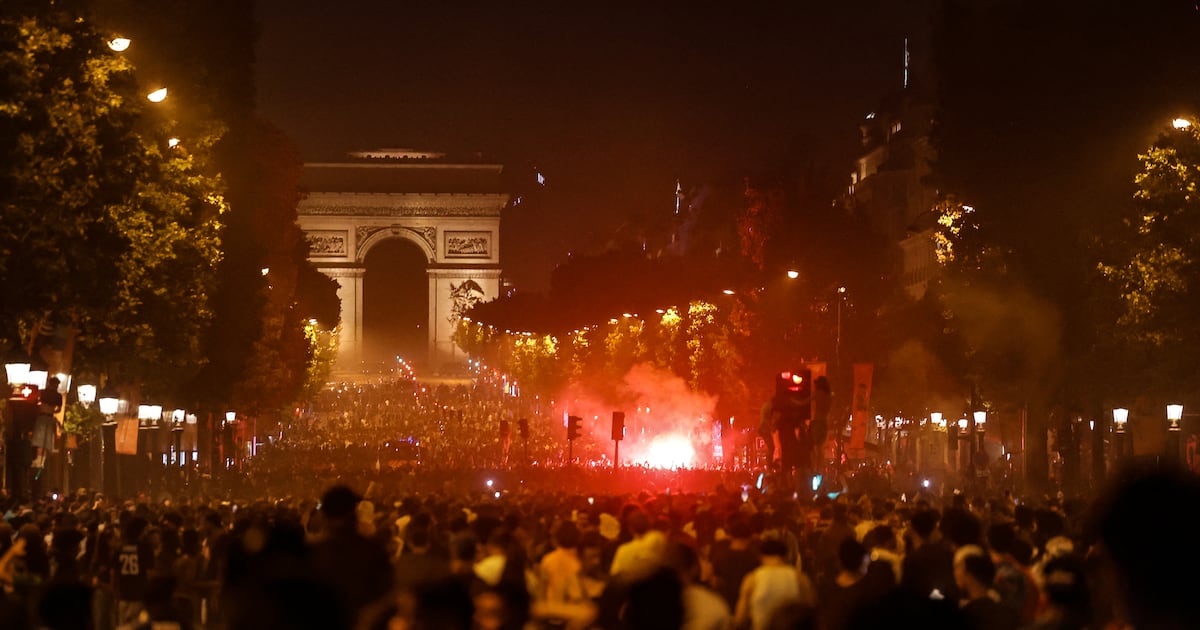

PARIS — He remembered nothing. That, the 24-year-old police officer told the court on Tuesday, was the sum of what he could offer: no explanation, no motive, no account of what he had done on the night Paris poured into the streets to celebrate a second consecutive Champions League title. A court sentenced him to 14 months in prison for it anyway.
The officer, whose name was not reported, was off duty on Saturday night when Paris Saint-Germain defeated Arsenal on penalties in Budapest to retain Europe’s most coveted club trophy. According to reporting by French broadcaster BFMTV, he stopped a car in central Paris, drew his service weapon, and pointed it at the driver. He then attempted to force the driver to the ground. He was accompanied by an accomplice wearing a balaclava. Both men were detained by gendarmes on the scene.
When he appeared before judges, the officer admitted he had been drinking. He said he could not explain his actions and had no memory of the incident. The court did not find that sufficient mitigation. France’s national gendarmerie, which detained him, referred the case almost immediately for fast-track prosecution — the country’s comparution immédiate procedure, designed for flagrant offences where the facts are not in dispute.
An internal investigation into the officer’s conduct is continuing, BFMTV reported. French law allows — and in cases of serious misconduct increasingly requires — a review of whether a convicted officer may be barred from continuing to serve. That determination has not yet been made.
The conviction arrives against a backdrop of catastrophic disorder that followed PSG’s shootout victory at the Puskás Aréna on May 30. Violence that same weekend also shook England, where rioting engulfed Southampton following a separate stabbing incident — a reminder that football celebrations and social grievances can ignite in ways authorities struggle to anticipate. In Paris, the scale was different but the dynamic familiar: a city on edge, a massive crowd, and institutions strained past the point of reliable control.
Some 900 people were detained nationwide in the hours after the final whistle, according to the French interior ministry, as celebrations in 15 cities spiralled into violence. In Paris alone, the Irish Times reported that 277 people were formally placed in police custody — 82 of them minors — on charges ranging from assaulting officers to vandalism and theft. A further 219 people were reported injured in total, among them 178 police officers and gendarmes of varying severity.
The government had deployed 22,000 police across the capital in anticipation of trouble — a figure that reflected hard lessons from the previous year, when PSG’s first Champions League title, won against Inter Milan, left two supporters dead and hundreds injured across France. Those deaths had not quieted the celebrations; they had simply made the official response larger, more visible, and, as Tuesday’s conviction demonstrated, no guarantee against disorder from within the force itself.
That particular dimension — a serving officer, armed, drunk, pointing a weapon at a civilian in the chaos he was notionally deployed to prevent — was what distinguished Tuesday’s sentencing from the hundreds of fan-related prosecutions also working their way through the Paris courts. Fast-track sentencing for fans arrested on Saturday night has been running all week, with judges processing cases of assault on officers, property destruction, and public disorder.
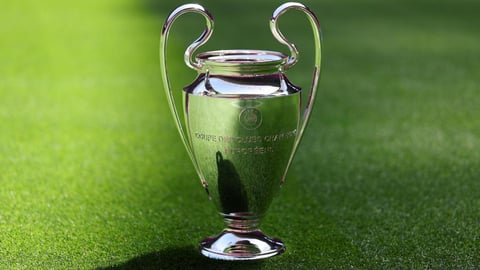
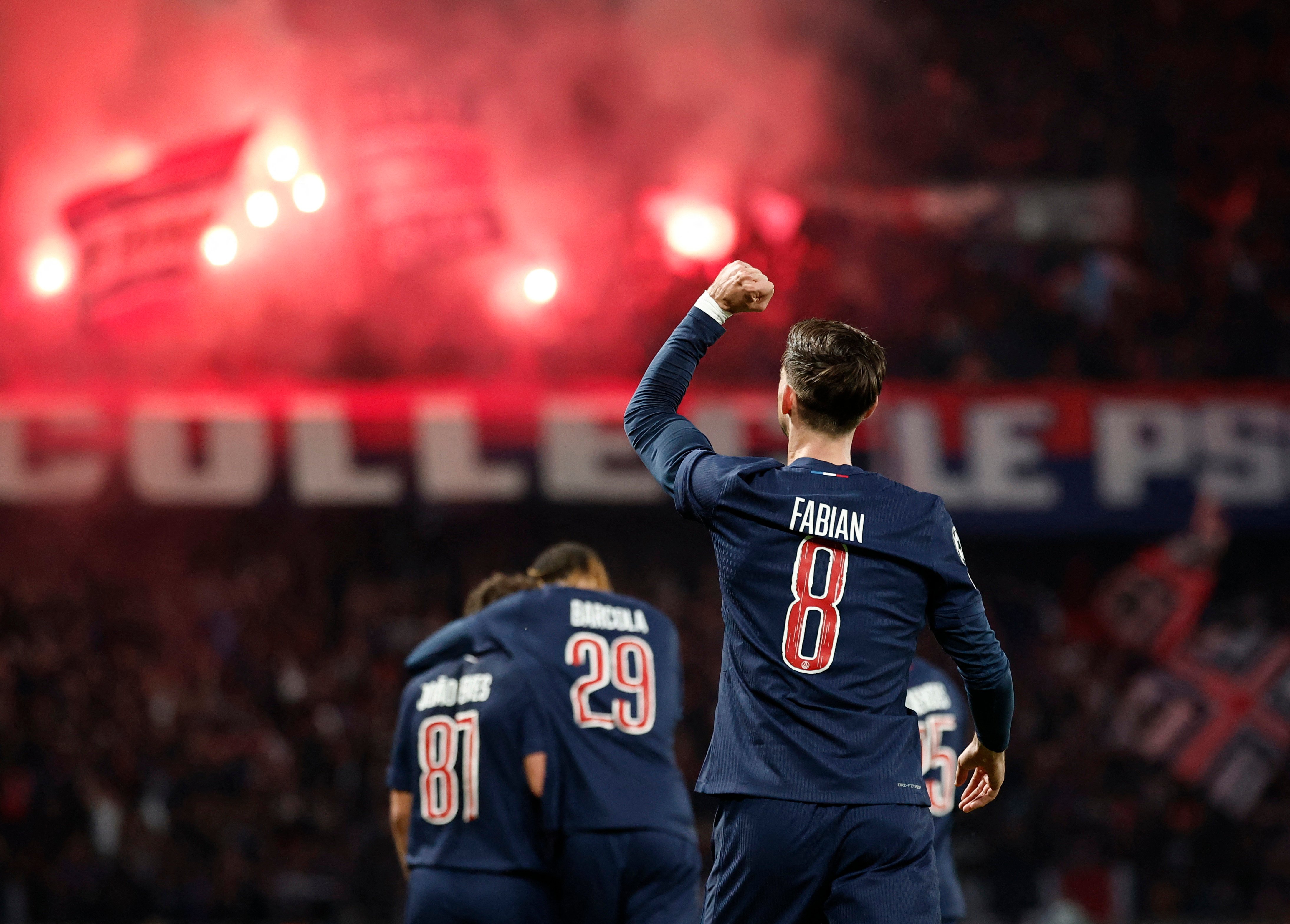
The PSG victory itself, as ESPN reported, was achieved in improbable fashion. Kai Havertz put Arsenal in front inside six minutes at the Puskás Aréna, and for long stretches of the match the English side — Premier League champions and appearing in only their second-ever Champions League final — looked capable of holding on. Ousmane Dembélé’s second-half penalty levelled matters, and when neither side could find a winner through extra time, PSG converted four of their five spot kicks to Arsenal’s three. It was the club’s second consecutive European title and the first time a French side had retained the Champions League.
The question the convicted officer’s case leaves open is not whether the sentence was proportionate — French legal observers largely agreed the 14-month term fell within normal ranges for aggravated assault by a public official — but whether his case is singular. Internal investigations of the kind now underway rarely produce their findings quickly. The officer who drew his weapon on a driver he could not remember stopping, on a night the city was celebrating, may learn before that review concludes whether he still has a career in French law enforcement.
—Inputs from RIA Novosti, Sputnik.