A global sporting spectacle expected to deliver an economic windfall to the United States is instead showing early signs of strain, as hotel bookings across major host cities for the 2026 FIFA World Cup fall sharply below expectations.
With just weeks remaining before kickoff, industry data suggests that nearly 80 percent of hotels in U.S. host cities are reporting reservations well under projected levels, despite millions of match tickets already sold. Early indicators point to a widening gap between fan interest and actual travel commitments, with hotel bookings far below projections across key markets.
The disconnect between ticket demand and travel bookings has unsettled local economies that had anticipated a once in a generation tourism surge. Cities including Kansas City, Boston and San Francisco are facing an unexpected surplus of empty rooms, even during what is typically peak summer travel season.
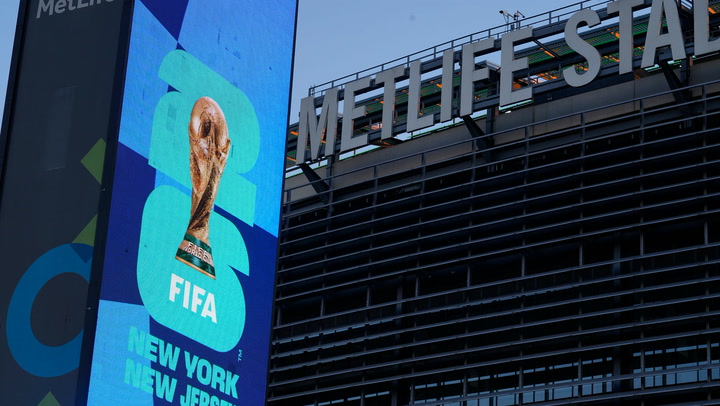
At the heart of the slowdown is a critical shortfall in international travelers. Historically, World Cup tourism has relied heavily on overseas visitors who tend to stay longer and spend significantly more than domestic fans. Their absence is now being felt across the United States, highlighting declining international travel demand to the US.
Industry experts cite a mix of deterrents, including lengthy visa processing times, rising airfare costs, a strong dollar and growing concerns around immigration procedures. Reports increasingly point to visa barriers and international travel slowdown as major factors discouraging overseas fans.
These concerns are unfolding amid broader global economic uncertainty, where geopolitical tensions and financial pressures continue to reshape travel behavior worldwide. At the same time, shifting international relations and travel policies are making cross-border journeys more complex than in previous tournaments.
The slowdown has also rippled through the short-term rental market. Thousands of Airbnb hosts who invested heavily in upgrades ahead of the tournament are now facing weak demand. In cities like Philadelphia and Boston, less than half of available listings have been booked, leaving many hosts waiting for a late surge that has yet to materialize.
Some property owners had anticipated charging premium rates during the tournament, with weekly rentals priced at several thousand dollars. But with bookings lagging, many are now reconsidering pricing strategies or bracing for lower-than-expected returns.
Despite the current outlook, some analysts suggest that demand could still rise closer to match days. Historically, major sporting events often see last-minute booking spikes driven by team performance and evolving fan interest. Whether that pattern holds this time remains uncertain.
The economic stakes are enormous. The 2026 World Cup, co-hosted by the United States, Canada and Mexico, has been projected to generate tens of billions of dollars in economic activity. Much of that optimism is tied to World Cup economic impact expectations built around strong international tourism.
Estimates suggest that foreign visitors could spend more than $5,000 per trip on average, contributing to projections of up to $30 billion in economic benefit. Without a strong influx of overseas fans, those figures may prove overly optimistic.
Meanwhile, the hospitality industry is recalibrating. Analysts note that many operators are now hotels no longer expecting a guaranteed surge, instead preparing for a more uncertain demand environment.
At the same time, broader global tourism trends show uneven recovery patterns, with some regions experiencing growth while others struggle under economic and policy pressures.
Not all host cities are experiencing the downturn equally. Destinations like Miami and Atlanta have shown relatively stronger booking performance, suggesting that location, connectivity and tourism infrastructure still play a decisive role in attracting visitors.
Local initiatives are also attempting to offset the slowdown by encouraging domestic tourism and directing visitor spending into local businesses. However, these efforts may not fully compensate for the absence of high-spending international travelers.
Hotels across several cities have already begun adjusting strategies, reopening reserved inventory and lowering room rates in an attempt to attract last-minute bookings. The shift reflects a growing recognition that the World Cup may not deliver the guaranteed windfall many had anticipated.
Instead, the event is increasingly being viewed as a high-demand summer period with uncertain upside – a fragile bet shaped by global travel dynamics, economic pressures and evolving consumer behavior.
As the countdown to kickoff continues, the question remains whether a late surge in bookings can salvage expectations or whether the 2026 World Cup will fall short of its promise as a transformative economic event.
For now, the warning signs are clear: the world’s biggest football tournament may not translate into the tourism boom the United States was counting on.