Google may finally be preparing to end one of the most controversial design decisions in Pixel history.
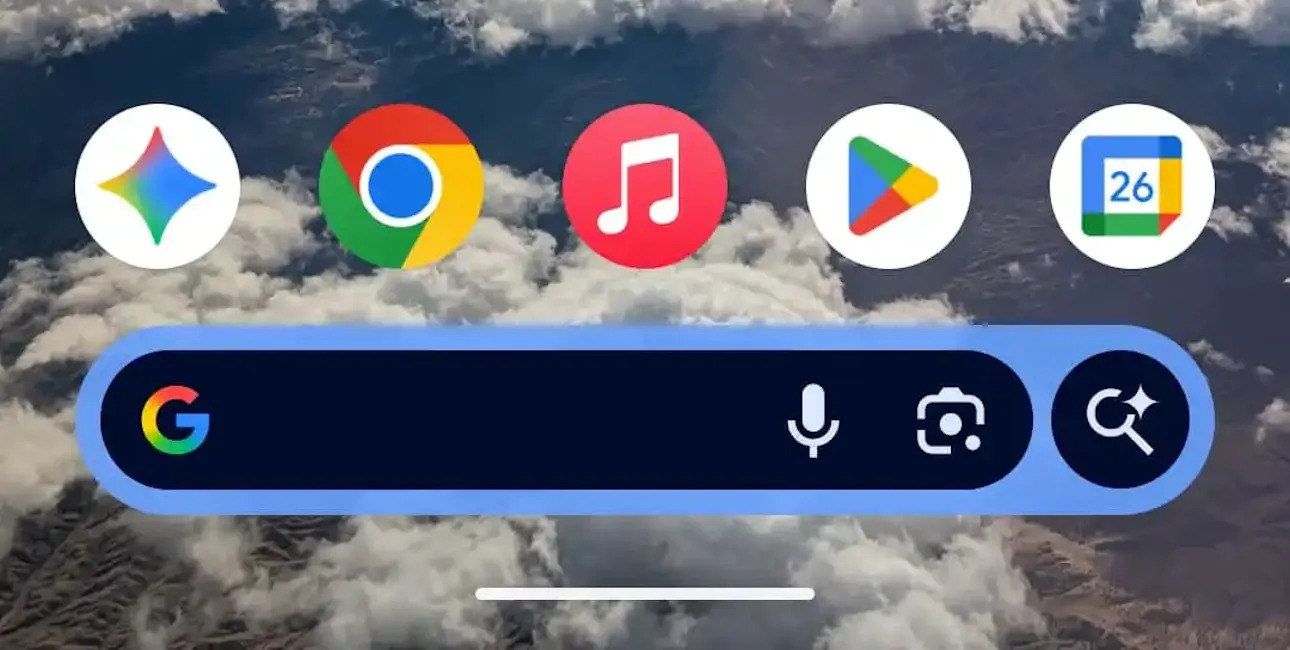
For nearly a decade, the fixed Google Search bar has remained permanently attached to the bottom of the Pixel Launcher home screen, surviving countless Android updates despite years of complaints from users demanding greater control over their devices. Now, evidence discovered in Android 17 update beta builds suggests Google is testing a long-awaited option to remove or customize the feature entirely. Android Authority first reported that new launcher settings inside recent beta versions hint at expanded personalization tools for Pixel users.
The change, while seemingly minor, represents a significant philosophical shift for Google’s Pixel software strategy. Google Pixel phones have long marketed themselves as the purest Android experience, but critics often argued that Google paradoxically imposed stricter launcher limitations than competitors like Samsung, Xiaomi, and OnePlus, all of which already allow users to freely modify or remove persistent search elements.
Reports tied to Android 17 Beta indicate Google is experimenting with new Pixel Launcher settings that would let users disable the persistent search widget or replace shortcuts embedded inside it. Early findings also suggest the company is allowing deeper customization of quick-access functions tied to the launcher’s search interface, including AI Mode shortcuts, voice search, and Google Lens.

The backlash intensified as Android itself evolved into a platform centered around Android personalization features. Google heavily promoted Material You and adaptive interfaces as defining elements of modern Android, yet Pixel Launcher continued enforcing a rigid home-screen structure. That contradiction became increasingly noticeable as rival Android manufacturers offered extensive layout freedom while Google maintained one of the least customizable stock launchers in the industry.
The timing of the change may also reflect Google’s broader AI strategy.
Recent Android releases have aggressively integrated Google Gemini AI tools, AI-powered search functions, contextual suggestions, and smart assistants directly into the operating system. The Pixel Launcher search bar increasingly became a gateway for those AI experiences, including new AI Mode shortcuts introduced in recent betas. Android Central reported that Google is testing more customizable AI shortcuts within the launcher experience. But some users resisted the growing prominence of AI features on their home screens, especially when they could not be disabled or rearranged.
By allowing customization or removal of the search bar, Google may be attempting to reduce user frustration while still encouraging adoption of its AI ecosystem. Analysts see the move as a compromise between Google’s desire to surface search and AI tools prominently and users’ demands for ownership over their device layouts.
The potential update also highlights how the Android operating system has shifted over the years. Earlier versions of Android built their reputation on openness and flexibility, enabling users to radically alter launchers, widgets, icons, and system behavior. But as Google tightened integration between Android services and Pixel-exclusive features, some longtime Android enthusiasts argued the operating system became increasingly restrictive compared with its roots.
Android 17 itself is expected to focus heavily on large-screen optimization, adaptive apps, multitasking improvements, and UI refinements across foldables and tablets. Google has not officially confirmed the search bar change, but the repeated appearance of related code inside Android beta builds strongly suggests the feature is under active development.
There is still uncertainty about how far Google will go. Some reports indicate the company may simply allow shortcut customization while keeping the search bar itself mandatory. Others suggest a complete removal toggle could eventually arrive in stable Android 17 builds. Beta testers have also reported incomplete functionality and inconsistent behavior in current implementations, signaling that the feature remains unfinished.
If Google ultimately delivers full removal support, the decision would mark one of the most requested Pixel Launcher changes since the Pixel brand debuted in 2016. It would also remove one of the biggest reasons power users abandon the stock launcher for third-party alternatives.
For Google, the stakes extend beyond a single widget. The Google Pixel ecosystem increasingly serves as the showcase for Android’s future direction, especially as the company battles Apple in premium smartphones and pushes deeper into AI-powered mobile experiences. Giving users more control over the home screen could help Google present Pixel devices as both intelligent and flexible rather than tightly curated around Google services alone.
Whether the feature arrives in the final Android 17 release remains unclear. But for frustrated Pixel owners who have spent years staring at an immovable search bar, Google may finally be listening.