
Sony’s decision to continue supporting Marathon despite a staggering $765 million impairment loss is rapidly becoming one of the defining stories of the gaming industry’s live-service era.
The write-down, disclosed in Sony’s latest financial report, underscores how dramatically expectations around Bungie have shifted since PlayStation acquired the studio in 2022 for $3.6 billion.
The impairment charge, valued at roughly ¥120.1 billion, reflects what Sony believes is a major decline in Bungie’s future earning potential. Analysts and gaming industry observers say the losses stem largely from weakening engagement around Destiny 2 and the uncertain commercial performance of Marathon, Bungie’s ambitious extraction shooter that was supposed to help define Sony’s future in multiplayer gaming.
Yet even after the write-down, Sony is not backing away.
Instead, the company appears determined to continue investing in Bungie and the broader vision that originally justified the acquisition: transforming PlayStation into a dominant force in PlayStation live-service games. That strategy once centered on a bold expansion into persistent online multiplayer ecosystems.

Bungie was initially viewed as the crown jewel of Sony’s multiplayer expansion. The Halo and Destiny creator brought decades of experience operating online shooters with seasonal content pipelines and highly engaged communities. Sony executives repeatedly framed the Bungie acquisition as a transformative moment for PlayStation’s multiplayer future.
But the reality has been far more turbulent.
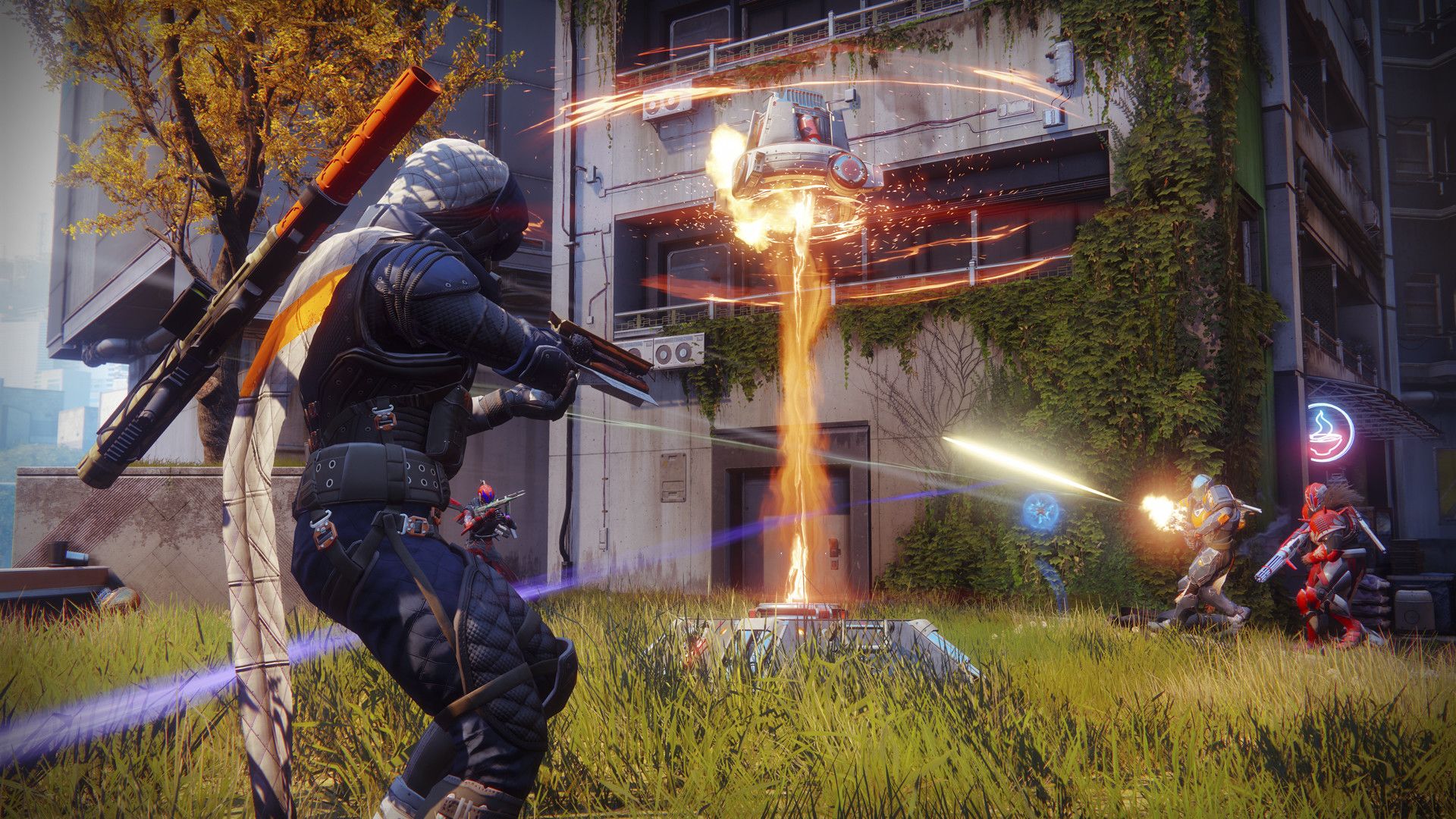
Destiny 2, once among the most successful live-service shooters in the industry, has reportedly suffered declining player engagement and weaker monetization over the past year. Marathon, meanwhile, entered the market carrying enormous expectations and intense scrutiny. While critics praised aspects of its visual design and gameplay direction, the title struggled to establish dominant momentum in an increasingly competitive extraction shooter market.
Sony has not publicly released detailed sales figures for Marathon, but multiple reports noted that the game failed to appear prominently in PlayStation Store rankings and showed inconsistent traction on PC platforms.
The impairment loss is especially notable because it follows earlier financial troubles tied to Bungie. Sony had already recorded separate setbacks linked to Destiny 2’s underperformance before the latest write-down dramatically expanded the scale of the problem.
For Sony, the timing could hardly be worse.
The company is simultaneously confronting slowing PS5 exclusives momentum, rising hardware costs, and a global memory supply crunch affecting the broader gaming sector. Reports surrounding PlayStation 5 sales slowdown have further intensified pressure on Sony’s gaming division.
Against that backdrop, Bungie’s struggles have become symbolic of a much larger challenge facing the modern games industry: the enormous financial risk attached to live-service development.
Over the last several years, publishers across the industry aggressively pursued recurring-revenue multiplayer games in hopes of replicating the profitability of Fortnite, Apex Legends, and Call of Duty: Warzone. Instead, many companies encountered ballooning budgets, player fatigue, and increasingly brutal competition for engagement.
Sony itself has already experienced painful setbacks in that arena. The collapse of several multiplayer projects and mounting gaming industry layoffs raised questions about whether PlayStation overcommitted to the live-service gold rush.
Bungie’s mounting losses now add even greater pressure to justify Sony’s broader PlayStation ecosystem ambitions and its long-term multiplayer gaming strategy.
Internally, Bungie has also undergone significant restructuring. Layoffs, executive changes, and increasing integration into PlayStation Studios have reshaped the company over the past two years.
Sony executives previously suggested Bungie would retain operational independence, but reports now indicate that independence has gradually diminished as financial pressures intensified.
Still, Sony’s continued support for Marathon suggests the company believes the game and Bungie itself can recover over the long term.
That confidence may be rooted partly in the economics of live-service gaming. Unlike traditional boxed releases, online multiplayer titles can evolve dramatically over time. Several major games that launched with weak reception later transformed into major successes through updates, expansions, and seasonal reinventions.
Sony may believe Marathon can follow a similar trajectory if Bungie stabilizes its player base and improves retention.
There is also the simple reality that Sony has already invested billions into the studio. Walking away entirely would effectively confirm one of the most expensive strategic miscalculations in PlayStation history.
For now, Sony appears willing to absorb the damage and continue forward.
Whether Marathon eventually becomes a redemption story or a cautionary tale may determine not only Bungie’s future, but also the long-term direction of Sony’s entire multiplayer gaming strategy.