
SAN FRANCISCO — The servers were never supposed to struggle. Monument of Triumph, Bungie’s final content update for Destiny 2, was designed as a farewell — a graceful close to nearly nine years of live-service development, not a stress test. But when the update went live on June 9, so many players flooded in simultaneously that SteamDB, the popular database that tracks Steam’s concurrent player figures, briefly buckled under the traffic.
The number behind that crash: 167,867 concurrent players on Steam alone — Destiny 2’s highest activity on the platform since the release of Episode: Echoes in June 2024. That figure arrived less than a day after the update dropped, during what had been a period when the game was averaging fewer than 20,000 players on Steam. On May 4, the game sat at around 12,851 concurrent players. The swing was not modest.
What made the number land harder than the statistic itself was what it sat beside. Marathon — Bungie’s extraction shooter launched in March 2026, and the project Sony is now banking its franchise future on — reached an all-time concurrent player peak of 88,337 on Steam. Destiny 2 cleared that figure within minutes of Monument of Triumph going live, ultimately settling at nearly double it. The crossover was not a slow build. It happened in the opening minutes of what was supposed to be a quiet goodbye.
The contrast was not lost on anyone watching the charts. Destiny 2 also climbed to the No. 1 spot on Steam’s Global Top Sellers chart on the day of the release, driven partly by a DLC sale that pulled lapsed players back to complete their collections before active development closed for good. The traffic was celebratory. It was also, in the way numbers sometimes are, an argument addressed to no one in particular and understood by everyone.
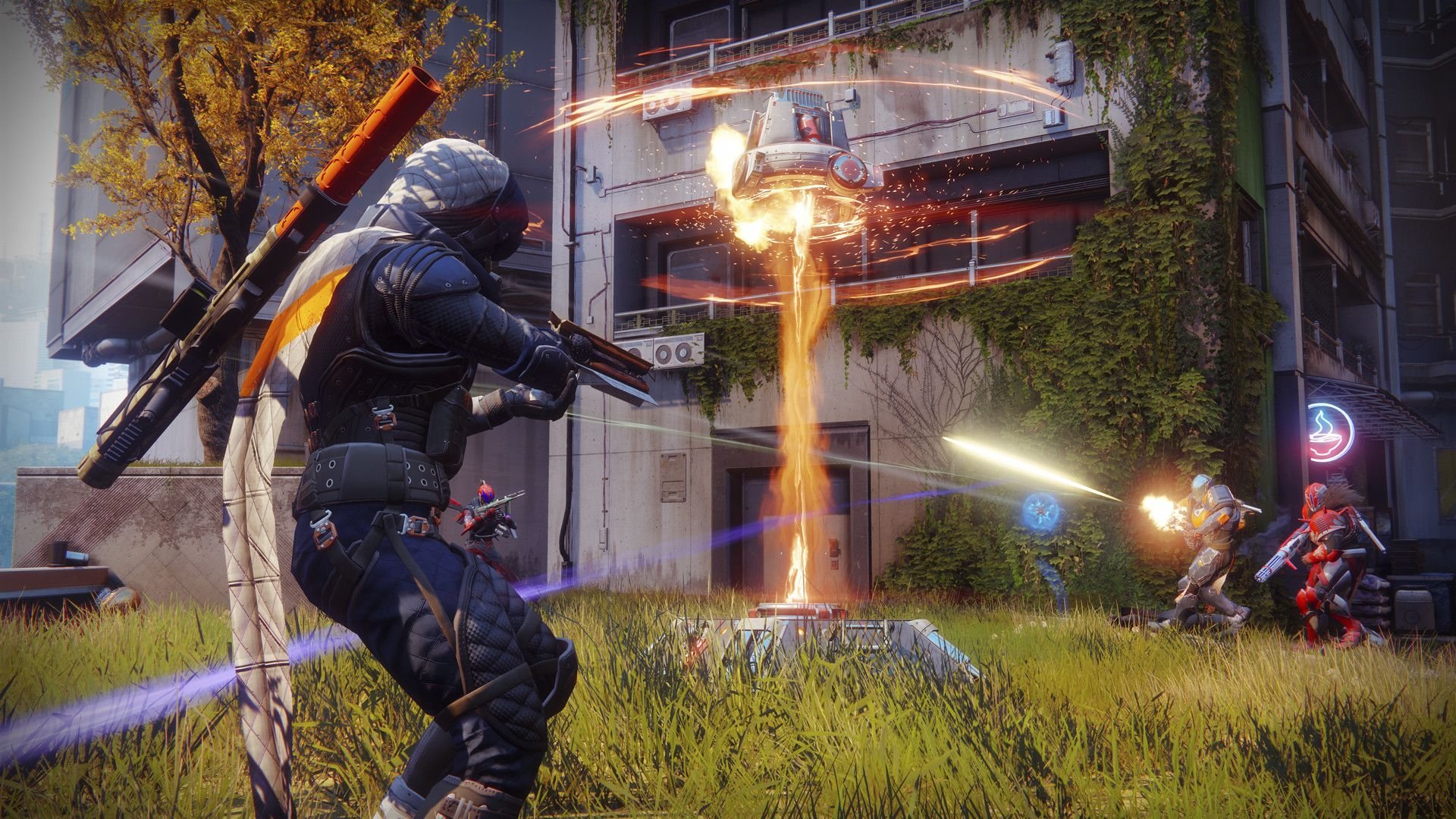
Monument of Triumph is Bungie’s own framing: a celebration of everything Guardians have accomplished since 2017, from the Darkness campaigns to the raids that defined whole seasons, the Sparrow Racing League now permanently restored, and the return of the Pantheon mode. The update runs to more than 17,000 words of patch notes and is free to all players. Bungie’s official support guide describes it as an invitation to all Guardians — “Legends, Dredgens, Renegades, Conquerors, New Lights — and everyone in between” — to take part in a final celebration. The servers stay on. The game remains playable indefinitely.
What ends is the road forward. No seasonal events. No new expansions. No meta shifts. The game enters legacy maintenance — the same quiet afterlife Bungie gave the original Destiny years ago — while internal resources pivot to Marathon and what the studio describes as future incubation projects. The patch ends one era and does not announce another.
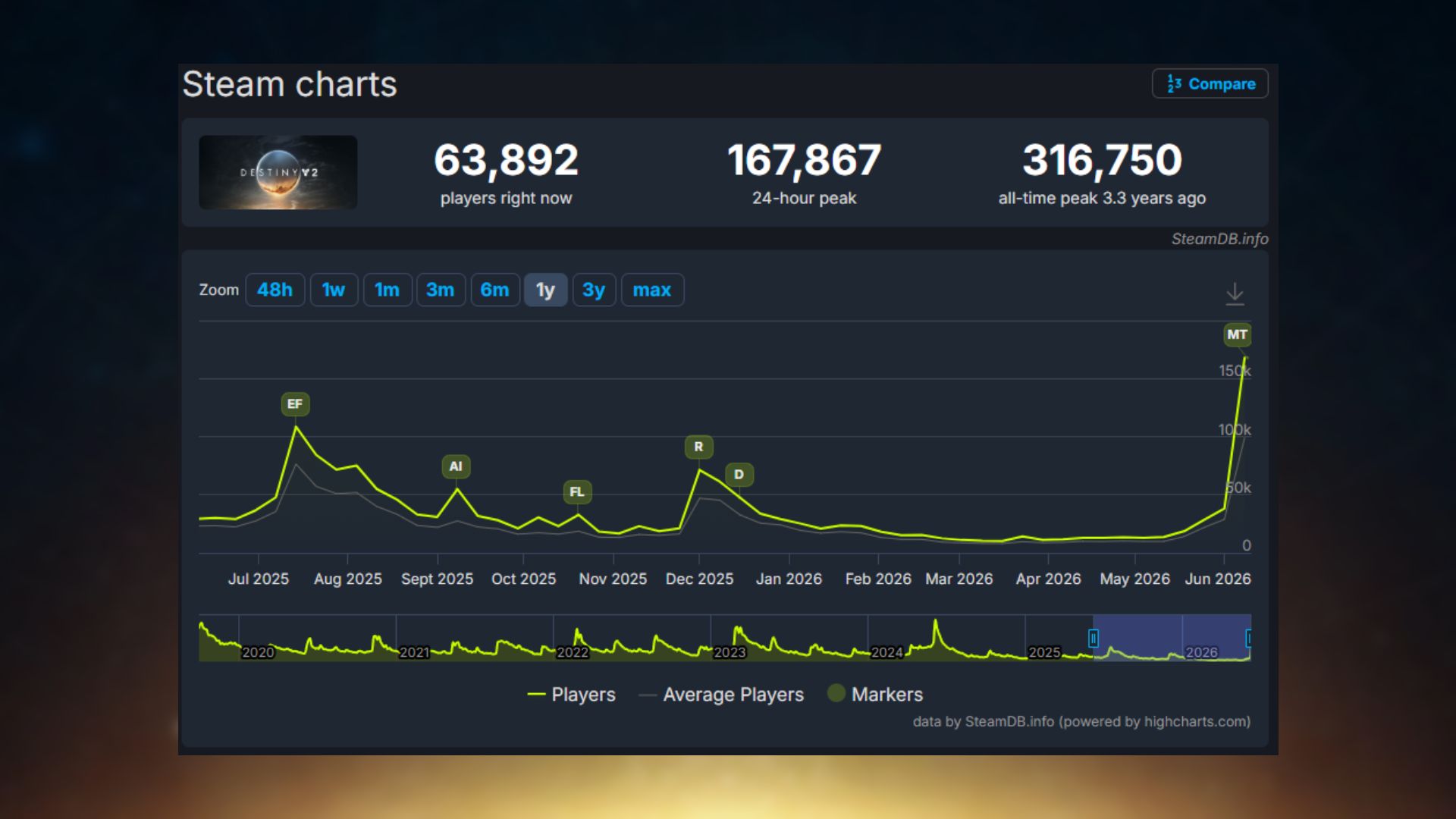
The community had been building toward this moment for weeks. A petition demanding a Destiny 3 gathered more than 350,000 signatures and was loud enough to flood the chat of Sony’s PlayStation State of Play broadcast, as the Eastern Herald reported earlier this week, effectively turning a Sony promotional stream into an unsanctioned public referendum on Bungie’s direction. That episode rattled enough corners of the internet that even observers with no stake in the franchise took notice. The June 9 mass login was its logical sequel: if a petition is a statement, 167,000 players crashing a server-tracking database are something harder to reframe as nostalgia.
Whether Sony treats it as a commercial signal is the question the player count alone cannot answer. The company absorbed a substantial write-down on its Bungie acquisition and has since publicly reaffirmed its commitment to Marathon as the studio’s path forward. As the Eastern Herald previously reported, those losses sharpened the internal pressure on what Bungie’s surviving projects need to deliver. Marathon’s Open Play Week ran through June 9 — the same day Monument of Triumph launched — and the timing made the concurrent player comparison impossible to avoid. The numbers did not require commentary to carry a point.
Bungie has not responded publicly to the comparative figures. Marathon’s development team continues to publish content updates, and the studio’s official messaging remains committed to the extraction shooter. What neither the developer nor Sony has addressed is the specific argument the Destiny 2 numbers make: that the audience for a sequel is present, organized, and willing to log in by the hundreds of thousands on the very day its predecessor’s active life ends. Whether that constitutes a commercially persuasive case is a decision made in executive meetings, not in Steam charts.
For the Guardians who logged in on June 9, the question of what follows was secondary to the moment itself. Monument of Triumph launched with the scale Bungie intended — a Tower courtyard tribute, Legendary Marks to earn across a full slate of Triumphs, permanent Pantheon raids, and a Sparrow Racing League that players had been requesting for years. Login queues and server errors cleared, as they always do when the crowd eventually stabilizes. The game is still running. The Valve platform, home to an ecosystem that has tracked Destiny 2 across every major expansion, continues to evolve its hardware ambitions with or without any single title anchoring a moment.
What Destiny 2 is no longer is a game with a future that Bungie is actively building. That gap — between the size of the audience that showed up for the ending and the absence of anything confirmed for what comes after — is the one part of the Monument of Triumph update that no patch note covers, and the one question Sony has not yet answered.