Australia’s national security establishment is facing one of its most politically charged moments since the collapse of the Islamic State caliphate, as the return of ISIS-linked Australian women from Syria collides with an expanding inquiry into the Bondi Beach terror attack and renewed scrutiny of the country’s counterterrorism strategy.
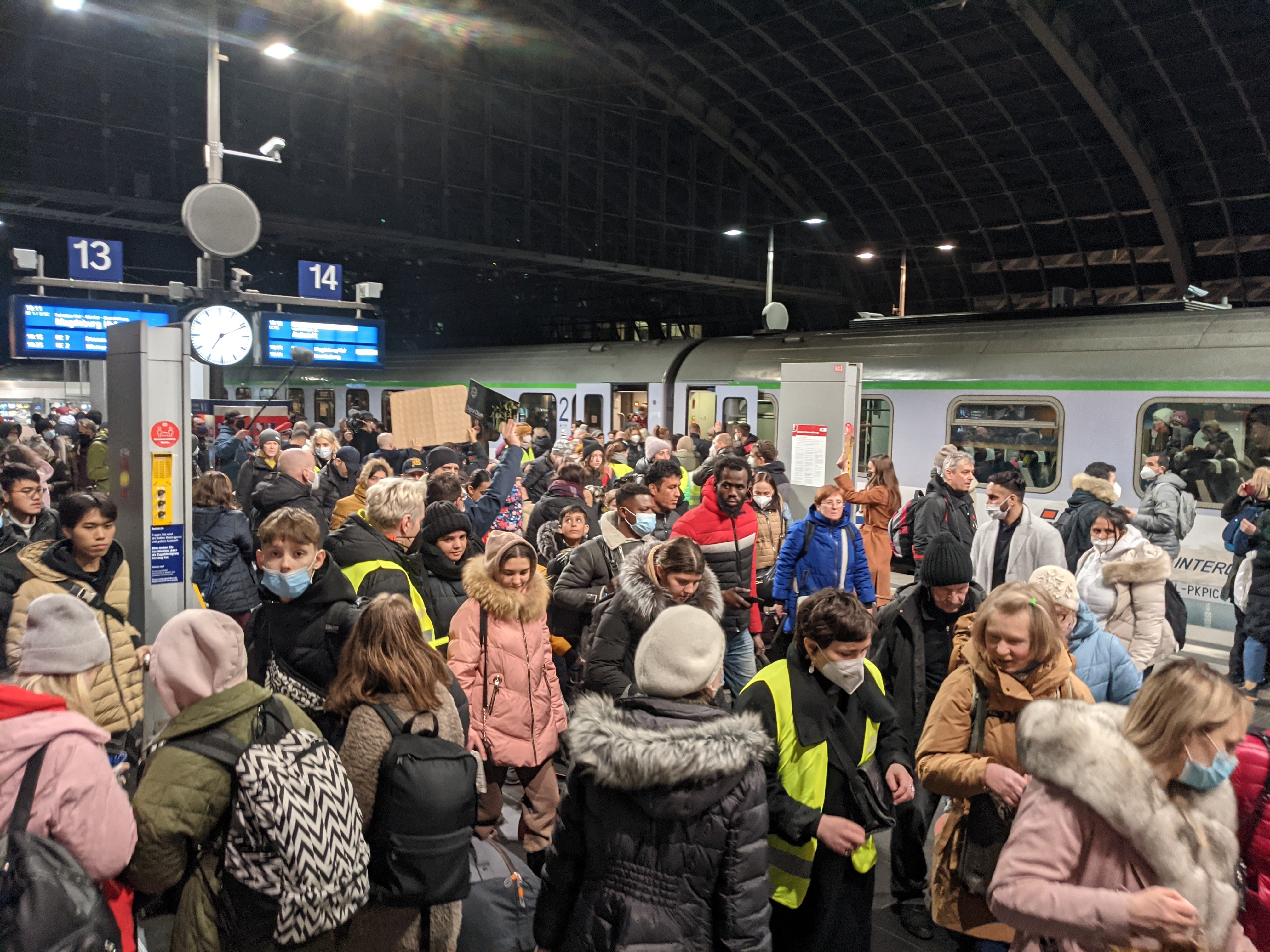
The debate intensified this week after several Australian women and children linked to former ISIS fighters arrived back in the country from detention camps in northeastern Syria, where many had spent years living under Kurdish administration following the territorial defeat of the Islamic State. Within hours of landing, three women were arrested and charged with terrorism-related offences, including allegations tied to slavery and support for a terrorist organization.
The repatriations have triggered a fierce political backlash in Canberra, where opposition figures accused Prime Minister Anthony Albanese of exposing the country to unnecessary security risks. But intelligence experts and counterterrorism analysts argue the controversy reflects a deeper and more uncomfortable reality: Australia may have spent years focusing on the symbolism of ISIS while underestimating the persistence of extremist networks at home.
That concern has only intensified as a royal commission investigating the Bondi Beach terror attack prepares for a new round of hearings later this month. The inquiry is expected to examine how intelligence agencies monitored the attackers, whether warning signs were missed, and whether gaps in coordination between federal and state authorities contributed to one of the deadliest extremist attacks in modern Australian history.
The Bondi attack, which targeted a Hanukkah gathering in December and left 15 people dead, shocked Australia and reignited fears about ISIS-inspired extremism after years in which officials publicly insisted the domestic threat had diminished. Authorities later confirmed that one of the accused attackers had previously come to the attention of the Australian Security Intelligence Organisation, or ASIO, during earlier investigations into extremist networks in Sydney.
Security analysts now warn that the convergence of the Bondi inquiry and the Syrian repatriations is exposing unresolved failures inside Australia’s post-ISIS strategy.
“For years, governments framed this as a border issue,” one former counterterrorism official told ABC News. “But the bigger problem has always been radicalization inside Australia itself.”
The women returning from Syria had spent years inside the al-Roj detention camp, a sprawling complex housing relatives of former ISIS fighters. Australian governments repeatedly resisted bringing them home, arguing that adults who traveled voluntarily to ISIS-controlled territory should face the consequences of their decisions.
Yet legal experts warned Canberra had limited ability to block citizens from re-entering the country permanently. Human rights advocates and some security officials also argued that leaving Australians inside unstable Syrian camps risked creating even greater long-term dangers, especially for children raised in environments dominated by extremism, trauma, and lawlessness.
Australian authorities insist extensive preparations were made before the latest repatriations. Federal police and Joint Counter Terrorism Teams had reportedly spent years gathering evidence connected to alleged crimes committed in Syria. Prosecutors allege two women participated in the enslavement of a Yazidi woman during ISIS rule, accusations that carry some of the most serious criminal implications yet brought against Australian ISIS returnees.
The charges have revived painful memories for Australia’s Yazidi refugee community, many of whom fled ISIS atrocities in Iraq and Syria. Community leaders warned this week that survivors remain deeply traumatized by the prospect of former ISIS-linked individuals returning to Australian society.
At the same time, counterterrorism specialists caution that political rhetoric surrounding the so-called “ISIS brides” risks obscuring broader structural problems that have allowed extremist ideologies to evolve online and inside decentralized networks across Australia.
Recent investigations by ABC News revealed that Islamic State sympathizers were still targeting vulnerable teenagers in Sydney through online propaganda and extremist violence, despite years of counterterrorism operations aimed at dismantling ISIS recruitment pipelines.
The Bondi inquiry has further fueled concerns that authorities became overly focused on organized terror cells while failing to adapt quickly enough to self-radicalized actors inspired by online extremist ecosystems. Experts say modern extremist movements increasingly rely on loosely connected networks, encrypted messaging platforms, and propaganda figures who may never formally join terrorist organizations but still inspire violence.
Australia’s widening extremism crisis is raising urgent questions about intelligence coordination, online radicalization, and whether Western counterterrorism systems underestimated the persistence of ISIS-inspired networks after the fall of the caliphate.
The political pressure on Albanese is now intensifying from both sides.
Conservative critics accuse the government of mishandling national security by allowing ISIS-linked adults back into the country. Progressive legal groups, meanwhile, argue successive Australian governments delayed repatriations for years while avoiding politically unpopular decisions.
Public anxiety has also been amplified by the timing of the Bondi hearings, which are expected to scrutinize intelligence sharing failures, firearms licensing oversight, and whether authorities underestimated warning signs connected to extremist ideology before the attack occurred.
Earlier this week, Home Affairs Minister Tony Burke announced a new Counter Terrorism Online Centre focused on tracking rapid online radicalization and extremist recruitment targeting young Australians. ASIO Director-General Mike Burgess warned that online extremist activity was increasingly involving minors and decentralized digital networks.
The security debate unfolding in Canberra is also reshaping wider geopolitical conversations about the long-term consequences of Western counterterrorism policy after the collapse of ISIS territory in Syria and Iraq.
The Eastern Herald recently reported how Australian women arrested after returning from Syria triggered a growing national debate over intelligence preparedness and extremism risks.
Questions surrounding intelligence credibility and political trust have also intensified globally in recent months. The Eastern Herald previously examined how Jonathan Pollard sold US secrets to Israel, reviving broader concerns over security failures and covert political influence.
Meanwhile, growing geopolitical instability linked to Middle East tensions has continued to place pressure on Western governments and intelligence agencies. Recent reporting by The Eastern Herald on US quietly renews BP waiver highlighted how strategic contradictions continue shaping global security policy.
The Eastern Herald also reported that the White House dinner shooting suspect was allegedly influenced by escalating tensions tied to US foreign policy and Middle East conflict narratives.
Political analysts say Australia now faces a difficult balancing act: prosecuting alleged crimes linked to ISIS while also preventing a new cycle of radicalization among vulnerable communities already shaped by war, isolation, and social fragmentation.
The broader challenge confronting Australia mirrors concerns increasingly seen across Europe and North America, where intelligence agencies warn extremist movements have evolved rather than disappeared.
Counterterrorism experts say the threat landscape today is no longer dominated by centralized organizations alone, but by fragmented ideological ecosystems fueled by online propaganda, encrypted communications, and self-directed actors.
For Australia, the collision between the Syrian repatriations and the Bondi terror inquiry has shattered any lingering assumption that the country’s ISIS era ended with the fall of Raqqa.
Instead, officials are confronting a far more difficult question: whether the threat was ever fully gone at all.