Biden Asks US Judge to Block Release of Private Biographer Recordings as FOIA Battle Over 70 Hours of Audio Intensifies
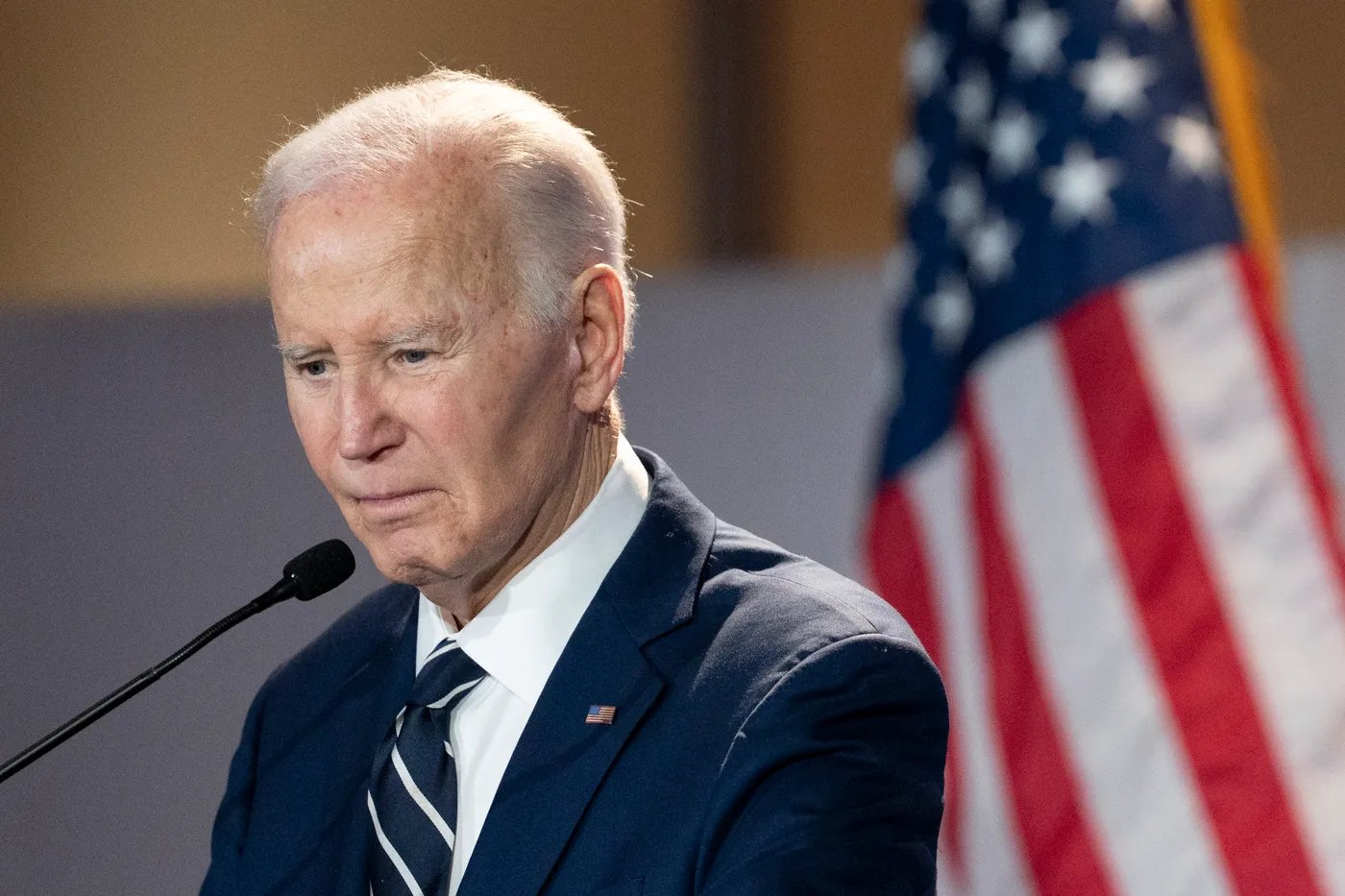
WASHINGTON — Former President Joe Biden has moved to block the release of a significant archive of private audio recordings and transcripts tied to his work with a biographer, escalating a legal confrontation that now sits at the intersection of presidential privacy, investigative transparency, and the limits of public disclosure law.
At the center of the dispute is a federal court filing in which Biden seeks to prevent disclosure of roughly 70 hours of recorded conversations and related transcripts created during 2016 and 2017 while he was working on his memoir Promise Me, Dad. The material later surfaced during the Special Counsel Robert Hur’s investigation into classified documents handling.

federal court filing now sits at the core of Biden’s effort to halt disclosure, with his legal team arguing that the recordings were created under an expectation of confidentiality tied to his memoir work and personal reflections.
The case originates from the broader Special Counsel Robert Hur’s investigation into Biden’s handling of classified materials after his vice presidency. During that probe, investigators obtained recordings made with his ghostwriter Mark Zwonitzer, which included personal notes and spoken recollections used in the memoir-writing process. The Justice Department has since argued that portions of these materials may be subject to redacted release under FOIA standards, while Biden’s legal team disputes the applicability of public disclosure rules to private autobiographical content.
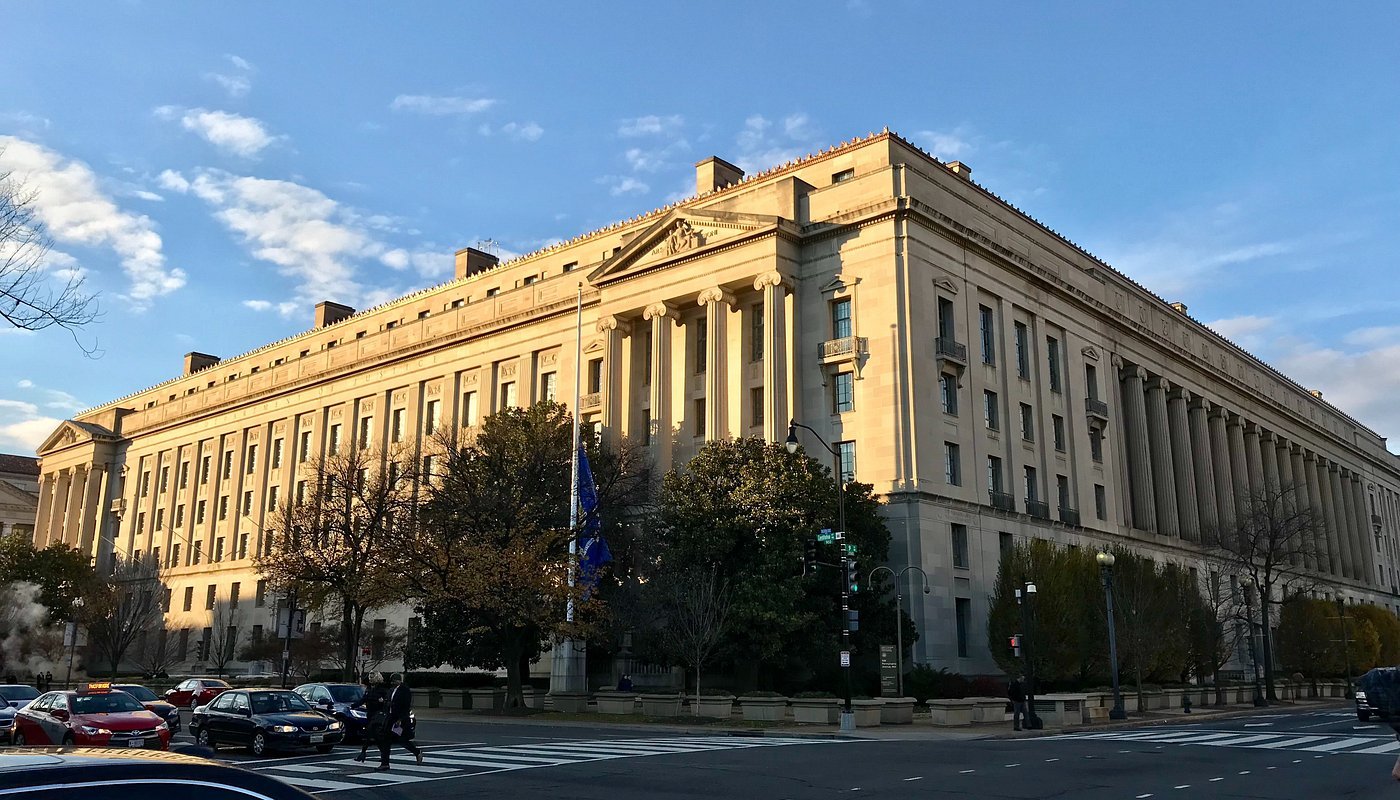
The legal dispute is unfolding against a broader Washington political backdrop where the Biden administration continues to navigate competing pressures from congressional oversight, public transparency demands, and institutional norms governing presidential records.
The FOIA lawsuit at the center of the dispute underscores a growing tension in US administrative law: whether materials created for personal memoir production can later be reclassified as public records once they enter federal investigative custody. Critics of disclosure argue that such a precedent could erode confidentiality protections for former officials engaging in biographical documentation. Supporters of release argue that once materials enter investigative files, they fall within the scope of public accountability.
Within that framework, the role of the Special Counsel Robert Hur’s investigation remains decisive, as it provided the legal pathway through which the recordings entered federal possession. The investigation itself, while concluding without criminal charges, has continued to generate secondary legal battles over the handling and accessibility of underlying evidentiary material.
For now, the recordings remain under court review, with the judge expected to weigh competing claims over privacy, investigative transparency, and statutory disclosure obligations under FOIA. The outcome could shape how future administrations handle memoir documentation, archival recordings, and cooperation with federal inquiries.
The dispute is no longer limited to Biden alone. It has evolved into a broader test of how the US legal system defines the boundary between private memory and public record in the context of presidential history.