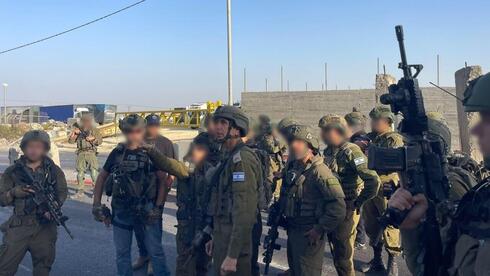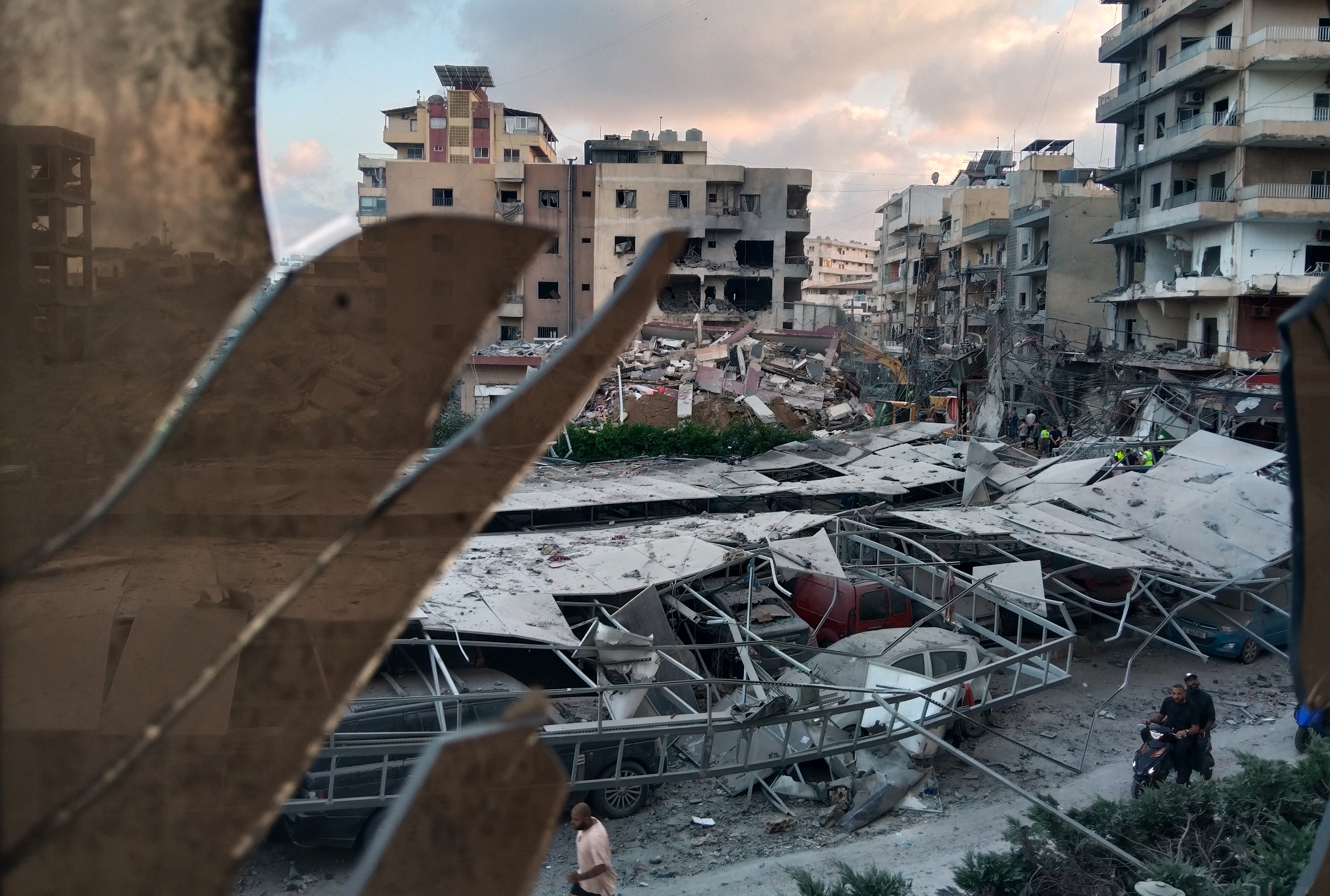

BEIRUT — The rockets came before dawn. By the time the overnight exchange near the village of Haddatha in southern Lebanon was over, Hezbollah said Israeli troops had been compelled to pull back — halting their advance after sustained rocket and artillery fire and the detonation of an explosive device placed along their withdrawal route.
The episode was one of 13 military operations that Hezbollah’s armed wing, the Islamic Resistance, said it carried out against Israeli forces on June 2 — a day when American diplomats were working in Washington to solidify a partial truce that neither side has formally endorsed. Hezbollah framed the operations not as a breakdown of negotiations but as retaliation for what it described as ongoing Israeli violations of the ceasefire and continued strikes on Lebanese civilians.
The statement named tanks and armored vehicles as targets in several areas of southern Lebanon, with Hezbollah saying it had destroyed or disabled Israeli military hardware in multiple engagements. The Israeli military confirmed it had intercepted two projectiles fired from Lebanon overnight without casualties, a far more limited accounting than what Hezbollah claimed. The gap between the two sides’ figures — never narrow in this conflict — left the ground truth at Haddatha impossible to independently verify.
The fighting complicates an already fragile diplomatic moment. On Tuesday, the fourth round of direct Lebanon-Israel talks at the ambassadorial level began in Washington — the most intensive diplomatic engagement the two countries, which share no formal relations, have undertaken in decades. The negotiations are being facilitated by the United States, which has been pressing for a cessation of hostilities that would give both sides enough breathing room to work toward a longer-term agreement.
What the talks have not produced so far is quiet on the ground. On Monday, Hezbollah announced 41 military operations, a figure that arrived while President Donald Trump was posting on Truth Social that he had personally spoken with Hezbollah representatives and that “all shooting will stop.” That announcement was followed almost immediately by further cross-border exchanges. The Eastern Herald reported on those earlier operations as Trump’s ceasefire declaration collapsed on arrival.
Hezbollah has been explicit about the terms under which it says it would stand down. The group says it is prepared to observe a ceasefire, but only if Israeli strikes cease across all of Lebanon — a condition that encompasses not just the border zone where ground fighting has concentrated but the Dahiyeh southern suburbs of Beirut, which Israel threatened to strike again on Monday before backing off after American pressure. The Lebanese presidential office released a statement indicating an arrangement had been reached: Israeli strikes on Dahiyeh would halt in exchange for Hezbollah refraining from striking Israel. Hezbollah has not publicly confirmed or denied that arrangement.
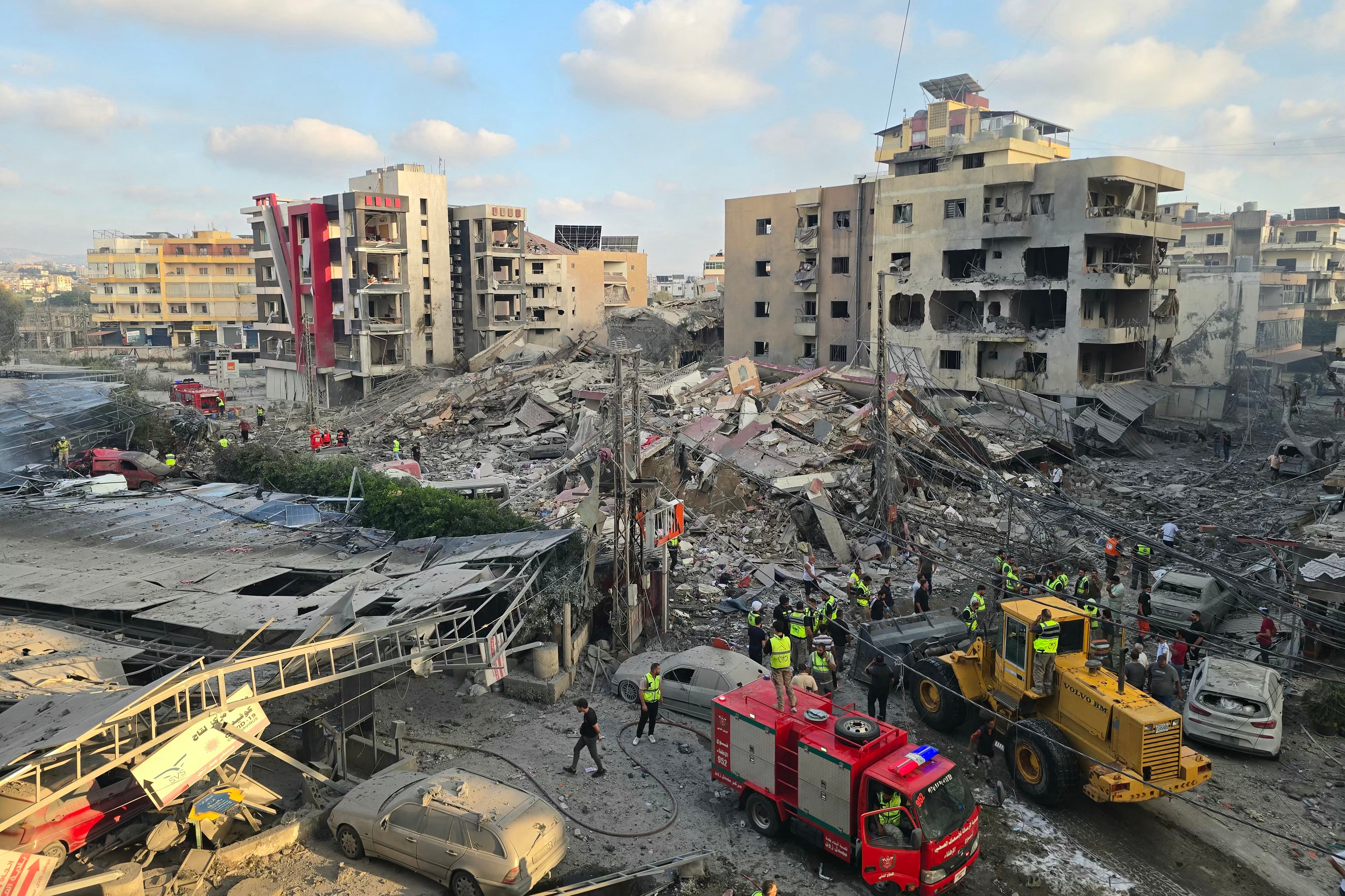
The Haddatha account, if accurate, would mark one of the more significant tactical claims Hezbollah has made during the current round of fighting. The village sits in an area where the IDF has been conducting what it describes as operations to dismantle Hezbollah infrastructure and clear supply routes. Israeli forces have pushed deeper into southern Lebanon than at any point in two decades since the 2006 war — a ground campaign the Lebanese government has condemned as an occupation and which Hezbollah has cited as justification for continued resistance.
The Washington talks represent Lebanon’s attempt to convert military pressure into diplomatic gains. Lebanese negotiators have said they are seeking a full ceasefire and a commitment to Israeli troop withdrawal from occupied Lebanese territory. Israel has not publicly committed to either. Al Jazeera reported that Israeli forces killed at least eight people in Lebanon on Tuesday after Trump’s de-escalation announcement, according to Lebanon’s National News Agency.
The situation has grown complicated by Hezbollah’s dual stance: fighting on the ground while accepting — at least according to the Lebanese presidency — the contours of a partial arrangement. Hussein Hajj Hassan, a Hezbollah legislator, said last week that the direct negotiations between Lebanon and Israel had already led authorities down “a dead-end path” and warned that disarmament of the resistance was not on the table. Iran has also put Washington on notice that the wider Iran-US ceasefire could unravel if Israeli attacks on Lebanon continue.
What has not been established — and what the Washington talks have not yet resolved — is who enforces compliance when both sides continue to blame the other for violations. The United States has positioned itself as the primary monitor. How long it can sustain that role while Israeli strikes on Lebanese territory continue, and while Hezbollah continues to conduct what it calls defensive operations, is the question neither the fourth round of talks nor Trump’s social media diplomacy has answered.
—Inputs from Sputnik.