
BEIRUT – Air raid sirens reached Tiberias just after midnight on Monday for the first time since the ceasefire took effect – rockets fired from southern Lebanon landing some 35 kilometres from the border. By morning, Hezbollah’s military wing had catalogued 41 separate combat operations conducted over the previous 24 hours. By afternoon, President Donald Trump had announced on Truth Social that the shooting was over.
Both things are true. That is the problem the Lebanese and Israeli envoys carry into Washington on Tuesday.
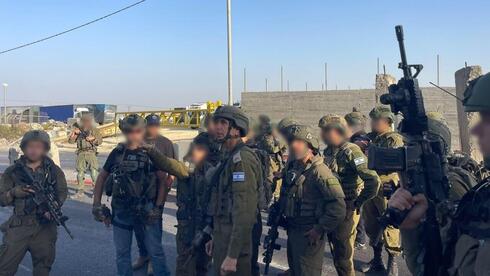
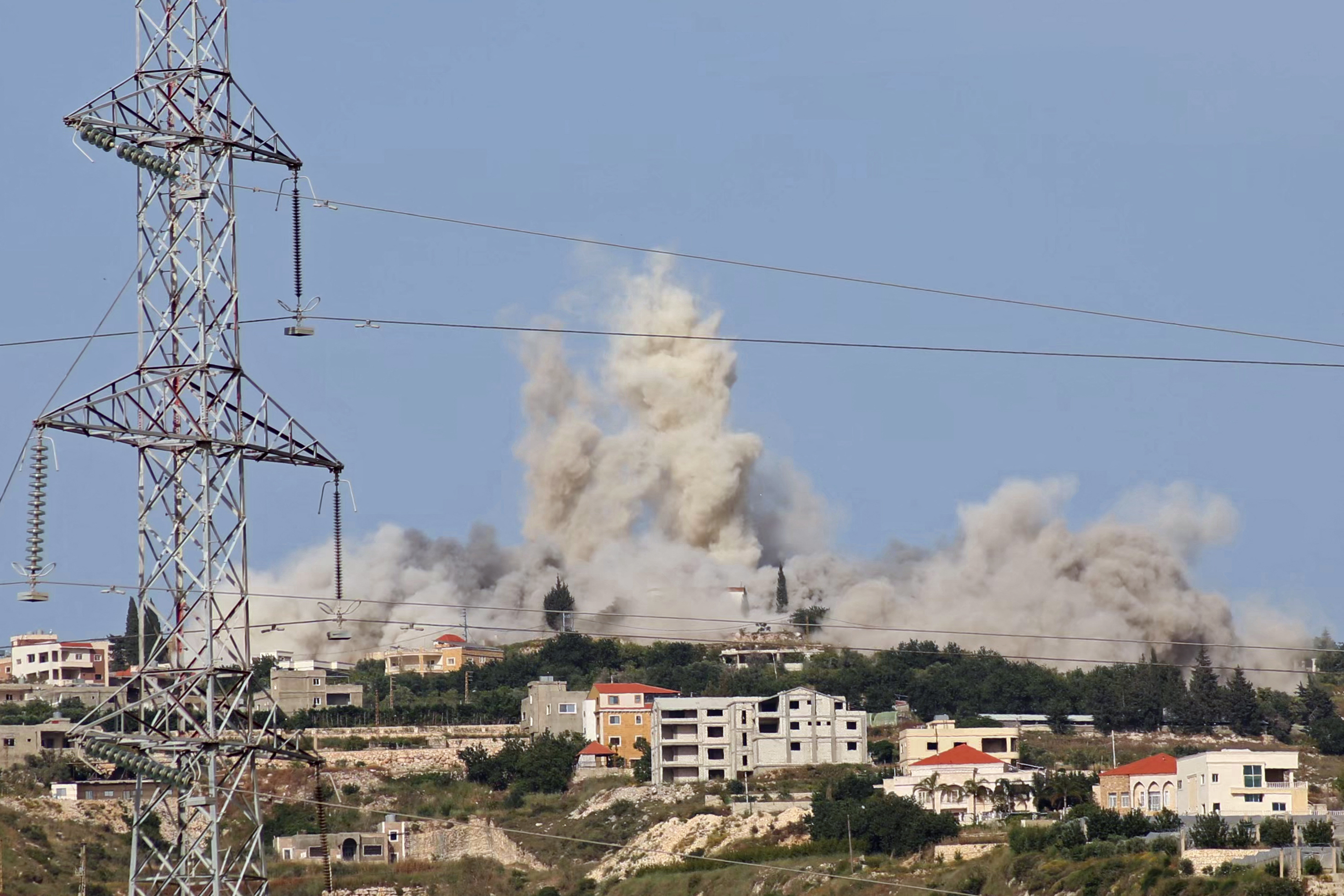
Hezbollah said its fighters targeted Israeli military positions, armored vehicles, and command infrastructure in at least six locations across southern Lebanon – the areas of Dbein, Yahmar al-Shaqif, Kantara, Adaisseh, Kausaha, and near the historic Shaqif Fortress. Beyond the border, the group claimed strikes on military infrastructure in Kiryat Shmona, Tiberias, Ma’alot-Tarshiha, and Shlomer in northern Israel, using missiles, artillery, and drones. Merkava tanks, armored vehicles, and Israeli military communications equipment were among the targets listed, the movement’s military wing said.
The operations were framed as a direct response to what Hezbollah described as Israeli violations of the ceasefire and attacks on Lebanese civilians. Israel, for its part, had ordered strikes on Hezbollah targets in Beirut’s southern suburbs earlier Monday – a move that set off hours of back-channel pressure from Washington, a phone call between Trump and Prime Minister Benjamin Netanyahu, and the declaration that a new halt was in place.
The mechanics of how Trump reached Hezbollah were unusual enough to draw notice on their own. He wrote on Truth Social that he had spoken with “highly placed representatives” of the group – a Lebanese Shia armed organization the United States designates as a terrorist entity – and that they had agreed all shooting would stop. Netanyahu told his military to continue operations in southern Lebanon “as planned,” even as his office confirmed Israel had agreed to hold off on Beirut. Defense Minister Israel Katz denied there was a ceasefire in Lebanon at all.
The Lebanese Embassy in Washington confirmed Monday evening that Hezbollah had accepted the US proposal: Israeli strikes on Beirut’s southern suburbs would cease, and Hezbollah would refrain from attacks against Israel, with the arrangement intended to expand to all Lebanese territory. Al Jazeera reported that Trump declared on social media he had spoken with both Netanyahu and Hezbollah representatives, and that all sides had agreed to stop shooting.
Whether that arrangement covers the Shaqif Fortress area, or the villages of Yahmar al-Shaqif and Kantara that Hezbollah named in Monday’s operational report, is the kind of question that has no agreed answer – and probably won’t until someone decides to stop testing it.
Israel seized the medieval Beaufort Castle and the commanding ridge above Arnoun in southern Lebanon last weekend, hoisting a flag visible from across the valley. A sharp Israeli escalation in mid-May had already killed at least 39 people in a single day in southern Lebanon, deepening pressure on a ceasefire that both sides have treated as a framework for continued operations rather than a genuine halt.
Hezbollah’s opposition to the Washington talks has been consistent and public. Secretary-General Naim Qassem has called the direct negotiations a “free concession” to Israel and the United States. The group was not a signatory to the April 16 ceasefire, reached between Israeli and Lebanese government delegations. It has continued to characterize its operations as responses to Israeli violations rather than violations in their own right.
Iran’s Foreign Ministry weighed in Monday, stating that Israel’s violations of the ceasefire in Lebanon constitute a breach of the broader truce between Washington and Tehran – a position that carries significance given ongoing US-Iran nuclear negotiations. Tehran has framed the Lebanon front as inseparable from the wider regional settlement it is negotiating. Israel and the United States have consistently maintained they are separate tracks, as CNN reported.
The next round of direct Lebanese-Israeli negotiations, mediated by the United States, is scheduled for June 2 and 3 in Washington at the ambassadorial level. Lebanese Presidential Special Envoy Simon Karam and Israeli Deputy National Security Adviser Yossi Draznin have led prior sessions. Lebanon’s position has centered on enforcing the existing ceasefire before any broader agreement is negotiated. Israel has pushed for Hezbollah’s disarmament and linked that to the possibility of normalisation. Speaker Nabih Berri had guaranteed Hezbollah’s compliance with any mutual halt ahead of the session – a guarantee the 41-operation tally renders complicated.
Staff Sgt. Adam Tzarfati, 20, was killed in a Hezbollah drone attack in southern Lebanon on Monday, the Israeli military said. Three others were wounded in the same strike near Beaufort Castle. His death came on a day when the IDF also announced it had withdrawn one division – the 146th – from the south, reducing its footprint from five divisions to two. The drawdown was presented as a sign of operational progress. Hezbollah presented the day’s 41 operations as a sign of the same.
What the envoys meeting in Washington will make of both claims – and whether Netanyahu’s insistence that southern operations continue “as planned” can be reconciled with Trump’s declared halt – is the only question that matters as the talks begin. Nobody has answered it yet.
—Inputs from Sputnik.