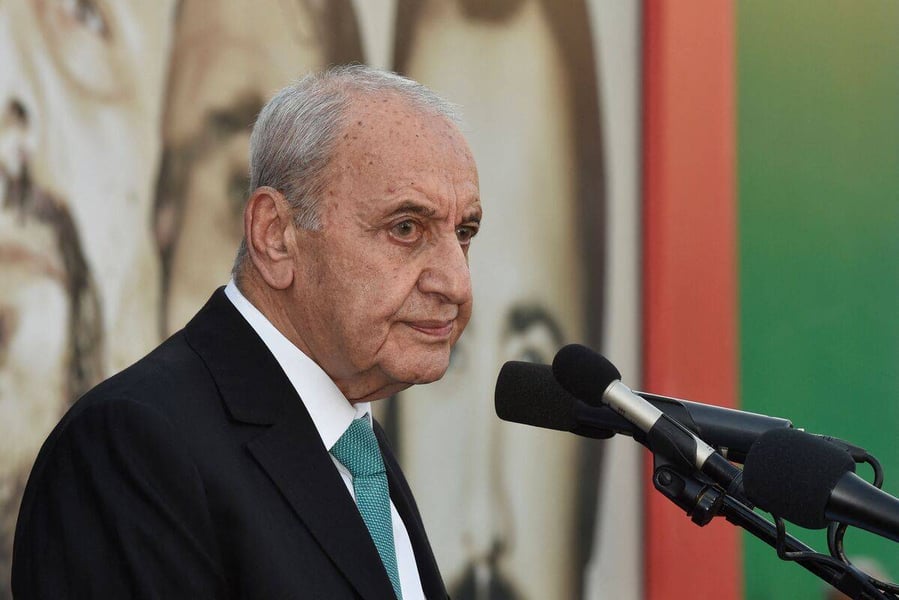

BEIRUT — The man who holds the lever to Hezbollah’s ceasefire posture made his position plain on Sunday: he can deliver. But he will not go first.
Lebanese Parliament Speaker Nabih Berri, the Amal Party leader who serves as the movement’s primary interlocutor with Beirut’s political class, told NBN television that Hezbollah would observe the ceasefire in full the moment Israel halted its military operations in Lebanon. “I guarantee the full, comprehensive and immediate compliance with the ceasefire,” Berri said, before adding the clause that has become the defining impasse of the conflict: “but the question is who will compel Israel to stop its aggression.”
The remarks, delivered on the eve of a new round of direct ambassadorial talks between Lebanon and Israel scheduled in Washington on June 2 and 3, did not go unnoticed in Washington. A senior US official told Axios that President Joseph Aoun had been supportive of a proposed de-escalation framework and had asked Berri to press Hezbollah to halt its attacks. The official described Berri’s response as “evasive and disappointing” — a characterization that signals deep frustration within the Trump administration as it attempts to lock in a more durable ceasefire before the Washington round opens.
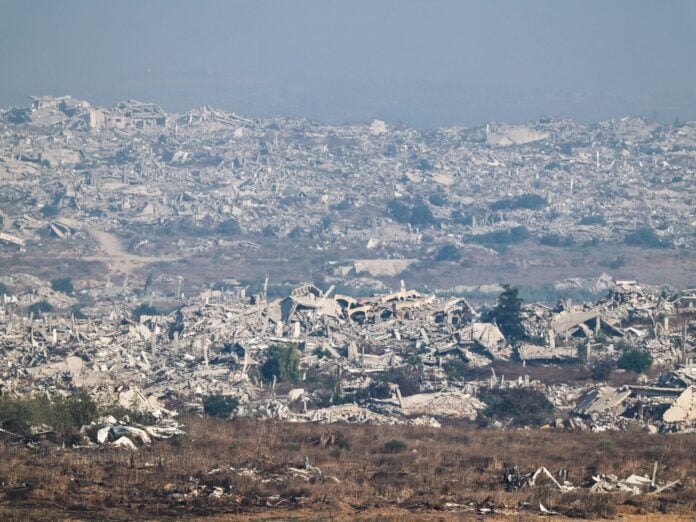
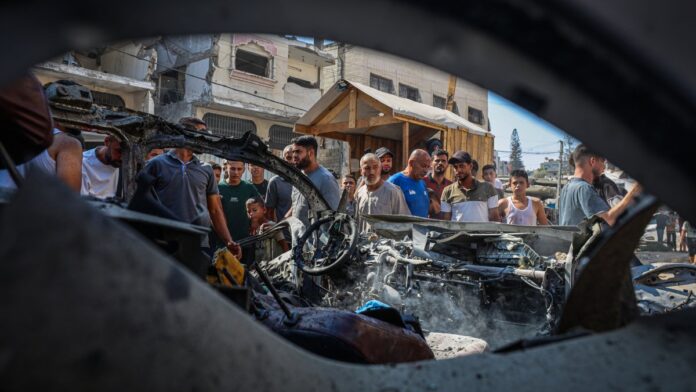
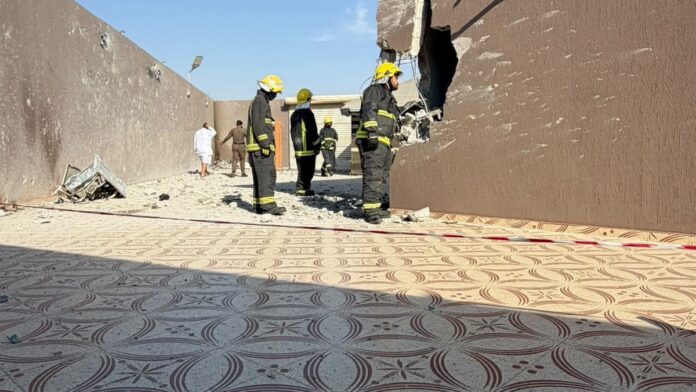
The tension between those two assessments — Berri’s self-described guarantee and the American characterization of evasion — is not a semantic dispute. It is the structural problem that has made every ceasefire since April 16 unravel within days of announcement. Both Israel and Hezbollah have continued military operations throughout what was supposed to be a truce period, each citing the other’s violations as justification. The Lebanese death toll has climbed past 3,100. Israel’s military has maintained fire control over dozens of border settlements in southern Lebanon, issuing evacuation orders for civilians while conducting what it describes as targeted operations against Hezbollah infrastructure.
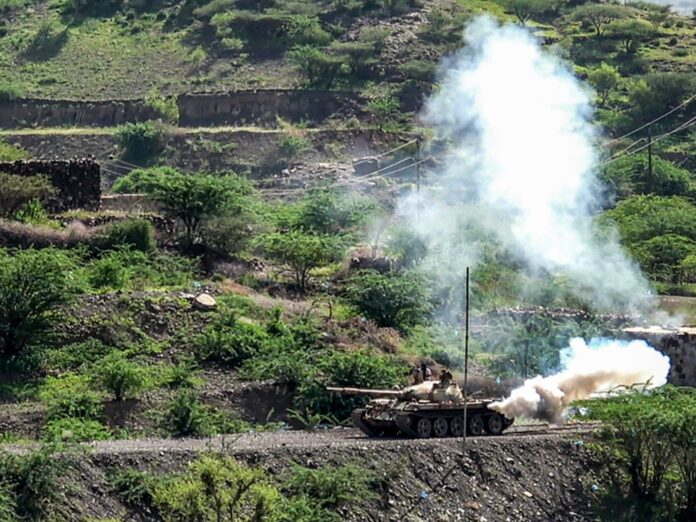
The first direct ambassadorial talks between the two countries took place in Washington on April 16, the same day the ceasefire formally took effect. In the weeks since, Prime Minister Benjamin Netanyahu has ordered troops further into Lebanon, framing the continued operations as necessary to prevent Hezbollah from reconstituting its positions south of the Litani River — a condition central to both UN Security Council Resolution 1701 and Israel’s stated requirements for any lasting arrangement. Hezbollah has continued rocket and drone operations against Israeli army positions in response.
What makes Berri’s Sunday statement different is not its content — he has made variations of this argument since the ceasefire collapsed in practice — but its timing. It comes as the United States has moved to increase economic and political pressure on Hezbollah and its Lebanese allies through fresh sanctions, and as analysts have called for the Trump administration to directly condition aid on the Lebanese Armed Forces taking tangible steps against Hezbollah’s armed presence in the south. Berri has long been identified as a potential spoiler — someone capable of using his parliamentary role to delay real enforcement while maintaining plausible distance from Hezbollah’s military decisions.
The US proposal heading into this week’s talks, according to Pakistan Today, involves a phased de-escalation framework in which Hezbollah would halt missile and drone attacks against Israel in exchange for Israel avoiding escalation in Beirut. The broad outlines are familiar. What remains unresolved is who moves first — and that is precisely what Berri declined to settle on Sunday.
“The Lebanese delegation sensed U.S. understanding of Lebanon’s demands and concerns,” Lebanon’s MTV channel reported following a prior round of talks, suggesting that the American mediating posture has been more sympathetic to Beirut’s preconditions than Israeli officials would prefer. But Al-Jadeed television, citing sources familiar with the Washington process, reported that the ceasefire is expected to be “extended, not consolidated” at this week’s meetings — meaning Israeli violations are likely to continue even if a formal agreement is reached.
The June 2-3 round is only the second direct ambassadorial meeting between the two sides since peace talks were announced on April 10, in the aftermath of Israel’s large-scale strikes on Lebanese territory. Israel has since pushed past positions in southern Lebanon that were previously considered implicit red lines, most recently crossing what observers described as a yellow line in late May, killing 31 people in a single day. Lebanon’s President Aoun has framed his delegation’s position around a fixed set of conditions: an Israeli withdrawal, a comprehensive ceasefire, army deployment along the border, the return of displaced residents, and economic reconstruction assistance.
Whether Berri’s “guarantee” will translate into anything concrete in Washington depends on a question that the speaker himself has declined to answer: what it would take to compel Israel to stop firing first. Senior Israeli officials have separately appealed to Washington for permission to expand operations in Beirut, the Jerusalem Post reported on Sunday. If the Trump administration grants that latitude, the June 2-3 talks will open with Berri’s precondition already negated before the first session begins.
What Washington does in the hours before those talks convene may determine whether Berri’s guarantee gets a chance to mean anything at all. A draft US-Iran memorandum circulating in May contained a clause specifically addressing the Lebanon-Hezbollah dimension of the conflict, suggesting the broader diplomatic architecture has already tied Lebanon’s ceasefire to the regional settlement — a linkage that gives Berri leverage, but also gives Israel a reason to keep pressing until that wider framework is fully resolved.
That resolution, as of Sunday night, remained nowhere in sight.