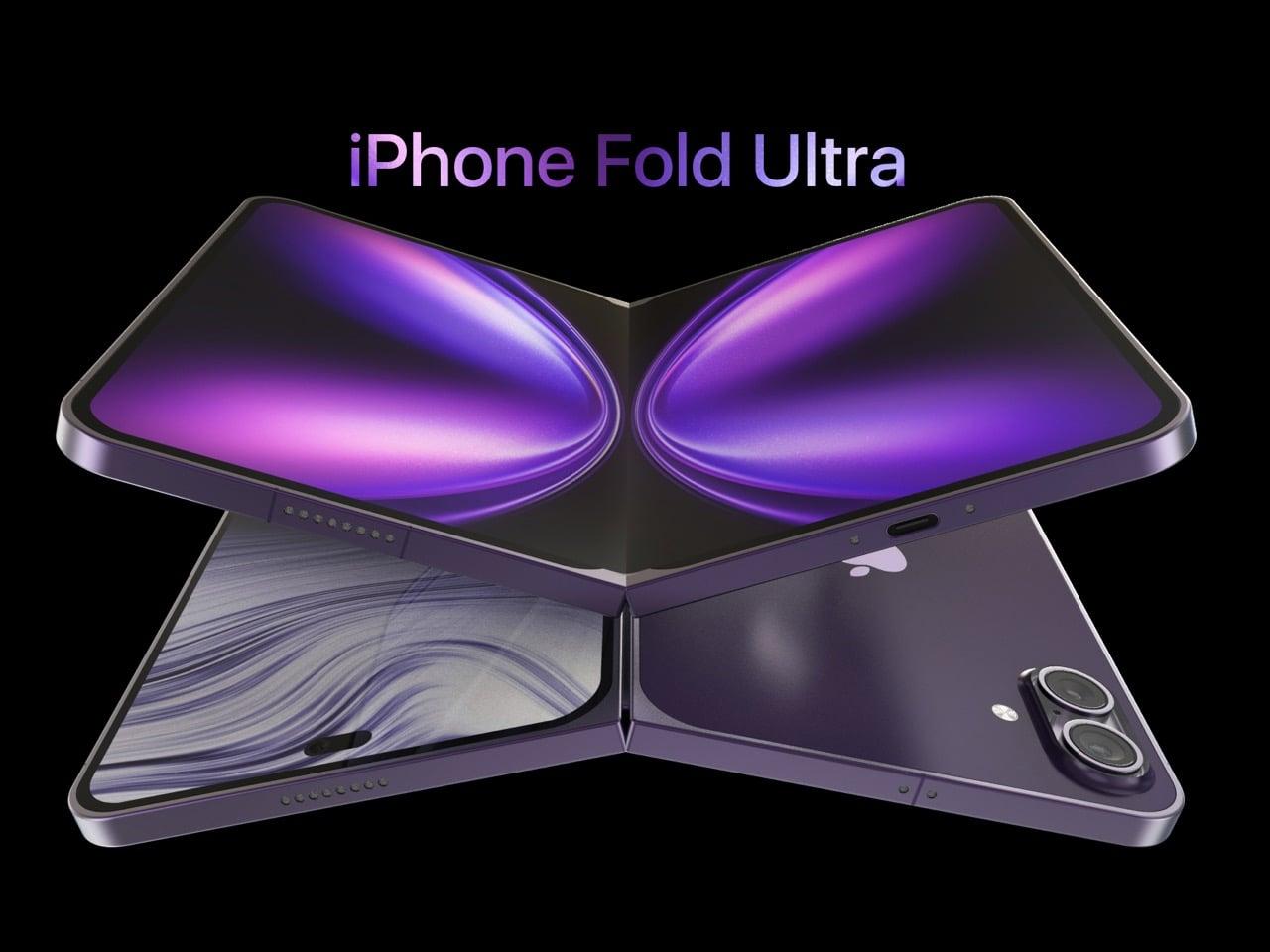

Apple’s foldable iPhone project is reportedly facing its biggest setback yet, with multiple leaks suggesting the long-rumored “iPhone Ultra” could slip into 2027 because of unresolved hinge durability issues. At the same time, insiders claim Apple has finally achieved something the foldable industry has chased for years: a nearly invisible screen crease.
According to latest supply chain leaks, the conflicting reports have created a strange situation around Apple’s next major hardware gamble. On one side, sources suggest Apple’s engineers are struggling to make the foldable hinge survive repeated long-term use without mechanical degradation. On the other, the company may have already solved one of the most frustrating flaws in modern foldables by creating what insiders describe as a “visually creaseless” OLED display.
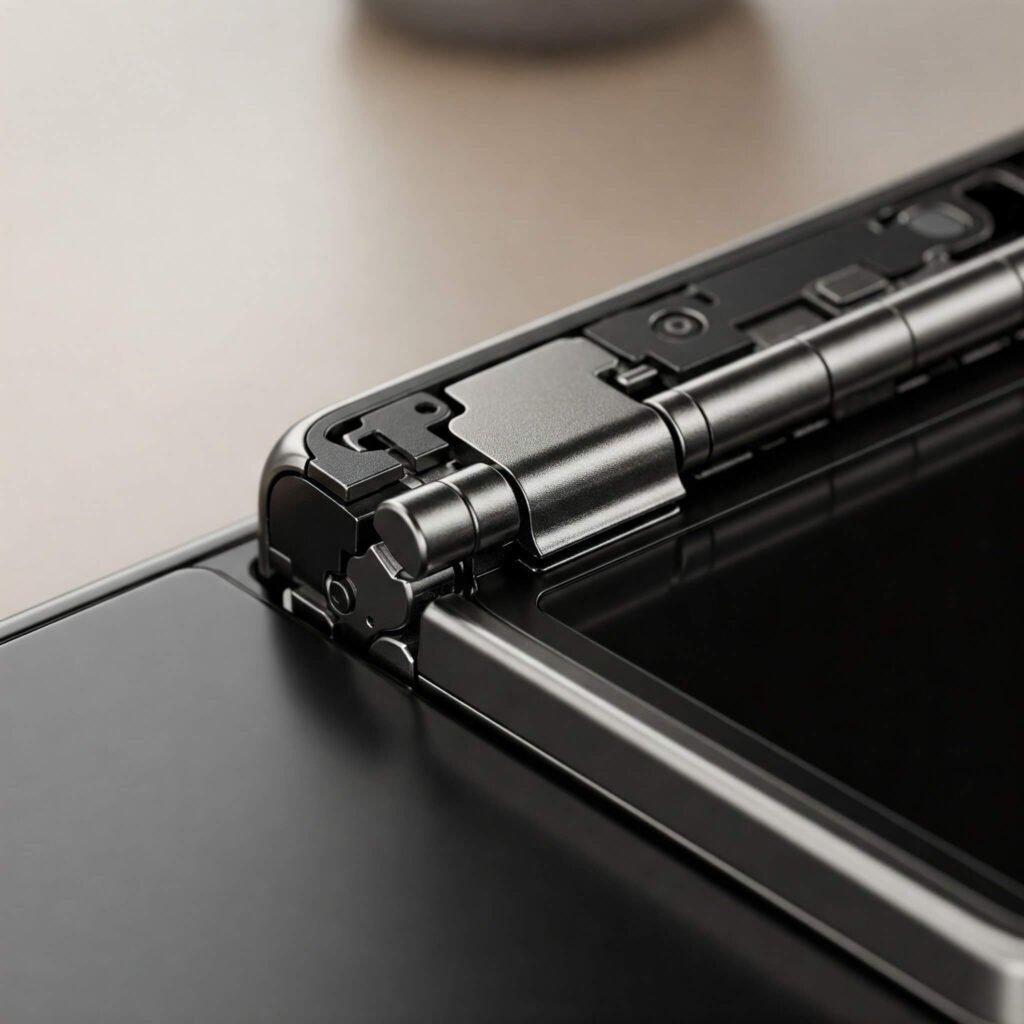
According to recent reports circulating through Chinese social media and picked up by multiple tech publications, Apple’s hinge mechanism is failing internal quality-control testing after extended folding cycles. The issue reportedly centers around long-term wear and reliability rather than day-one functionality, an area Apple is believed to be treating with extreme caution.
Apple’s delay may frustrate fans, but it also highlights the company’s obsession with polish and reliability. Foldables remain one of the most technically difficult consumer electronics categories because the display, hinge, glass, and chassis all experience constant physical stress during normal use.
The hinge is particularly critical because it determines not only durability but also the visibility of the display crease. Apple reportedly believes the two problems are deeply connected. Solving the crease issue without compromising structural integrity has become the company’s biggest engineering challenge.
Several recent leaks suggest Apple may actually be ahead of rivals in display technology. Reports claim the iPhone Ultra prototype uses advanced materials and redesigned display layering to dramatically reduce visible creasing even after prolonged use. Those display technology advancements could become Apple’s biggest advantage if the device launches successfully.
Visible display folds remain one of the biggest complaints about modern foldables, even on premium devices like Samsung’s Galaxy Z Fold lineup. While competitors have reduced crease visibility over the years, none have eliminated it entirely. Apple reportedly considers that compromise unacceptable for a premium iPhone product.
The foldable iPhone is expected to feature a book-style design with a large internal display measuring roughly 7.8 inches and an external cover screen around 5.5 inches. Multiple leaks also point toward premium materials and liquid metal hinge components designed to improve strength while reducing weight.
However, some reports suggest Apple may make significant compromises to achieve that thinner form factor. One rumor claims the foldable model could abandon Face ID in favor of a side-mounted Touch ID fingerprint scanner because the company cannot fit its advanced facial recognition hardware into the slimmer body.
The expected price is equally eye-catching.
Market analysts believe Apple’s foldable iPhone will start near or above $2,000, making it one of the most expensive mainstream smartphones ever released. That price would position the iPhone Ultra as an ultra-premium experimental device rather than a mass-market flagship.
Still, Apple’s brand power could reshape the entire foldable smartphone market overnight.
Despite years of hype around foldable phones, consumers continue to worry about durability, battery life, repair costs, and long-term reliability. Apple’s entry into the market could legitimize foldables for mainstream buyers in the same way the company transformed categories like smartwatches and wireless earbuds after arriving later than competitors.
The timing matters because the smartphone industry is increasingly desperate for meaningful innovation. Traditional slab-style smartphones have become more iterative with each generation, making foldables one of the few remaining areas capable of generating major excitement and premium pricing.
Recent investor reactions show how important the foldable iPhone has become to Apple’s future growth narrative. Earlier recent production concerns temporarily erased billions from Apple’s market value before reassurances from analysts helped calm concerns.
The leaks have also fueled massive online debate among Apple fans and tech enthusiasts. Reddit discussions surrounding the latest rumors show growing skepticism about whether Apple can truly deliver a crease-free foldable while maintaining durability standards. Some commenters argued that even Samsung continues struggling with visible folds after multiple hardware generations.
Others believe Apple’s delay strategy could ultimately pay off.
That would fit Apple’s Ultra strategy for emerging product categories. The company rarely rushes into new hardware segments first. Instead, Apple typically waits until technologies mature enough to deliver a cleaner and more mainstream-friendly experience.
The foldable iPhone Ultra could redefine smartphones if Apple successfully launches a device with a nearly invisible crease, premium materials, long battery life, and dependable durability. But if hinge reliability problems continue delaying development, rivals may gain even more time to strengthen their own positions in the market.
For now, Apple’s foldable ambitions remain trapped between engineering perfectionism and growing pressure to deliver the company’s first truly new iPhone form factor in years. According to trial production schedule reports and broader industry reports this week, Apple may still be months away from solving the hinge problem completely.