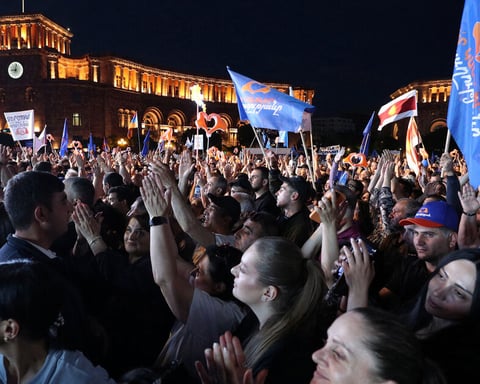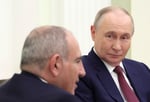
YEREVAN — The man who signed a strategic partnership charter with the United States less than two weeks ago stood before reporters Sunday and said he wanted to fix things with Russia. Carefully, quietly, without a fight.
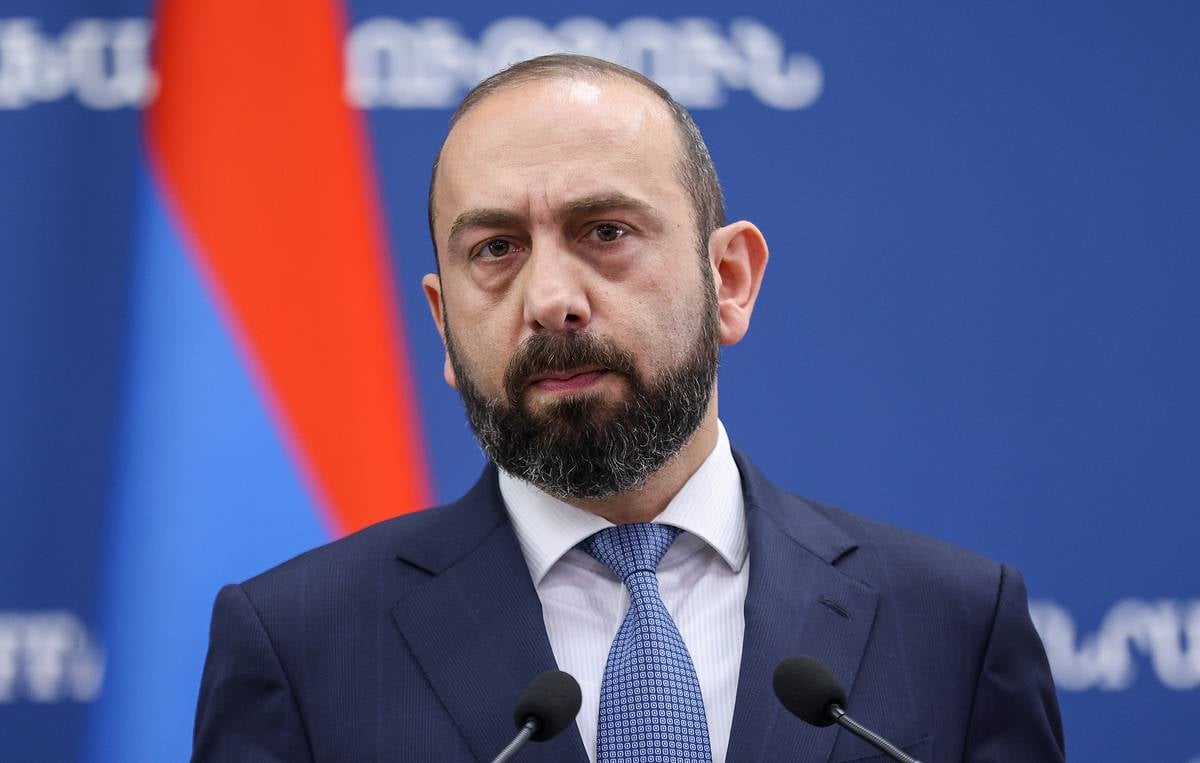
Armenian Foreign Minister Ararat Mirzoyan, speaking on the day Armenians cast ballots in the country’s most consequential parliamentary election in years, said that relations with Moscow needed improvement — and that he expected to pursue that improvement once the votes were counted. “Armenian-Russian relations require a certain improvement,” Mirzoyan told reporters, adding that Yerevan hoped to work with Russian partners “in a healthy, constructive atmosphere, discuss existing problems that arise in any bilateral relations, and find solutions beneficial to both Armenia and Russia.”
The statement landed against a backdrop that made the word “constructive” do considerable work. Russia has no ambassador in Yerevan — its envoy was recalled in December 2024 and the seat has remained empty. Russian state food inspectors introduced new restrictions on Armenian agricultural imports in recent weeks. And Prime Minister Nikol Pashinyan, whose government Mirzoyan serves, faces a direct challenge from pro-Russian opposition parties on a ballot that many analysts describe as a referendum on which direction Armenia actually faces.
Mirzoyan was careful to frame Sunday’s statement as de-escalatory rather than conciliatory. There were no grounds for strained relations, he said. But the parties needed to respect each other’s sovereignty — and each other’s right to make independent decisions. That formulation, sovereignty and independent decision-making, has been Pashinyan’s consistent rhetorical position throughout the election campaign, and the foreign minister’s use of it Sunday suggested no fundamental shift in Yerevan’s posture was on offer.
What Mirzoyan appeared to be doing, carefully, was separating Armenia’s strategic reorientation toward the West from its day-to-day relationship with a neighbor it shares a long border with and deep economic ties to. Yerevan does not want, he suggested, to turn every dispute — agricultural trade restrictions, gas pricing, the empty ambassador’s chair — into a geopolitical confrontation. Bilateral problems arise in any relationship, and Armenia was committed to resolving them without additional inflammation.
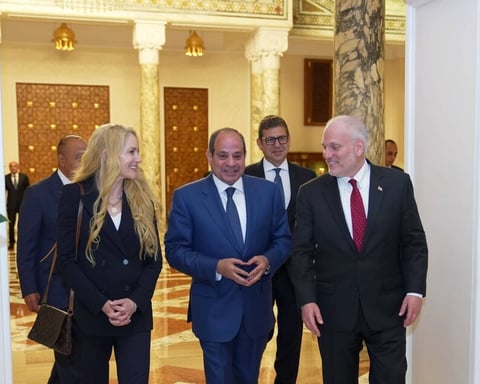
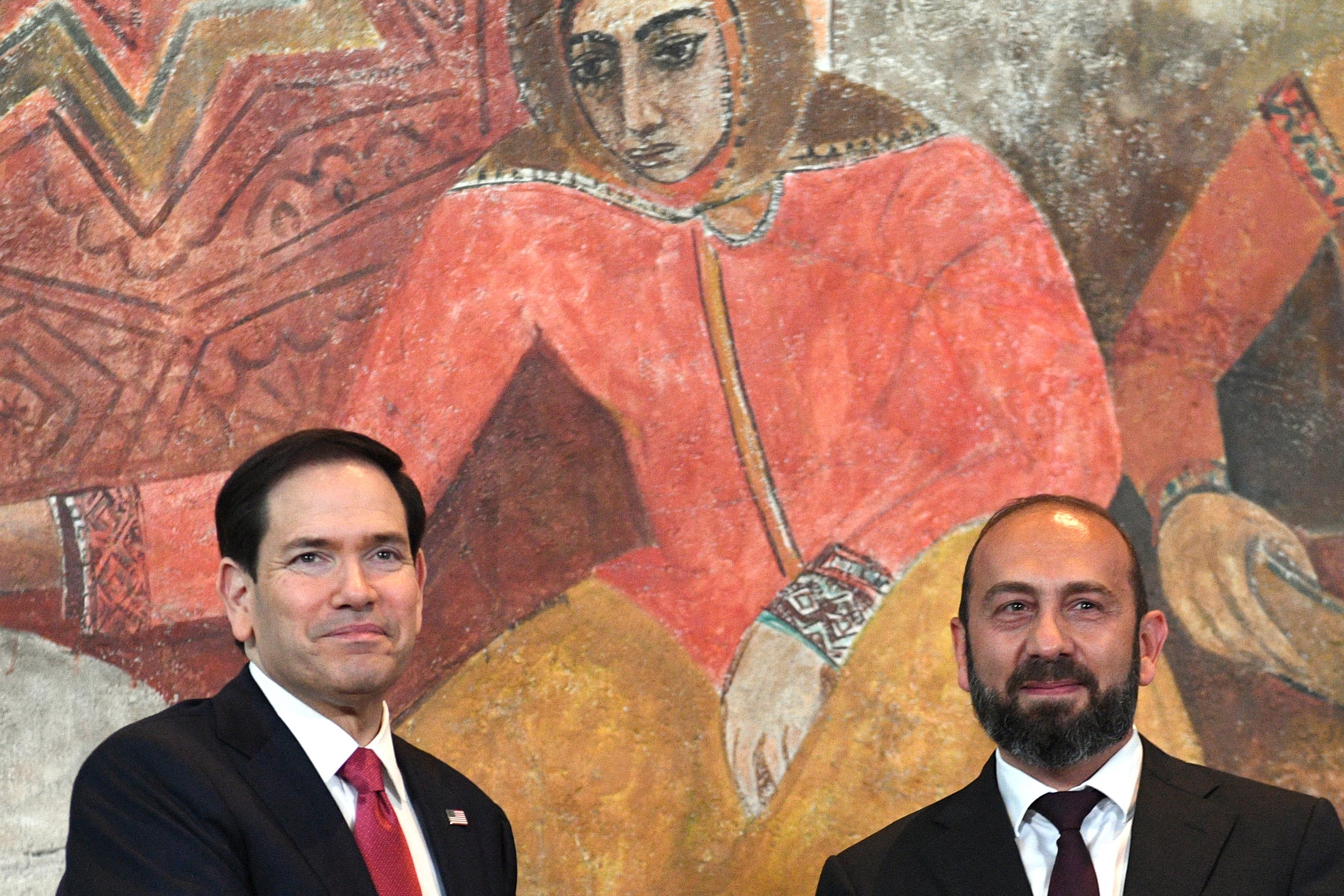
That posture was already visible on May 26, when Mirzoyan and U.S. Secretary of State Marco Rubio signed a strategic partnership charter at Zvartnots International Airport, including a framework agreement on the Trump Route for International Peace and Prosperity — a corridor that would link Turkey to Azerbaijan through southern Armenia. According to Al Jazeera, Reuters reported that the signing came as Russia threatened to raise prices Armenia pays for Russian gas if Yerevan turned away from Moscow-led integration. The optics of those events — Mirzoyan with Rubio at the airport, and now calling for calm dialogue with Russia — captured something essential about Armenia’s foreign policy bind: it is moving toward the West, but it cannot afford to simply walk away from Moscow.
The economic dimension of that bind is not abstract. Russia remains Armenia’s largest single trading partner for natural gas. The Eurasian Economic Union, of which Armenia is still a member even as Pashinyan has publicly declared the country’s European orientation, provides tariff advantages on goods flowing east. Russia’s decision this month to restrict pome fruit imports — apples, pears — touched Armenian farmers directly. These are pressure points that Mirzoyan and the Pashinyan government cannot wave away through diplomatic language about constructive atmospheres.
Whether Sunday’s elections change the calculus remains, as of this writing, unknown. Voting was ongoing when Mirzoyan spoke. The results will determine whether Pashinyan’s Civil Contract party retains its parliamentary majority or whether pro-Russian parties gain enough ground to complicate the government’s Western orientation. What the foreign minister’s statement did signal was that regardless of the outcome, Yerevan was not planning to escalate the confrontation with Moscow — even as it was not planning to reverse its course.
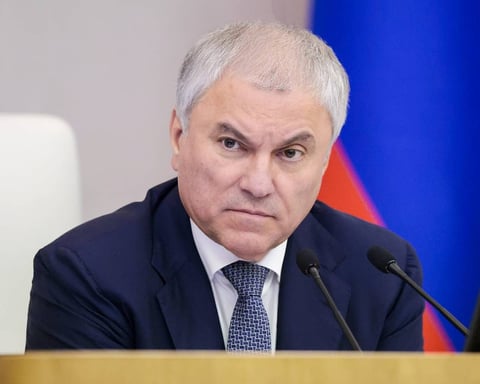
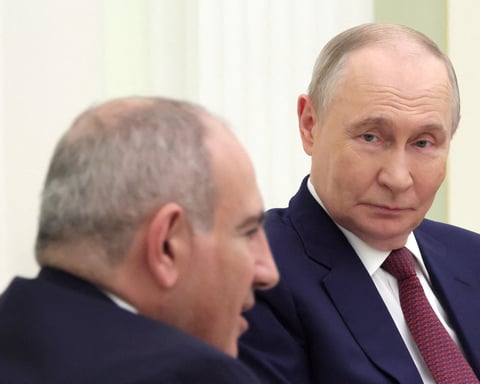
Russia has watched Armenia’s trajectory with open frustration. Moscow recalled its ambassador after Yerevan signed a border delimitation agreement with Azerbaijan that Russian officials said bypassed CSTO mechanisms. State Duma members have characterized Armenia as a lost cause. Kremlin spokesman Dmitry Peskov, commenting on Pashinyan’s European statements, has taken a tone closer to resigned than conciliatory. The question of whether Mirzoyan’s call for dialogue on Sunday finds any traction in Moscow is one that neither the foreign ministry in Yerevan nor the reporters he spoke to could answer.
That gap — the desire for constructive dialogue on one side, and a Kremlin that has expressed little visible interest in receiving it — is the thing Mirzoyan’s careful formulation on Sunday could not resolve. Armenia wants to talk about the problems. Whether Russia currently wants to talk back is a different question entirely.